
Peruvian man named Hitler Mussolini wins local mayoral race in Andean district
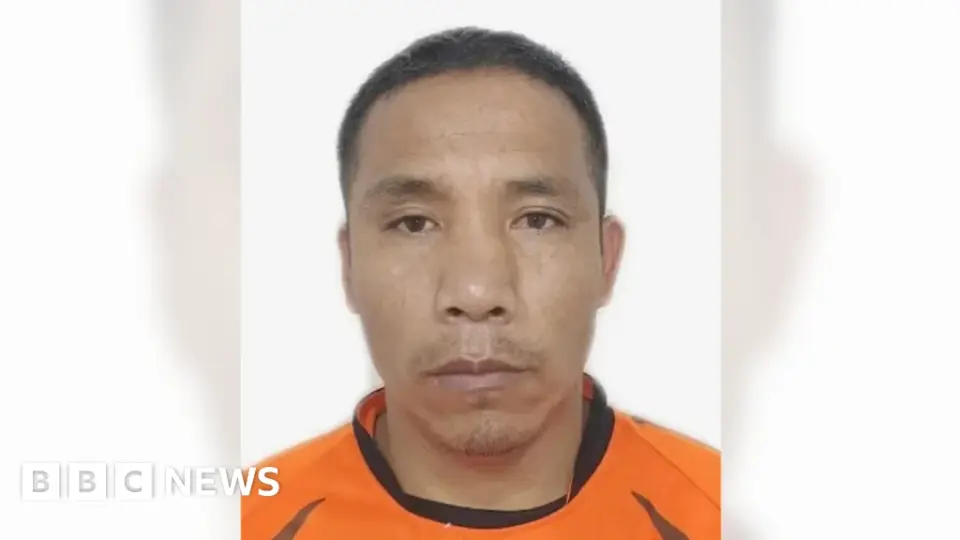
A 45-year-old man named Hitler Mussolini Simeon Flores has been elected mayor of Queropalca, a remote district in Peru's Huánuco department. Running on a center-left ticket for the Ahora Nacion party, he secured 229 votes, or 34.5% of the total, defeating his closest rival by a margin of 25 votes. The election took place in a district with a population of approximately 730 people. While the result is a local administrative matter, the candidate's forenames, which match those of 20th-century fascist dictators Adolf Hitler and Benito Mussolini, have generated significant international media attention. This is not the first instance of a candidate with the name Hitler winning an election in Peru, nor is it the only one globally, as similar cases have occurred in Namibia.
Key points
- Hitler Mussolini Simeon Flores, 45, won the mayoral election in Queropalca with 229 votes, representing 34.5% of the 663 valid ballots cast.
- He defeated Gaspar Benilde Osorio Zambrano of the right-wing Popular Renewal party, who received 204 votes, by a narrow margin of 25 votes.
- The district of Queropalca has an estimated population of just over 730 people, located in the Huánuco department, approximately 360km from Lima.
- Flores previously managed the Simeon Sac Investment Group and was a member of the right-wing Popular Force party before resigning in 2025 to join the center-left Ahora Nacion party.
- The election was part of broader regional and municipal votes held in Peru following the presidential victory of Keiko Sofia Fujimori.
Background
This event follows a pattern of unusual naming conventions in Peruvian politics. In 2018, a candidate named Hitler Guesclin Alba Sanchez won the mayoral race in the district of Yungar, defeating a rival named Lenin Vladimir Rodriguez Valverde. Alba, who served as mayor of Yungar from 2011 to 2014, campaigned under the slogan 'the good Hitler' and stated that his father named him without awareness of the Nazi dictator's legacy. Additionally, a Namibian politician named Adolf Hitler Uunona won his fifth consecutive local election in 2025, though he later dropped the 'Hitler' part of his name due to internet scrutiny. These cases highlight a broader trend in some Latin American and African countries where historical or controversial names are used for children without immediate political implication, though they often attract global attention when those individuals enter public office.
How outlets are covering it
BBC and Euronews focused on the narrow margin of victory and the specific vote counts, emphasizing the small size of the electorate and the remote location of Queropalca. Politico highlighted the candidate's professional background as the manager of the Simeon Sac Investment Group and noted the lack of detail in his candidate application regarding his name. The New York Post emphasized the candidate's recent party switch from the right-wing Popular Force to the center-left Ahora Nacion, framing the event as a shift in political alignment. All outlets agreed on the factual outcome of the election but differed in their contextual framing, with some focusing on the historical precedent of other 'Hitler' candidates in Peru and Namibia, while others focused on the current political landscape in Peru following the Fujimori presidential victory.
Why it matters
The election of a candidate with such a controversial name, even in a small district, underscores the complex relationship between personal identity, political branding, and public perception in Latin American politics. It also highlights how local events can gain global attention due to cultural and historical associations, regardless of the actual political significance of the office held. The case serves as a reminder of the diversity of naming conventions in different cultures and the potential for unintended consequences when those names intersect with global historical memory.
What to watch
Flores will assume office as mayor of Queropalca, where he will be responsible for local governance and administration. His political career may continue to attract international attention, particularly if he runs for higher office in the future. The election results will also be part of the broader analysis of Peru's local political landscape following the recent presidential election. There is no immediate indication of any legal or political challenges to his candidacy, given the narrow but clear margin of victory.
- Man named Hitler Mussolini elected mayor in Peru BBC
- Hitler Mussolini wins local election POLITICO.eu
- Left-wing candidate Hitler Mussolini wins local vote in Peru Euronews.com
- Left-wing politician Hitler Mussolini becomes mayor of Peruvian small town New York Post
- Man Named Hitler Mussolini Wins Local Election in Peru Despite Controversial Name Yahoo
Want the full story? Read the original reporting
Read on BBC