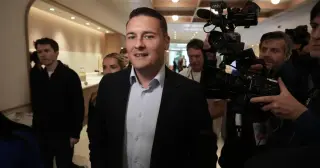
Wes Streeting resigns as health secretary and announces he will stand to replace Keir Starmer as Labour leader and prime minister after Labour suffered poor local election results, signaling a likely leadership contest even as Starmer vows to stay on.
Labour faces internal turmoil after local-election losses and resignations spark calls for Sir Keir Starmer to quit; potential challengers include Angela Rayner, Wes Streeting and Andy Burnham, while Starmer insists he will govern. A leadership contest would require 81 MPs backing a candidate, and more than 150 MPs have signalled support for him or said it’s not the time.
Starmer defends his leadership after Labour's local-election drubbing and multiple cabinet resignations, saying he will continue governing; with dozens of Labour MPs calling for change, no leadership challenge has been triggered, and the party faces ongoing debate over its direction amid Reform UK gains.
Live updates show Keir Starmer under mounting pressure after Labour’s local-election losses, with at least 80 Labour MPs calling for his departure, resignations from ministers, and discussion of potential successors, while the cabinet insists on unity ahead of the King’s Speech.
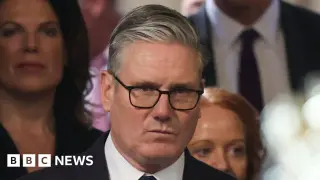
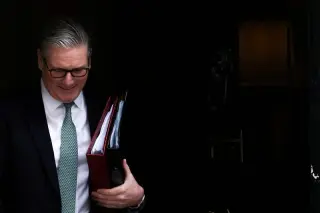
Prime Minister Keir Starmer is facing mounting calls to resign after Labour's devastating local election results, with at least one minister resigning and a wave of disaffected MPs challenging his leadership, while Starmer remains defiant as he fights to hold his tenure.
Prime Minister Keir Starmer faces mounting pressure from within Labour after a disastrous round of local elections, with more than 70 Labour MPs publicly urging him to resign or set a timetable for departure. Starmer argues a leadership change would plunge Britain into chaos, and any challenge would require 81 signatures, making the path to a leadership contest uncertain. Potential rivals, including Angela Rayner and several cabinet ministers, are weighing their options as the next general election remains due by 2029.
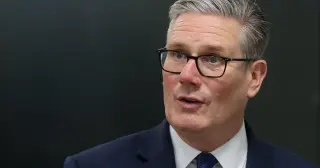
British Prime Minister Keir Starmer faces calls to resign after Labour’s devastating local election losses, even as he pledges to bring Britain closer to the EU.
Starmer says his government is a '10-year project' and vows to lead Labour into the next general election despite a drubbing in local elections and rising calls for his resignation. About 30 Labour MPs have publicly opposed his leadership, with a leadership challenge requiring 81 MPs' support, while ministers like Bridget Phillipson urge a fresh direction. If he serves a full second term, he would be among the longest-serving postwar British leaders.
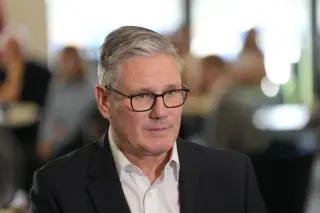
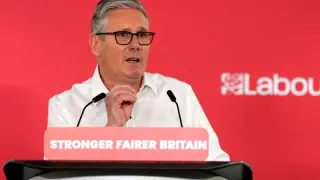
British Prime Minister Keir Starmer faces renewed pressure within the Labour Party after local election losses, as he meets party members and reiterates his agenda, signaling perseverance despite the setback.
Labour endured a bruising set of local election results for Sir Keir Starmer, prompting scrutiny of the party’s appeal as other UK parties—including Reform UK under Nigel Farage and the SNP in Holyrood—made gains, signaling a fragmented political landscape ahead of national contests.
Keir Starmer is under growing pressure to set a departure timetable after Labour's heavy losses in local elections across England and in Wales and Scotland, with Reform UK and Greens gaining ground; while MPs debate his future, top ministers publicly back him and potential successor Andy Burnham is not in Parliament, complicating any leadership challenge; Starmer vowed to fight on, arguing for a broad political movement rather than a simple left-right shift.
Keir Starmer says he will remain prime minister despite Labour suffering heavy local-election losses across the north and Midlands, with calls for his resignation coming from some MPs. Reform UK makes significant gains, including taking Havering in London, underscoring a fragmentation of two-party politics. Labour held some London councils but lost others like Wandsworth and Westminster, while its cabinet remains loyal. Starmer accepts responsibility and plans to set out a renewed policy agenda in forthcoming speeches ahead of the king’s address, aiming to move closer to the EU to win back voters.
Early UK local-election results show Labour losing ground, but Prime Minister Keir Starmer says he will not quit and intends to serve out his five-year term, a stance that coincided with a modest pullback in gilt yields as investors weigh political risk and potential leadership shifts. Full results are still pending, and analysts warn the political drama could continue to influence markets and fiscal policy ambitions.
Reality TV alum Spencer Pratt runs for Los Angeles mayor, comparing his lack of political experience to Barack Obama’s early ascent and promising a localized, issue-focused platform—fixing streets and safety—after his home was destroyed in wildfires; he faces incumbent Karen Bass as the June 2 election nears, with a runoff possible if no candidate wins a majority.
Early local and devolved results show Labour losing hundreds of council seats (about 338 so far, with 277 won) while Reform UK racks up around 501 seats and could become the main opposition in Scotland and Wales, signaling a fracture of the traditional two-party system. Conservatives also shed seats, Greens and Lib Dems gain, and Labour’s losses hit key northern heartlands like Wigan, Hartlepool, and Salford, prompting renewed pressure on Prime Minister Keir Starmer. With most results due Friday evening, the political narrative ahead of the next general election remains unsettled and leadership questions loom, though potential successors such as Andy Burnham or Angela Rayner are not yet positioned to mount bids.