
Peruvian mayor-elect named Hitler Mussolini wins narrow local vote
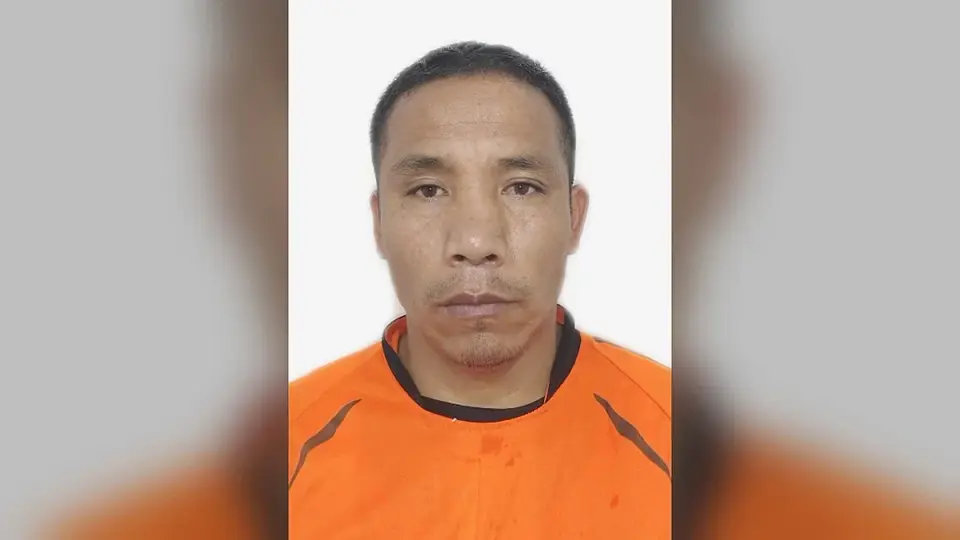
Simeón Flores, legally known as Hitler Mussolini, has been elected mayor of Queropalca, Peru, winning 34.5% of the vote in a tight race. The 45-year-old candidate, who runs an investment group, campaigned on a center-left ticket for the Ahora Nación party. His victory follows a broader trend of unusual names in Peruvian politics, including previous mayoral wins by candidates named Hitler and Lenin. The election took place in a district of approximately 730 residents, with the top three candidates separated by only 42 votes. While the name evokes 20th-century dictators, Flores’s background is unrelated to fascist ideology, and he previously resigned from a right-wing party in 2025. The result highlights the disconnect between controversial names and voter preferences in small Andean communities.
Key points
- Simeón Flores, known as Hitler Mussolini, won the mayoral election in Queropalca with 229 votes (34.5%).
- The race was extremely close, with the top three candidates separated by just 42 votes out of 663 valid ballots.
- Flores ran for the center-left Ahora Nación party, having previously resigned from the right-wing Popular Force party in 2025.
- The district of Queropalca has a population of approximately 730 people, located in the Huánuco department north of Lima.
- Flores manages the Simeon Sac Investment Group and claims a high school education, though his university status is unclear.
- This is not the first time a candidate named Hitler has won in Peru; Hitler Alba won a mayoral race in 2018 against a rival named Lenin.
Background
This local election occurs shortly after Keiko Fujimori’s victory in Peru’s presidential race, signaling a shift in the national political landscape. The result mirrors previous instances in Peru where candidates with controversial names, such as Hitler Alba in 2018, secured office despite the historical connotations of their names. In 2018, Alba defeated a rival named Lennin Vladimir Rodriguez Valverde, a contest that drew international attention for the symbolic clash of names. Similarly, in Namibia, Adolf Hitler Uunona won his fifth consecutive local election in 2025 before dropping the 'Hitler' portion of his name. These cases illustrate a recurring pattern in certain regions where voters prioritize local issues over the symbolic weight of a candidate’s name, a trend previously noted in small Andean districts like Yungar and Queropalca.
How outlets are covering it
Euronews and the New York Post emphasize the ideological shift, noting that Flores ran on a center-left ticket after resigning from a right-wing populist party in 2025, highlighting a potential realignment in local politics. Politico focuses on the statistical closeness of the race, pointing out that only 42 votes separated the top three candidates, suggesting a highly fragmented electorate. The New York Post also details Flores’s lack of university education and his previous association with the Popular Force party, contrasting his current center-left platform with his past. All sources agree on the factual outcome but differ in emphasis: Euronews and Politico frame the story as a curiosity of naming conventions, while the New York Post frames it as a political transition from right-wing to left-wing affiliation. No source suggests the name influenced the vote negatively, as voters in these small districts appear indifferent to the historical connotations.
Why it matters
The election underscores the resilience of local political dynamics in Peru, where voters in small Andean districts often prioritize pragmatic local leadership over national ideological trends or symbolic names. The narrow margin of victory indicates a highly competitive and divided electorate, reflecting broader uncertainties in Peruvian local governance. Furthermore, the case highlights the disconnect between global historical associations and local naming practices, demonstrating that in many communities, names like Hitler or Mussolini carry no political stigma, serving merely as identifiers. This trend may influence future local elections in similar regions, where candidate names are unlikely to deter voters regardless of their historical connotations.
What to watch
Flores will assume office as mayor of Queropalca, tasked with managing local services for a population of approximately 730. His administration will likely focus on local infrastructure and economic development, given his background in the Simeon Sac Investment Group. The outcome may influence future local elections in the Huánuco department, potentially encouraging other candidates with unconventional names to run. Additionally, the result may draw further international attention to Peruvian naming practices, though it is unlikely to impact national politics. The next local elections in Peru will likely see continued competition in small districts, where voter turnout and local issues remain the primary drivers of electoral outcomes.
- Left-wing candidate Hitler Mussolini wins local vote in Peru Euronews.com
- Hitler Mussolini wins local election POLITICO.eu
- Left-wing politician Hitler Mussolini becomes mayor of Peruvian small town New York Post
- A politician with an unusual name won in Peru Прямий
- Hitler Mussolini wins mayoral election in Peru - and he isn't the country's first politician named Hitler Hromadske
Want the full story? Read the original reporting
Read on Euronews.com