
PR Operative Phil Elwood Confesses to Lobbying for Gadhafi and Assad Regimes
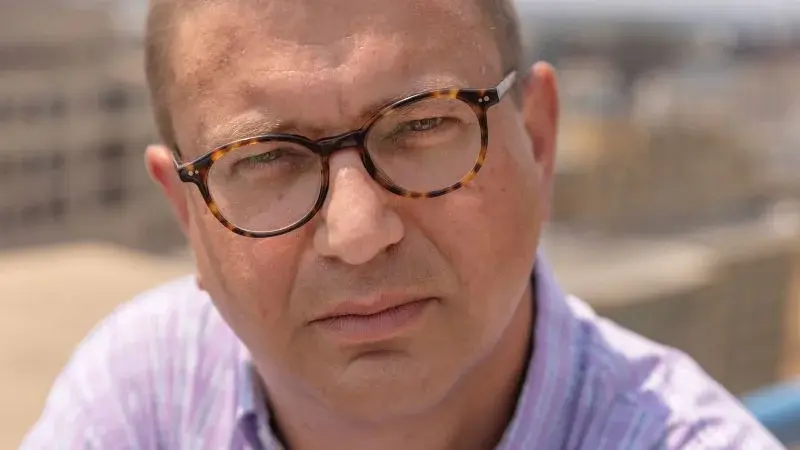
Phil Elwood, a former political PR operative, admits to representing authoritarian regimes including Libya’s Gadhafi and Syria’s Assad families. He claims his work helped sanitize their reputations in Washington, D.C., despite their involvement in terrorism and mass killings. Elwood, now 47, states he has changed and now works for the family of missing Marine Austin Tice, though he admits he would make the same career choices again. His story resurfaces amid recent legal actions against Assad and ongoing scrutiny of his past ties to controversial foreign entities.
Key points
- Elwood served as a foreign agent for the Gadhafi and Assad regimes, managing their public image in the U.S. while they faced international condemnation for violence and terrorism.
- He assisted in suppressing outrage over the release of the Lockerbie bomber and secured a flattering Vogue profile for Asma al-Assad just before the Syrian civil war began.
- Elwood helped Qatar win the 2022 World Cup bid by fabricating a congressional resolution against U.S. hosting, a move he later linked to migrant worker deaths and human rights abuses.
- The FBI contacted him in 2018 regarding his association with the Israeli firm Psy-Group, which was under investigation for Russian interference in the 2016 election.
- Elwood claims to have undergone rehabilitation and now works for the family of Austin Tice, the U.S. Marine kidnapped by the Assad regime, though he admits he would repeat his past actions.
Background
This profile emerges as Syria’s new government sentences former president Bashar al-Assad to death in absentia for war crimes, marking a significant shift in the region’s legal landscape. Assad fled to Russia in 2024 after his regime collapsed, and Moscow has not signaled intent to extradite him. Elwood’s history contrasts with current diplomatic efforts, such as the recent agreement between Syria and Russia to end Moscow’s military footprint on the Mediterranean coast, signaling a reorganization of regional power dynamics. His narrative also highlights the long-term consequences of his PR work, including the human rights issues surrounding the 2022 World Cup in Qatar, which he helped secure.
Why it matters
Elwood’s career illustrates the opaque mechanisms through which authoritarian regimes cultivate soft power in Western democracies, often at the expense of transparency and ethical standards. His admission that he would repeat his actions raises questions about the motivations behind such lobbying and the potential for similar tactics to influence current political landscapes. As global attention turns to accountability for past atrocities, Elwood’s story serves as a cautionary tale about the risks of prioritizing professional ambition over moral responsibility in international relations.
What to watch
Elwood continues to work for the family of Austin Tice, aiming to support the search for the missing Marine. He maintains that he has adhered to new personal rules against working for dictators or against democracy. However, his admission that he would make the same choices again suggests ongoing skepticism about the depth of his transformation. The broader implications of his past actions remain relevant as international legal proceedings against former leaders like Assad continue, and as scrutiny of foreign influence in U.S. politics persists.
Want the full story? Read the original reporting
Read on CNN