
Congo Residents Sue Chinese Cobalt Mine Over Health Crises Linked to EV Supply Chain
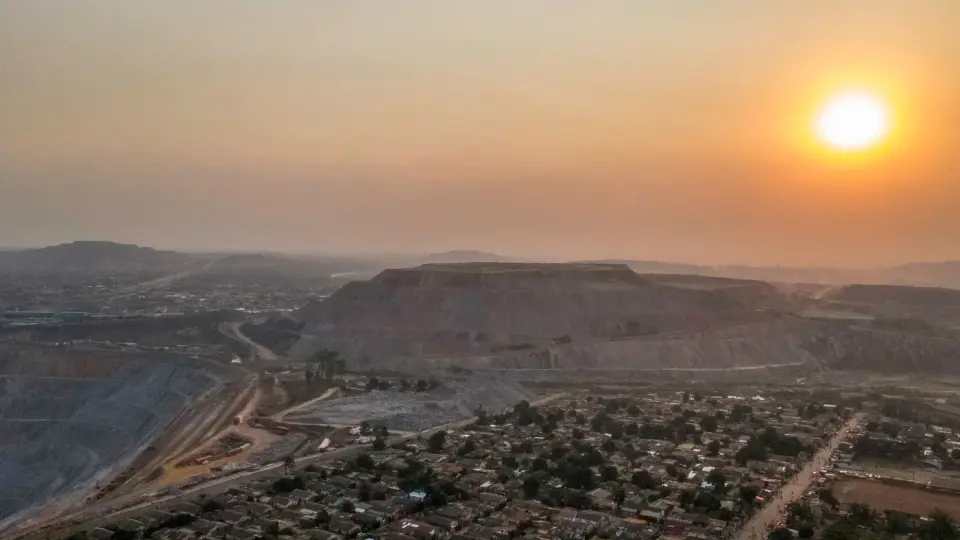
Twenty-seven residents of Kolwezi, DRC, have filed a lawsuit against Chinese-owned mine operator Zijin and the Congolese government, alleging that pollution from the COMMUS copper and cobalt mine has caused severe health issues, including child deaths and birth defects. The suit seeks $6.3 million in damages and environmental restoration, highlighting the human cost of the minerals essential for electric vehicle batteries.
Key points
- Plaintiffs allege that pollution from the COMMUS mine, owned by Chinese multinational Zijin, has caused contaminated water, skin rashes, miscarriages, and birth defects in nearby neighborhoods.
- The lawsuit, filed on Nov. 3, seeks $1.3 million in compensation for health impacts and $5 million for environmental restoration, marking a rare legal challenge against industrial mining pollution in the DRC.
- A June study by Source International found that air quality near the mine exceeded World Health Organization guidelines by three to six times, with dust samples containing copper, cobalt, and manganese residues.
- Local health workers report high rates of miscarriages and congenital malformations, such as cleft palates, in the area surrounding the mine, though Zijin and government ministries did not respond to comment requests.
- The case is viewed by advocacy groups as a potential test case that could empower other communities to hold mining companies accountable for environmental damage in the region.
Background
This litigation occurs amid growing scrutiny of the environmental and social impacts of cobalt mining, a critical component for electric vehicle batteries. While global demand for EVs rises, as seen in recent shifts in Vietnam's two-wheeler market and US battery production efforts, the supply chain relies heavily on Congolese cobalt, which accounts for over 70% of global supply. Previous coverage has highlighted US efforts to diversify battery supply chains, but this case underscores the persistent environmental challenges in primary extraction zones.
Why it matters
This lawsuit connects the global push for electric vehicles to the immediate health consequences faced by communities in the DRC. It highlights the tension between the environmental benefits of EVs and the ecological and human costs of extracting their essential minerals, potentially setting a legal precedent for holding multinational mining corporations accountable in the Global South.
What to watch
The case will proceed through the Congolese court system, with plaintiffs fearing potential intimidation from local actors or the company. The outcome could influence future legal strategies for other communities affected by mining pollution in the DRC's copper belt.
Want the full story? Read the original reporting
Read on NPR