
Russia’s 2026 Duma Vote: A Controlled Ritual Amid War and Mobilization Fears
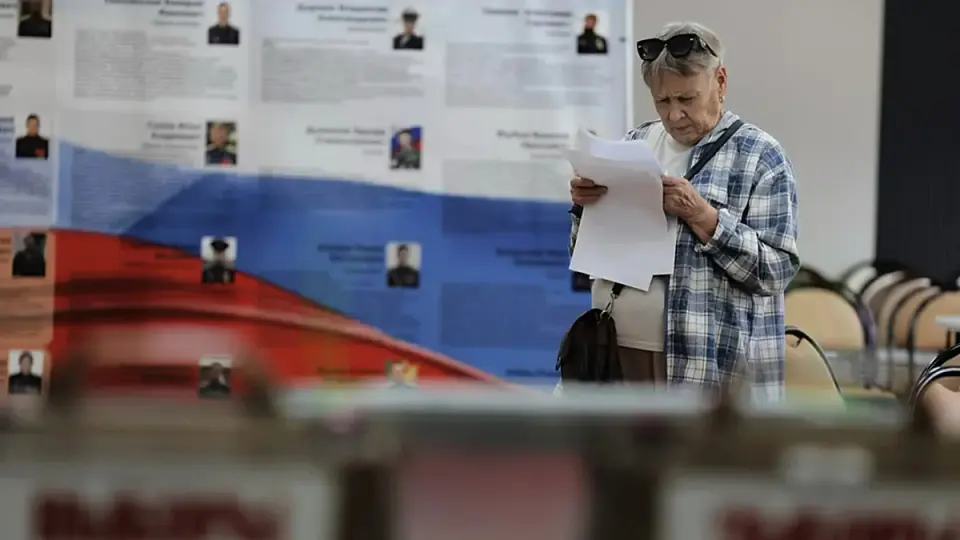
Voters in Russia participated in a three-day parliamentary election from September 18 to 20, 2026, to select 450 State Duma seats and 11 regional governors. The vote is widely viewed as a foregone conclusion for the ruling United Russia party, which is expected to maintain its dominant majority. The election took place without any openly anti-war opposition, as the liberal Yabloko party was barred from the ballot. While the Kremlin framed the vote as a demonstration of national unity and support for troops in Ukraine, public anxiety persists regarding potential military mobilization and the impact of Ukrainian drone strikes on domestic infrastructure.
Key points
- The election ran from September 18 to 20, 2026, filling 450 Duma seats and 11 regional governorships.
- Only pro-Kremlin parties, including United Russia, the Communist Party, and A Just Russia, were permitted to compete.
- The liberal Yabloko party, the only remaining group openly opposing the war in Ukraine, was excluded by a court order in August 2026.
- Approximately 200 candidates with military service in Ukraine were fielded by the Kremlin as part of a recruitment and propaganda strategy.
- Voting took place in Russian-occupied parts of Ukraine, a move unrecognized by Kyiv and Western nations.
- Putin linked the vote to the war, urging citizens to show support for soldiers, while simultaneously denying plans for new mobilization.
Background
This vote follows a period of heightened tension, including Ukrainian drone strikes on Russian oil infrastructure and fuel shortages. It occurs after Putin secured a new presidential term in 2024, extending his rule until at least 2030. Previous elections, such as the 2011 Duma vote, sparked significant protests due to perceived fraud, but the current climate is marked by stricter control and the absence of major opposition figures like Alexei Navalny, who died in 2024.
How outlets are covering it
Euronews and The Guardian characterize the election as a 'sham' and a 'ritual' designed to manufacture legitimacy, noting that the Kremlin deliberately kept the campaign low-key to avoid public scrutiny. Al Jazeera highlights the exclusion of Yabloko as a move to prevent an anti-war platform from gaining traction, while noting that some pro-Kremlin supporters view this as a victory for democracy. Euronews and The Guardian emphasize the fear of mobilization, with The Guardian noting that some young men are leaving the country to avoid a potential draft, a fear Putin has repeatedly denied. Al Jazeera points out that while many Russians support peace talks, a majority still back the military actions, creating a complex public mood. All sources agree that the outcome is predetermined, with United Russia expected to retain its majority, but they differ on the degree of public apathy versus anxiety regarding the war's impact on daily life.
Why it matters
The election reinforces Putin's grip on power and provides the Kremlin with a veneer of democratic legitimacy for its war effort. The exclusion of anti-war voices and the focus on military veterans as candidates signal a deepening integration of the war into domestic politics. The outcome will likely embolden the Kremlin to pursue unpopular measures, such as mobilization, once the vote is concluded, while the lack of genuine opposition limits the political space for dissent within Russia.
What to watch
Results are expected after polls close on Sunday. The Kremlin will likely use the outcome to justify continued support for the war and potentially initiate new mobilization efforts if battlefield conditions require it. International observers will monitor the vote for signs of fraud or coercion, while domestic attention will shift to the impact of Ukrainian drone strikes on Russian infrastructure and the potential for further economic disruption.
- Russians go to polls with no party against Putin or war in Ukraine Euronews.com
- The view from Russia: ‘No party can be antiwar’ in parliamentary election aljazeera.com
- Russians go to polls against backdrop of Ukraine war and Putin’s tightening grip The Guardian
- Russian polls open in vote Putin calls test of Ukraine war Yahoo
- Russians begin 3 days of voting in a parliamentary election set to cement the Kremlin's power AP News
Want the full story? Read the original reporting
Read on Euronews.com