
Russia’s Duma vote: A hollow ritual amid war and economic strain
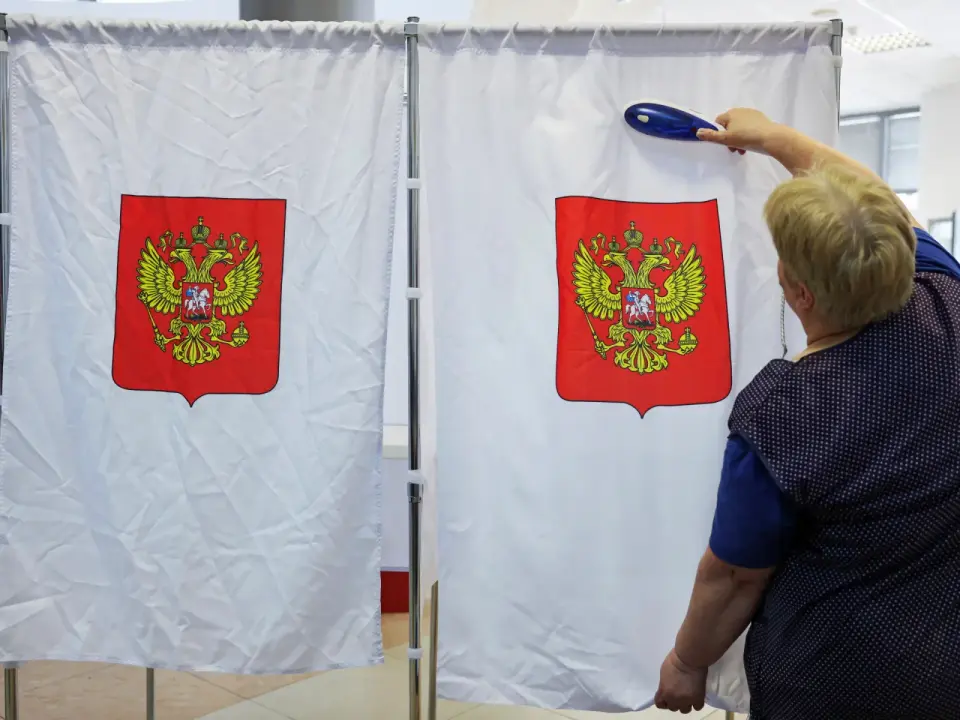
Russia is holding its first parliamentary elections since the 2022 invasion of Ukraine, with the ruling United Russia party expected to retain its dominant majority. The vote, held over three days, occurs amid a slowing economy and Ukrainian drone strikes on Russian infrastructure. The only registered anti-war party, Yabloko, was barred from the ballot, leaving only pro-Kremlin 'systemic opposition' parties to compete. Analysts view the election as a tool for Kremlin legitimacy rather than a genuine contest, with fears of post-vote mobilization driving some citizens to leave the country.
Key points
- Voting for the 450-seat State Duma takes place over three days, including in Russian-occupied parts of Ukraine.
- United Russia, led by figures like Sergey Lavrov and Sergei Sobyanin, is expected to keep its dominant position, having won over two-thirds of seats in 2021.
- The liberal Yabloko party, the only registered group opposing the war, was removed from the ballot by the Supreme Court in August after polling showed rising support.
- Remaining parties, including the Communist and Liberal Democratic parties, are 'systemic opposition' groups that support the war and align with the Kremlin on key issues.
- The election is viewed as a source of legitimacy for President Vladimir Putin, who linked voting to support for the 'special military operation' in Ukraine.
Background
This is the first Duma election since Russia’s full-scale invasion of Ukraine in 2022. Previous elections under Vladimir Putin have been marked by allegations of vote-rigging and the exclusion of genuine opposition. In August 2026, the Supreme Court barred Yabloko from the ballot, and its deputy leader Lev Shlosberg was sentenced to 11 years in prison for discrediting the military. The Kremlin has also used celebrity athletes, such as hockey star Alexander Ovechkin, in campaign videos to bolster support for United Russia.
How outlets are covering it
Al Jazeera emphasizes the lack of genuine opposition and the Kremlin’s anxiety over public sentiment, noting that even Putin’s supporters view United Russia as corrupt. The Guardian highlights the 'lifeless' nature of the campaign, with candidates avoiding the spotlight and the Kremlin deliberately keeping the election low-key to depress turnout among disaffected voters. CNN focuses on the symbolic emptiness of the process, citing empty debate studios and the exclusion of Yabloko, while noting the use of electronic voting incentives. AP News underscores the tight control of the political landscape, with all participating parties backing the Kremlin’s war effort. All sources agree that the result is predetermined, but they differ in emphasis: Al Jazeera and CNN focus on the absence of opposition, while The Guardian and AP News highlight the broader context of war, economic strain, and potential mobilization fears.
Why it matters
The election serves as a key tool for the Kremlin to project domestic stability and legitimacy for its war in Ukraine, despite growing economic hardship and public anxiety. The exclusion of Yabloko and the presence of only pro-war parties signal the Kremlin’s control over the political narrative. The vote may also precede unpopular measures, such as a new mobilization, as the Kremlin seeks to consolidate power before addressing difficult wartime decisions.
What to watch
Results are expected after polls close on Sunday. The Kremlin is expected to use the outcome to reinforce its mandate for the war in Ukraine. Observers will watch for signs of public discontent, particularly if the Communist Party or the New People Party gains significant support, which could indicate anger over economic conditions or anti-war sentiment. There are also rumors of a potential mobilization after the election, which the Kremlin has denied but which has prompted some young men to leave the country.
- Russia’s parliamentary election: Who’s on the ballot, and why it matters Al Jazeera
- Russians go to polls against backdrop of Ukraine war and Putin’s tightening grip The Guardian
- Why Autocrats Care What People Think The New York Times
- Empty podiums, prizes for e-voting, no opposition: Russians head to the polls amid intensifying war in Ukraine CNN
- Here’s what to know about Russia’s parliamentary vote and its main parties AP News
Want the full story? Read the original reporting
Read on Al Jazeera