
Sánchez Calls November 29 Snap Election After Housing Defeat and Rising Political Pressure
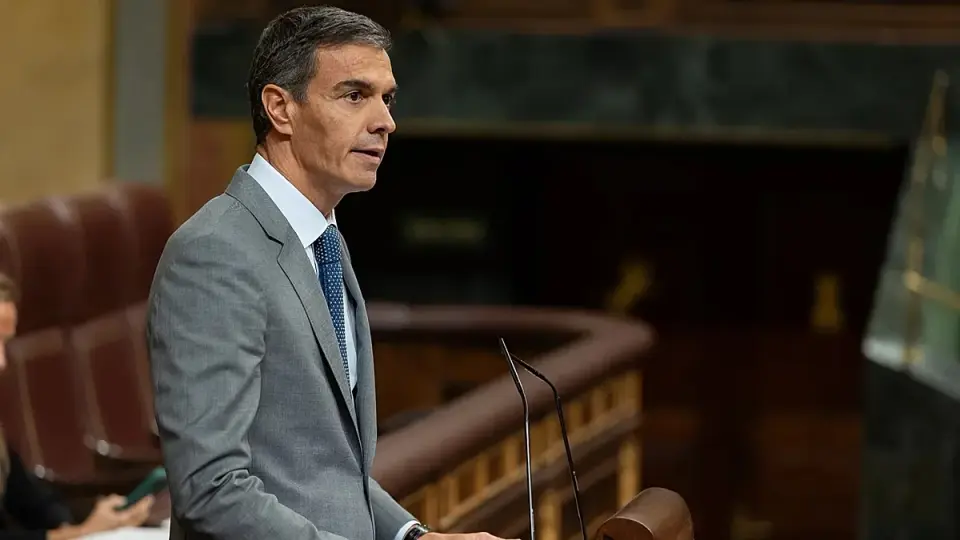
Spanish Prime Minister Pedro Sánchez has called an early general election for November 29, 2026, after the lower house rejected two emergency housing decrees. The decision follows weeks of nationwide protests triggered by the eviction of an 87-year-old woman and intensifying pressure from corruption scandals and a migration crisis in Ceuta. Although polls favor the conservative opposition, Sánchez aims to capitalize on public anger over unaffordable housing to secure a broader progressive majority. The move is viewed as a high-risk gamble that could end one of Europe’s last remaining left-leaning governments if the far-right gains power.
Key points
- Sánchez announced the snap election on Monday, October 5, 2026, after Congress rejected two housing decrees on Friday, October 2.
- The rejected measures included suspending evictions of vulnerable tenants until 2030 and mandating automatic rental contract renewals.
- Sánchez plans to use a rarely used legislative mechanism to force through the rejected decrees via a standing body of 68 members before the chamber dissolves.
- The decision follows a severe migration crisis in Ceuta in late July, where tens of thousands crossed from Morocco, prompting the first 'situation of interest for national security' declaration in Spain's democratic era.
- Polls indicate the conservative People's Party (PP) is likely to win the most seats, potentially forming a coalition with the far-right Vox, which would bring a far-right party into central government for the first time since 1975.
Background
Sánchez has governed for eight years through fragile coalitions, including support from separatist and far-left parties, despite never winning a parliamentary majority. His government has struggled to pass budgets and laws since 2023 due to fragmentation among partners, particularly the Catalan party Junts, which recently stopped voting with the government. Previous coverage highlighted the eviction of 87-year-old Maricarmen Abascal in Madrid as a catalyst for mass protests on October 3, 2026, which preceded the parliamentary rejection of the housing decrees.
How outlets are covering it
Euronews emphasizes the immediate trigger of the housing decree defeat and the broader context of corruption cases and the Ceuta migration crisis as factors pressuring Sánchez’s government. The Detroit News frames the election as a high-stakes gamble, noting that while Sánchez trails in polls, he may capitalize on housing-related anger, and highlights the risk of a far-right coalition. The Washington Post focuses on Sánchez’s role as Europe’s foremost critic of US President Donald Trump, suggesting that a defeat could diminish the influence of a prominent left-wing leader globally. All sources agree on the November 29 date and the rejection of housing measures, but differ in emphasis: Euronews on domestic instability, Detroit News on electoral risk, and Washington Post on international implications.
Why it matters
The outcome of the November 29 election could determine whether Spain maintains its current left-leaning governance or shifts toward a conservative-far-right coalition, potentially altering its stance on immigration, defense spending, and social policies. A Sánchez defeat would also impact European left-wing politics, given his prominent role in opposing US-led defense spending increases and advocating for progressive international positions.
What to watch
Sánchez will attempt to pass the rejected housing decrees via a standing legislative body before the parliament dissolves. The People's Party leader, Alberto Nuñez Feijoo, has pledged to double homebuilding to 200,000 units annually if his party wins. Vox leader Santiago Abascal has warned that the election result is unpredictable despite favorable polling for the right. The campaign will likely focus on housing affordability, immigration policy, and corruption allegations.
- Spain PM Pedro Sánchez calls snap election for 29 November Euronews.com
- Spain Election Live Updates: Sánchez Calls for Nov. 29 Snap Election After Housing Crisis Roils Government The New York Times
- Spain's Sanchez gambles on snap election after housing protests give rare boost The Detroit News
- Spain’s Pedro Sánchez, main critic of Trump in Europe, calls snap elections The Washington Post
- Spanish PM Sanchez calls snap election for November 29 Reuters
Want the full story? Read the original reporting
Read on Euronews.com