
Sanchez Calls November 29 Vote as Housing Protests Force Early Election
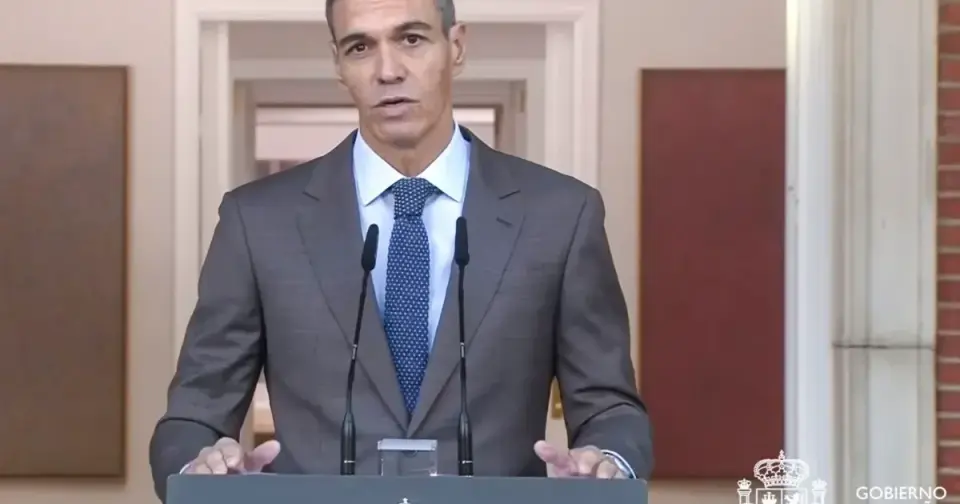
Spanish Prime Minister Pedro Sanchez announced a snap election for November 29 after his minority government failed to pass emergency housing measures. The decision follows nationwide protests triggered by the eviction of an 87-year-old woman, though polls favor the conservative opposition.
Key points
- Sanchez set the election date for November 29, bringing it forward from the scheduled July 2027 vote.
- The move followed the parliamentary rejection of two housing decrees, including eviction suspensions and rent controls.
- Protests drew over 70,000 people in Madrid after the televised eviction of Maricarmen Abascal.
- Polls suggest the conservative People’s Party, potentially allied with far-right Vox, will likely win the most seats.
- Sanchez acknowledged past failures but argued a larger progressive majority is needed to implement social reforms.
Background
Spain’s housing market has faced a decade-long crisis, with rents nearly doubling and home prices rising by 90 percent. Sanchez’s government, which has relied on fragile coalitions since 2018, struggled to pass a budget or significant laws since 2023 due to fragmentation among partners, including the Catalan party Junts.
How outlets are covering it
Al Jazeera and BBC emphasize the immediate trigger: the rejection of housing decrees and the resulting public outrage. The Detroit News frames the election as a high-stakes gamble, noting that while Sanchez trails in polls, the housing crisis offers a rare opportunity to mobilize left-wing voters. The Washington Post highlights the global implications, describing Sanchez as Europe’s foremost critic of US President Donald Trump, and notes that a defeat would end one of the continent’s last major left-leaning governments. Opposition leader Alberto Nunez Feijoo pledged to double homebuilding to 200,000 units annually, contrasting his supply-side approach with Sanchez’s regulatory measures.
Why it matters
The election determines whether Spain’s far-right Vox party enters central government for the first time since the end of the Franco era. It also tests the viability of left-wing governance in Europe amid rising far-right support and economic pressures from US trade policies and defense spending demands.
What to watch
Sanchez plans to use a rarely used legislative mechanism to force through the rejected housing decrees via a standing parliamentary body before the chamber dissolves. The election campaign will focus on housing affordability, immigration, and corruption scandals involving Sanchez’s allies.
- Spain’s Pedro Sanchez announces snap election amid housing crisis Al Jazeera
- Spain Election Live Updates: Sánchez Calls for Nov. 29 Snap Election After Housing Crisis Roils Government The New York Times
- Spain's Sanchez gambles on snap election after housing protests give rare boost The Detroit News
- Spain's Prime Minister Pedro Sánchez calls early election BBC
- Spain’s Pedro Sánchez, main critic of Trump in Europe, calls snap elections The Washington Post
Want the full story? Read the original reporting
Read on Al Jazeera