
Sderot voters back Netanyahu despite October 7 trauma
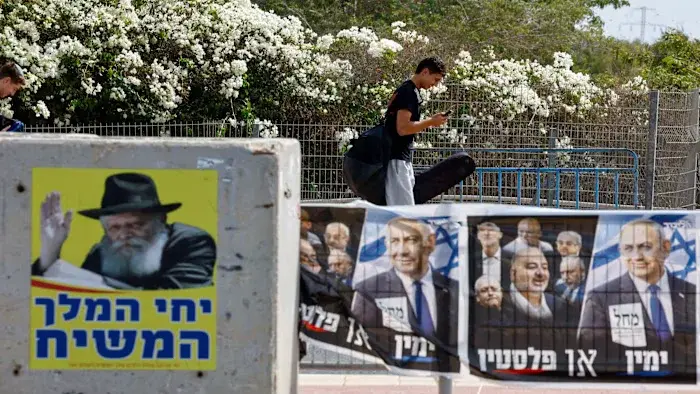
In Sderot, a southern Israeli city devastated by the October 7, 2023 attack, residents remain loyal to Prime Minister Benjamin Netanyahu ahead of the October 27 election. Despite widespread blame for the security failure, local supporters view him as a protector against regional enemies and domestic elites. Polls indicate a likely deadlock, but Netanyahu’s base in Mizrahi communities remains steadfast, rejecting narratives of defeat.
Key points
- Sderot, located one kilometer from the Gaza border, suffered approximately 70 deaths during the October 7, 2023 assault, yet its 40,000 residents largely support Netanyahu.
- Local voters describe Netanyahu as the 'best candidate' and a 'father figure,' rejecting the idea that he is responsible for the security failure.
- Supporters blame former security chiefs and a 'deep state' for the attack, claiming Netanyahu has since 'taken back the reins' of military policy.
- Netanyahu’s campaign leverages ethnic divisions, appealing to Mizrahi communities in Sderot who feel discriminated against by Ashkenazi elites.
- Polls suggest a knife-edge race with no absolute majority, but Netanyahu’s supporters believe he will win outright or form a coalition, defying predictions of defeat.
Background
This election follows three years of conflict initiated by the October 7, 2023 Hamas attack, which was the deadliest day for Jewish people since the Holocaust. Previous coverage highlights a fragmented Knesset where neither Netanyahu’s bloc nor Gadi Eisenkot’s opposition is projected to secure the 61 seats needed for a majority. President Isaac Herzog has rejected US pressure to favor Netanyahu, vowing to base his decision on domestic facts. The current vote is defined by war fatigue, judicial reform debates, and fears of democratic erosion, with tens of thousands of expatriates returning to vote.
Why it matters
The outcome in Sderot reflects a broader trend where Netanyahu’s base prioritizes perceived security and anti-elite sentiment over accountability for the October 7 failure. This loyalty could enable him to form a government despite a fragmented parliament, potentially prolonging his rule and influencing regional conflicts, including tensions with Iran.
What to watch
The election results will determine whether Netanyahu can form a coalition or if Israel faces a second vote. Coalition negotiations will be critical, as no bloc is expected to win an absolute majority. The outcome may also influence the timing of any renewed conflict with Iran, which could subvert the democratic process if it occurs before a new government is formed.
Want the full story? Read the original reporting
Read on Financial Times