
South Korea’s Education Minister Resigns After Controversial Anti-Cheating Measures for Suneung Exam
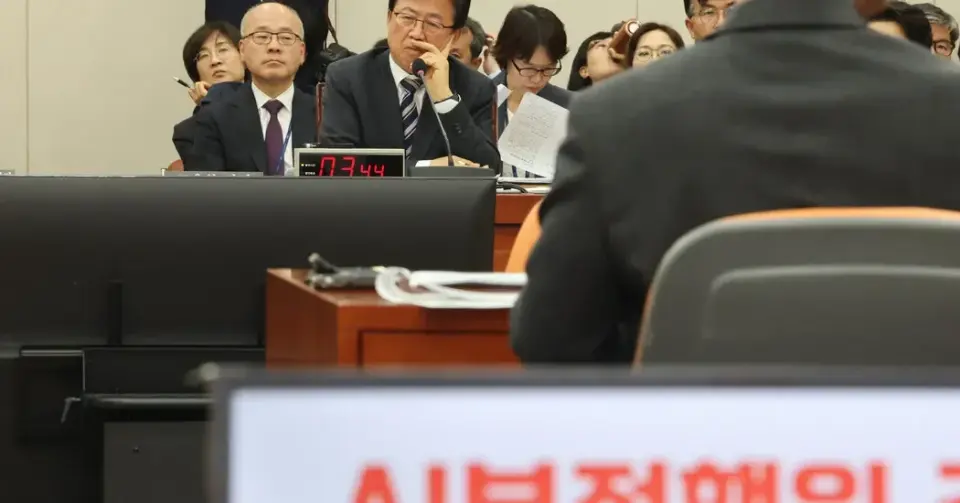
South Korean Education Minister Choi Kyo-jin resigned on Sunday following public backlash over last-minute anti-cheating rules for the College Scholastic Ability Test (Suneung). The measures, announced days before the exam, included nationwide emergency alerts and strict device inspections. While 111 students were caught with unauthorized devices, critics argued the sudden changes caused unnecessary panic among test takers.
Key points
- Choi Kyo-jin resigned three days after the Suneung exam, accepting blame for inadequate preparation of new anti-cheating rules.
- The government deployed the national disaster alert system for the first time to detect hidden phones, catching 111 students with unauthorized devices.
- President Lee Jae-myung called for an overhaul of the exam system and offered rewards of at least 100 million won ($75,000) for information on cheaters.
- New rules required students to cover clothing buttons, undergo eyewear inspections, and submit all electronic devices to proctors.
- The crackdown followed a scandal where a top tax accountancy scorer admitted to using AI and micro-cameras to cheat.
Background
Recent archive coverage highlights the unprecedented nature of South Korea's response to AI-assisted cheating. Previous reports noted the deployment of national emergency alerts and the introduction of significant financial bounties to deter dishonesty. These measures were triggered by a high-profile scandal involving a tax exam candidate who confessed to using advanced technology to achieve a near-perfect score, raising concerns about the integrity of high-stakes national examinations.
How outlets are covering it
The New York Times emphasizes the political fallout, focusing on Minister Choi Kyo-jin’s resignation and his admission that he failed to prepare adequately. The outlet frames the event as a crisis of public trust and administrative failure. In contrast, the BBC highlights the operational success of the new measures, noting that 111 students were caught with unauthorized devices, including five caught red-handed. The BBC also details the specific security protocols, such as the nationwide alerts and physical inspections, while acknowledging the paranoia they induced among honest test takers. Business Insider focuses on the punitive and preventive aspects, detailing the $75,000 reward system and potential criminal penalties, including up to five years in prison for obstructing official duties. It also notes the proposal to extend the ban on retaking the Suneung from one year to ten years for those caught cheating.
Why it matters
The resignation of the education minister signals a significant political cost for the government's rapid response to AI cheating. The Suneung is a critical determinant of social status and career prospects in South Korea, making its integrity a matter of national concern. The use of the national disaster alert system for exam security marks a shift in how the state prioritizes educational fairness over other public safety concerns. The strict measures and potential legal consequences may set a precedent for how other high-stakes examinations are secured against technological cheating in the future.
What to watch
The government is expected to implement the proposed overhaul of the exam system, including stricter penalties and longer bans for cheaters. Authorities are also pursuing agreements with AI companies to access user records related to exam questions. The new education minister will likely face pressure to balance security measures with the well-being of test takers to prevent future public backlash.
- South Korea’s Education Minister Resigns Over Anti-A.I. Cheating Rules The New York Times
- South Korea education minister resigns after AI cheating scandal engulfs university exams The Guardian
- In South Korea's make-or-break college exam, even a shirt button can raise suspicion Reuters
- South Korea catches 111 students with new measures against exam cheating BBC
- South Korea is offering $75,000 rewards to help catch people cheating with AI in its most important exam Business Insider
Want the full story? Read the original reporting
Read on The New York Times