
Estonia Closes Land Border with Russia to Counter Hybrid Threats and Sanctions Evasion
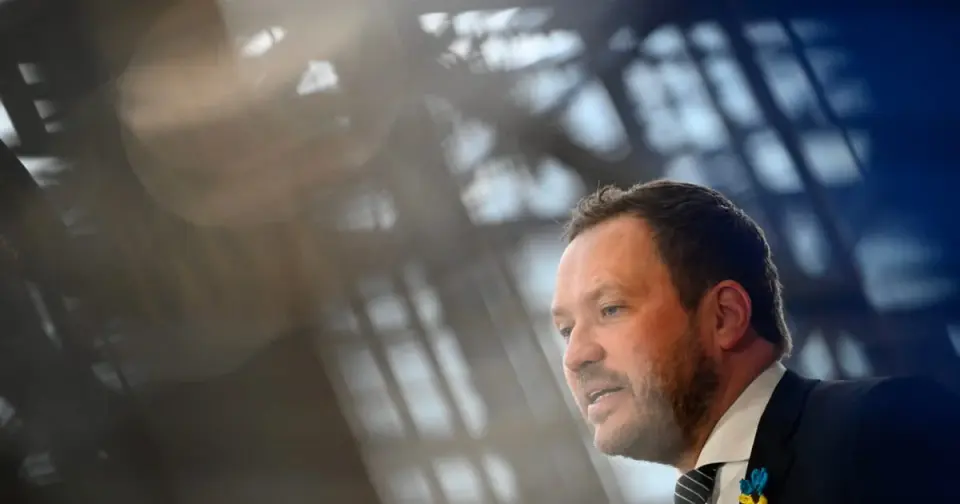
Estonia is closing its land border with Russia starting December 1, 2026, citing security concerns and the need to pressure Moscow. Foreign Minister Margus Tsahkna argues that closing the border limits Russian intelligence operations, sabotage, and sanctions evasion. The move follows a series of incidents across Europe attributed to Russian intelligence, including arson and drone attacks. Tsahkna states that sustained pressure is necessary to force Russia to accept a ceasefire in Ukraine, warning that allowing Russia to dictate European security arrangements would embolden authoritarian powers. The decision follows Finland’s similar border closure in 2023 and impacts cross-border commuters in the Narva region.
Key points
- Estonia will close all road border crossings with Russia on December 1, 2026, for a minimum of six months.
- Foreign Minister Margus Tsahkna states the closure aims to limit Russian intelligence activities, sabotage, and sanctions evasion.
- Tsahkna cites recent incidents in Poland, Germany, and Denmark as part of a broader Russian campaign to undermine European security.
- The move is part of a broader strategy to pressure Russia into accepting a ceasefire in Ukraine, following Finland’s 2023 border closure.
- Estonia rejects Russian allegations that it allowed Ukraine to use its airspace for military strikes, calling them provocative.
Background
Estonia’s decision follows a tense diplomatic exchange with Russia, where Moscow accused Estonia of 'hostile actions' and warned of 'open war.' The closure is also linked to an attempted arson attack on drone manufacturer Threod Systems, which Tallinn attributes to Russian military intelligence. Rail freight remains open, but the move impacts thousands of cross-border commuters and families in the Narva region.
Why it matters
The border closure signals a shift in European security policy, prioritizing containment of Russian hybrid threats over diplomatic engagement. It underscores the growing alignment between Baltic states and broader EU efforts to pressure Russia through sanctions and border restrictions. The move also highlights the risks of allowing Russia to dictate European security arrangements, which could embolden other authoritarian powers.
What to watch
Estonia expects the border closure to remain in effect for at least six months, with potential extensions depending on Russia’s actions. The EU may consider similar measures in other member states, while Russia is likely to escalate diplomatic and economic retaliation. The closure will also impact cross-border trade and commuter traffic in the Narva region, though rail freight remains open.
Want the full story? Read the original reporting
Read on POLITICO.eu