
Spain's Far-Left Fracture: Broad Front and Podemos Fail to Unite Before November Election
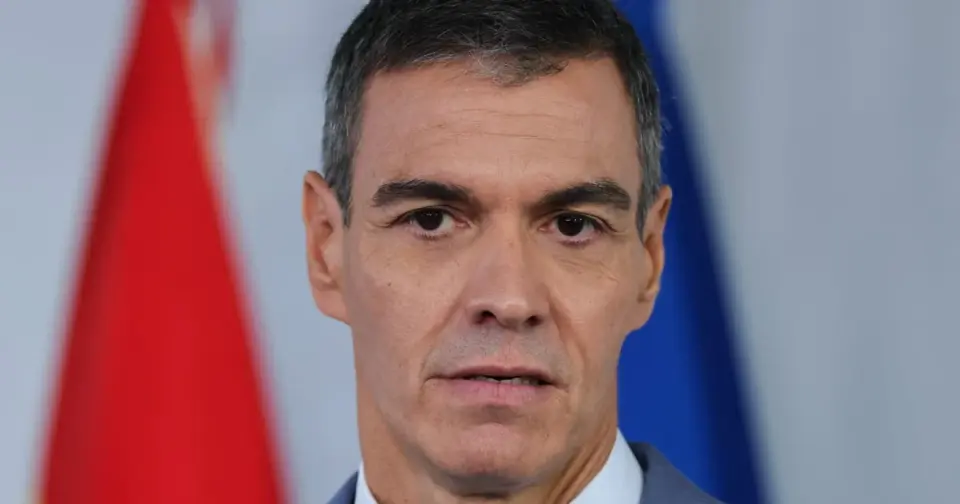
Spain's far-left parties failed to form a nationwide electoral coalition ahead of the November 29 snap election, a significant setback for Prime Minister Pedro Sánchez. The Broad Front and Podemos, key allies needed to sustain a left-wing government, could not agree on candidate lists, opting to run separately in most regions. This division weakens the left's chances against the conservative People's Party and far-right Vox, which are currently leading in polls. The collapse of negotiations highlights deep internal rivalries and strategic disagreements, potentially demobilizing left-wing voters and jeopardizing Sánchez's bid to remain in power.
Key points
- The Broad Front and Podemos failed to reach a nationwide agreement by the Friday midnight deadline, opting to run separate candidate lists in most Spanish regions.
- The two parties will only run jointly in the Canary Islands and the Valencia region, leaving major constituencies like Madrid and Barcelona divided.
- The failure to unite is seen as a major blow to Prime Minister Pedro Sánchez, who relies on far-left support to form a governing majority after the November 29 election.
- Negotiations collapsed over disputes regarding candidate positions, with Podemos demanding open primaries and the Broad Front insisting on its own preferred candidates for key regions.
- Polls show the conservative People's Party and far-right Vox leading, making the left's division a critical factor in determining the next government's composition.
Background
This development follows Prime Minister Pedro Sánchez's announcement of a snap election on October 6, 2026, after his minority government failed to pass emergency housing legislation. The election was triggered by nationwide protests and political crises, including a migrant surge in Ceuta and corruption scandals. Sánchez's Socialist Party (PSOE) has been trailing the conservative People's Party in polls, making support from far-left allies like the Broad Front and Podemos essential for forming a new government. The current failure to unite echoes previous challenges in coalition-building, such as the fractured far-right coalition in Israel ahead of its October 2026 election, where internal divisions threatened the re-election of the incumbent.
How outlets are covering it
Politico emphasizes the strategic impact of the failure on Pedro Sánchez's chances to remain in power, noting that the division demobilizes left-wing voters and strengthens the conservative opposition. U.S. News & World Report highlights the electoral system's disadvantage for smaller parties running separately, particularly in less populous provinces, and notes the long-standing animosities between former allies. El Constitucional focuses on the 'personalisms' and strategic rivalries between party leaders, such as Gabriel Rufián and Mónica García, arguing that these conflicts prevented unity despite shared goals. All sources agree that the failure to unite is a significant setback for the left, but they differ in emphasis: Politico and U.S. News focus on the electoral consequences, while El Constitucional delves into the internal political dynamics and leadership strategies that led to the collapse.
Why it matters
The failure of Spain's far-left parties to unite before the November 29 election has significant implications for the country's political future. It weakens the left's ability to form a governing majority, potentially allowing the conservative People's Party and far-right Vox to form a coalition. This division could demobilize left-wing voters, who were hoped to be galvanized by housing protests and fear of the far right. The outcome of the election will determine whether Sánchez can remain in power or if Spain will see a shift to a right-wing government, with potential implications for social policies, housing, and relations with the EU and Morocco.
What to watch
The Broad Front and Podemos will now campaign separately in most regions, with the Broad Front led by Ada Colau and Podemos by Irene Montero. The November 29 election will determine the composition of the next Spanish government, with polls currently favoring the conservative People's Party and far-right Vox. The left will need to secure enough seats to form a coalition with the PSOE, but the division may make this difficult. Post-election negotiations will be critical in determining whether a left-wing or right-wing government can be formed, with potential implications for Spain's domestic and foreign policies.
- Spain’s far left fails to unite ahead of November vote POLITICO.eu
- Spain's Hard Left Fails to Unite Before Election, Hurting Chances of Staying in Power U.S. News & World Report
- Spain’s parties of the left divided as they head into snap election Yahoo
- Personalisms once again frustrate the unity of the alternative left: Podemos and Frente Amplio fail and exhibit division before the electorate El Constitucional
- Democrat at Atresmedia: who leads the digital power of the lefts in the face of the failure of their electoral unity Demócrata
Want the full story? Read the original reporting
Read on POLITICO.eu