
Six Months In, US-Iran War Stalls in Strategic Deadlock
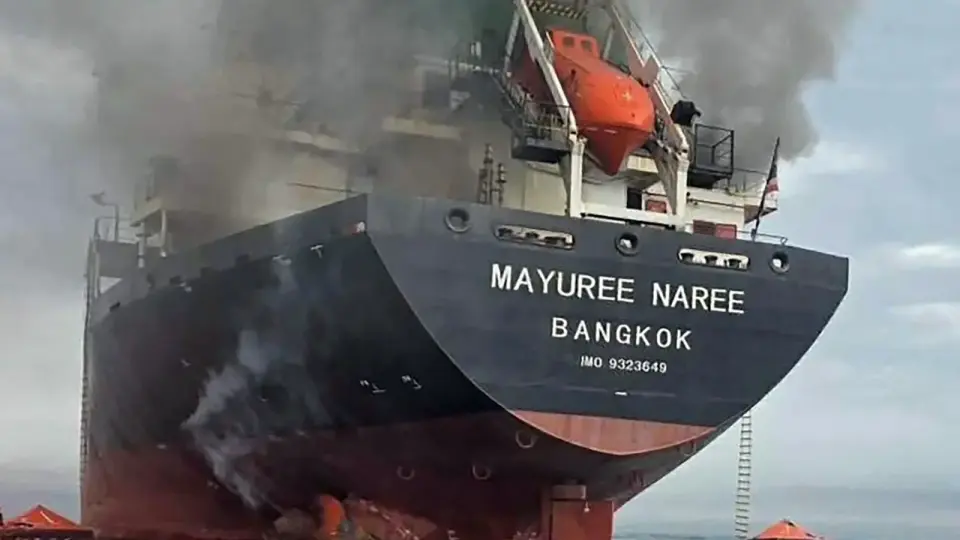
The six-month-old conflict between the United States and Iran has entered a strategic stalemate, with neither side achieving decisive victory. While Washington maintains a military presence and imposes economic pressure, Tehran continues asymmetric attacks and refuses to negotiate. The war has devastated Iran’s economy and killed thousands, but has also failed to force regime change or secure a durable peace.
Key points
- The war began on Feb. 28, 2026, and has resulted in over 750 US service members wounded and 18 killed, alongside tens of billions of dollars in US military spending.
- Iran’s regular military has been significantly degraded, but it retains capabilities for asymmetric operations, including cyberattacks and potential terror plots against US interests and officials.
- The Strait of Hormuz remains a critical chokepoint; while US efforts aim to restore pre-war oil traffic, only a fraction of the daily volume is currently passing through.
- Trump’s 'Economic D-Day' plan, unveiled by Treasury Secretary Scott Bessent, focused on enforcing existing sanctions rather than imposing new secondary sanctions on countries like China.
- Iranian President Masoud Pezeshkian has urged ending the war from a 'position of strength,' while the US has not resumed major air strikes since an April ceasefire.
Background
The conflict escalated following the Oct. 7, 2023, Hamas attacks, with Israel and the US targeting Iran’s ballistic missile program. Previous diplomatic efforts, including a June interim agreement and mediation by Qatar, Pakistan, and Oman, have failed to produce a lasting peace. Congressional debates in July 2026 highlighted a GOP split on war powers, with the House passing a nonbinding resolution to withdraw troops and the Senate rejecting a binding one.
How outlets are covering it
Rolling Stone emphasizes the lack of a clear path to victory, noting that both sides are clinging to unrealistic expectations. CNN highlights the division within the Iranian-American diaspora, with some welcoming the strikes as a path to regime change and others fearing civilian suffering. The New York Times frames the conflict as a 'forever war' for Trump, stuck between combat and peace, with no clear goals. AP News notes that the war has changed the Middle East but not in the way the US and Israel hoped, with Iran’s resilience challenging US assumptions about its military capabilities.
Why it matters
The ongoing conflict threatens global energy markets, as the Strait of Hormuz carries one-fifth of the world’s oil. It also raises concerns about regional stability, with Iran’s asymmetric capabilities potentially leading to further escalation. The war’s impact on the US economy and Trump’s approval ratings could influence the fall 2026 elections.
What to watch
The US is likely to continue its economic pressure and naval blockade, while Iran may pursue further asymmetric operations. Diplomatic efforts may resume, but trust between the two sides remains low. The outcome of the fall 2026 elections could influence US policy on the conflict.
- No One Knows How to End the War with Iran Rolling Stone
- Six months into the Iran war, Iranian Americans remain divided over what comes next CNN
- For Trump, the Iran War Is Stuck Between Combat and Genuine Peace The New York Times
- US military families ride 'roller coaster of emotions' over six months of Iran war Reuters
- Six months on, the Iran war has changed the Middle East, but not in the way its architects had hoped AP News
Want the full story? Read the original reporting
Read on Rolling Stone