
Andersson Given 28 Days to Form Sweden’s New Government After Kristersson Resigns
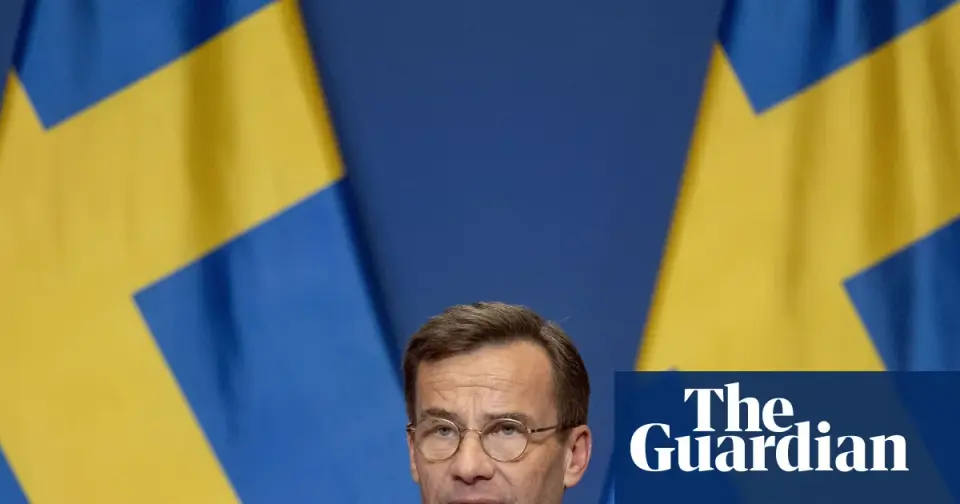
Swedish Prime Minister Ulf Kristersson has resigned, allowing Social Democrat leader Magdalena Andersson to attempt to form a new government. Andersson has been formally tasked with assembling a cabinet within 28 days, facing significant hurdles due to deep ideological divides within the centre-left bloc. The new administration will prioritize climate policy, healthcare, and immigration, though the Social Democrats have shifted rightward on crime and integration in recent years.
Key points
- Magdalena Andersson has 28 days to form a government after parliamentary speaker Andreas Norlén formally invited her to do so.
- The centre-left bloc holds a narrow three-seat majority (176 seats) in the 349-seat Riksdag, with only 50,359 votes separating the two blocs.
- Ulf Kristersson resigned after four years in office, calling for 'constructive openness' to resolve deadlocks and form a stable government.
- Key negotiation obstacles include the Left Party’s demand for ministerial posts, which the Centre Party opposes, and disagreements over taxation and nuclear energy.
- The Sweden Democrats lost support for the first time since their founding, dropping from second to third largest party, reducing their leverage over the new government.
Background
This development follows the September 2026 general election, where exit polls and early counts indicated a razor-thin victory for the centre-left bloc. Previous coverage noted that while the Social Democrats remained the largest single party, their support had hit record lows, and the Sweden Democrats’ influence was expected to complicate government formation. The current situation confirms the final count and the start of formal coalition negotiations.
How outlets are covering it
The Guardian emphasizes the ideological tensions within the centre-left bloc, specifically the conflict between the Centre and Left parties regarding ministerial inclusion and tax policy. Euronews highlights the procedural aspect, noting that Andersson has a strict 28-day deadline to report back to the speaker, and describes the negotiations as an 'uphill battle.' CNN’s coverage was largely obscured by technical errors in the provided source, but its headline confirms the centre-left victory. All sources agree that Kristersson’s resignation was a direct result of the election outcome, though the Guardian notes that Kristersson left the door open for cooperation with the Moderates, while Euronews focuses on the internal left-wing deadlock.
Why it matters
The outcome determines Sweden’s future direction on climate, healthcare, and immigration. A successful coalition could stabilize the country, but the narrow majority and internal party divisions risk a prolonged political crisis. The decline of the far-right Sweden Democrats also signals a shift in the political landscape, potentially reducing external pressure on the new government.
What to watch
Andersson must complete coalition talks within 28 days. If successful, she will be voted in as Prime Minister. If talks fail, the parliamentary speaker may invite other leaders or extend the deadline. The key to watch is whether the Centre and Left parties can bridge their differences on ministerial posts and taxation.
- Sweden’s PM resigns after centre-left bloc wins slim majority in election The Guardian
- Sweden’s center-left opposition wins election, SVT says edition.cnn.com
- Sweden Swings Back Left, Bucking a Trend in Europe The New York Times
- Sweden's Social Democrat leader Andersson asked to form government Euronews.com
- Social Democracy Won the Century and Lost the Future Jacobin
Want the full story? Read the original reporting
Read on The Guardian