
Sweden’s Left Bloc Secures Narrow Victory, Halting Far-Right Ascend
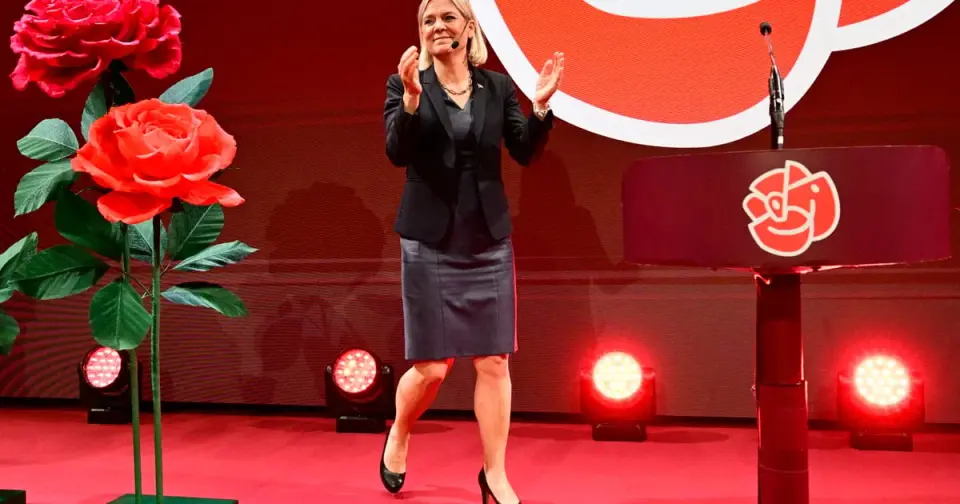
Magdalena Andersson’s center-left bloc is poised to win Sweden’s parliamentary election by a razor-thin margin, preventing the far-right Sweden Democrats from entering government for the first time. With 99.9% of votes counted, the left holds a three-seat lead in the 349-seat Riksdag, though final results are pending. The outcome averts a historic shift in Swedish politics but leaves Andersson facing complex coalition negotiations, particularly with the Center Party, which opposes including the Left Party in a new government.
Key points
- The Social Democrats, led by Magdalena Andersson, are projected to win 175 seats, narrowly edging out Ulf Kristersson’s right-wing bloc at 174 seats.
- The far-right Sweden Democrats (SD) suffered their first-ever decline in a parliamentary election, dropping to third place behind the Moderates.
- Kristersson’s bloc includes the Christian Democrats and Liberals, but they failed to secure a majority, ending his tenure as prime minister.
- Andersson’s coalition partners include the Greens, Center Party, and Left Party, but the Center Party has expressed reservations about working with the Left Party.
- The election was one of the closest in recent Swedish history, with only 26,169 votes separating the two blocs at one point during the count.
Background
Sweden’s political landscape has been increasingly polarized, with the far-right Sweden Democrats gaining significant support in recent years. The 2022 election saw the SD rise to second place, and Kristersson’s minority government relied on their parliamentary support. This election marked a potential turning point, as voters chose to reject the far-right’s entry into government. The result also contrasts with trends in other European countries, where far-right parties have been gaining ground, such as the AfD in Germany and Marine Le Pen’s party in France.
How outlets are covering it
Politico and CNN emphasize the narrow margin of victory and the significance of the far-right’s decline, highlighting the close race and the potential for coalition instability. Al Jazeera focuses on the social impact, noting the relief in multicultural areas and the failure of the SD’s anti-immigration rhetoric. The Guardian provides a broader European context, framing the Swedish result as a rare positive for progressives amid a rise in far-right movements across Europe. All sources agree on the narrow margin and the significance of the SD’s decline, but they differ in their emphasis on the political implications and social impact.
Why it matters
The election result prevents the far-right Sweden Democrats from entering government for the first time, a significant milestone in Swedish politics. It also highlights the challenges faced by center-left parties in Europe, as they struggle to counter the rise of far-right movements. The outcome may influence immigration and asylum policies, as Andersson’s government is expected to take a milder approach compared to Kristersson’s administration. The result also underscores the importance of coalition negotiations in Swedish politics, as Andersson must secure support from multiple parties to form a stable government.
What to watch
The Swedish Election Authority is expected to confirm the final results by Thursday, after counting late incoming ballots from home and overseas. Coalition negotiations will begin once the final outcome is confirmed, with Andersson seeking to form a government with her left-leaning partner parties. The Center Party’s leader, Elisabeth Thand Ringqvist, has indicated that her party will start talks with the Social Democrats but has expressed reservations about including the Left Party in the new government. The next step will be a vote in parliament to confirm Andersson’s majority, which is not expected before September 29.
- Left on brink of victory in Swedish election politico.eu
- Sweden’s center-left opposition wins election, SVT says CNN
- In Sweden, many breathe sigh of relief as far right suffers election losses aljazeera.com
- The Guardian view on Sweden’s election result: an opportunity that progressive parties must not squander | Editorial The Guardian
- Swedish election left the blocs split over Israel and antisemitism Haaretz
Want the full story? Read the original reporting
Read on politico.eu