
Sweden's Migration Pivot: From Welcoming Haven to Paid Departures Ahead of Election
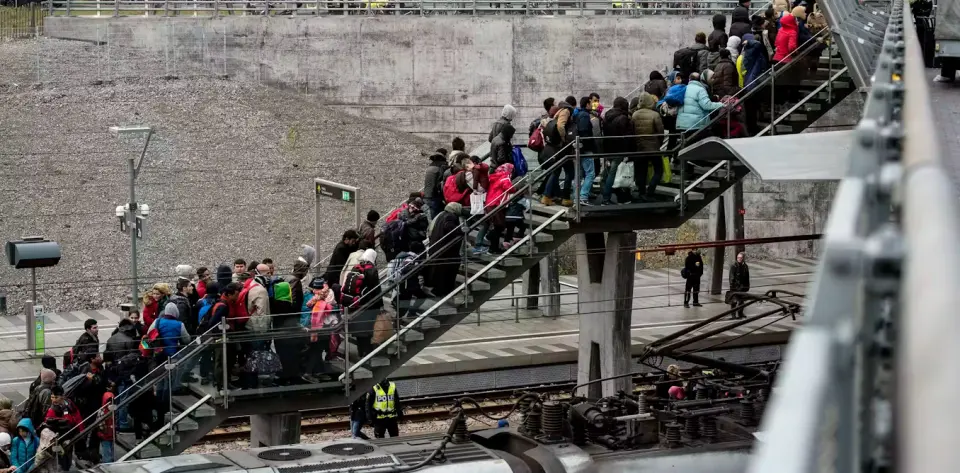
Sweden has transformed from Europe's most welcoming nation to one of its most restrictive in a decade, driven by post-2015 reforms and a 2022 centre-right coalition. Asylum applications dropped 96% from 2015 to 2025, with new laws tightening residency, citizenship, and benefits. The government now offers up to 350,000 SEK for voluntary departure, a move criticized as symbolic. Ahead of the September 13 election, the Social Democrats pledge to maintain strict asylum limits but oppose deporting long-term residents, while the ruling coalition emphasizes deterrence and returns.
Key points
- Asylum applications fell from 163,000 in 2015 to 6,700 in 2025, with an approval rate of 23%.
- The 2022 Tidö Agreement enabled sweeping reforms, replacing permanent residency with temporary permits and tightening family reunification.
- A new 'remigration' program offers up to 350,000 SEK for non-EU residents to leave; only 171 people accepted the offer in 2026.
- Citizenship requirements now include mandatory tests on Swedish history and language, with a 54-month processing wait.
- The Social Democrats support strict asylum limits but oppose deporting long-term residents and propose a 'long establishment' residency permit.
Background
Sweden's shift began after the 2015 refugee crisis, when it received over 160,000 asylum applications, including 35,000 unaccompanied minors. A cross-party consensus emerged to restrict migration, leading to temporary border controls and the replacement of permanent residency permits. The 2022 election brought a centre-right coalition backed by the anti-immigration Sweden Democrats, accelerating reforms. Prior to this, Sweden was known for generous asylum policies and humanitarian leadership.
How outlets are covering it
The Conversation and Reuters highlight the drastic policy reversal, noting Sweden's move from high per-capita asylum intake to one of the lowest in the EU. Reuters emphasizes the symbolic nature of the paid departure scheme, with low uptake (171 people) and criticism from civil rights groups. The Local and UA.NEWS focus on the Social Democrats' nuanced stance: supporting strict asylum limits but opposing deportations of long-term residents. Karkiainen, the Social Democrats' migration spokesperson, argues that 'strict migration policy' should not mean forcing integrated residents to leave, contrasting with the government's focus on deterrence. The Sweden Democrats, outside the government but influential, advocate extending the departure offer to citizens, a move opposed by the Social Democrats.
Why it matters
Sweden's policy shift signals a broader European trend toward restrictive migration, influencing parties like Germany's AfD. The 2026 election will determine whether restrictive policies continue or are moderated. The outcome affects 2 million foreign-born residents and sets precedents for EU migration standards. The debate over deporting long-term residents highlights tensions between security and integration, with potential impacts on social cohesion and labor markets.
What to watch
The September 13 election will decide whether the centre-right coalition retains power or the Social Democrats return to government. Polls show a near-even split. If the Social Democrats win, they may implement a 'long establishment' residency permit and restore transitional citizenship rules. The ruling coalition may extend the paid departure scheme to citizens. Both sides agree on maintaining strict asylum limits, but differ on enforcement for long-term residents. The Migration Agency's 54-month citizenship wait may be addressed through increased funding or fast-track systems for skilled workers.
- Immigration in Sweden: how the country went from one of Europe’s most welcoming, to one of its most restrictive The Conversation
- As Election Looms, Sweden's Government Is Paying Immigrants to Leave U.S. News & World Report
- Sweden’s Social Democrats propose reviewing residence rules for migrants UA.NEWS
- 'We don't want people who are integrated in Sweden to be forced to leave' thelocal.se
- Sweden's Migration Shift: Cash Incentives to Leave Devdiscourse
Want the full story? Read the original reporting
Read on The Conversation