AfD candidate Ulrich Siegmund sparked outrage by linking arms production to his party's deportation plans, drawing sharp criticism from rivals and raising questions about the party's governing intentions.
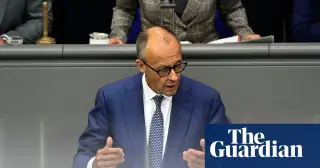
Chancellor Friedrich Merz condemned the far-right AfD’s proposed “remigration” policy as ethnic cleansing, arguing it would devastate Germany’s economy by pushing out foreign-born workers and undermining essential services, amid AfD’s surge in Saxony-Anhalt and CDI leadership challenges as the party grapples with the rise of the far right.
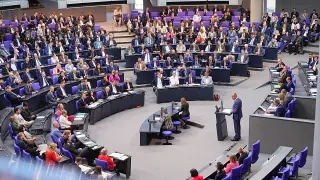
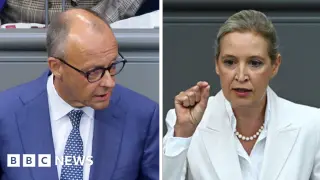
German Chancellor Friedrich Merz condemned the AfD's demand for mass deportations as 'ethnic cleansing' during a heated Bundestag exchange with AfD co-leader Alice Weidel, shortly after the party's strong Saxony-Anhalt win; Weidel urged change and framed immigration as unsafe, while Merz warned the policy would devastate Germany's labor market and accused the party of Russian ties amid broader political tensions.
German Chancellor Friedrich Merz condemned the AfD’s ‘remigration’ agenda as ethnic cleansing and warned it would harm Germany’s economy and social cohesion, a stance voiced during a heated Bundestag debate after AfD’s strong Saxony-Anhalt victory. He also canceled a planned phone call with Donald Trump following Trump’s praise of the AfD. The party’s surge highlights rising migration-skeptic sentiment, though the AfD still does not hold a federal majority and faces a challenging national path.
Chancellor Friedrich Merz denounces the far-right AfD as a 'destructive force' in a stormy Bundestag session after Saxony-Anhalt's near-44% win, accusing them of pro-Russia stances and a remigration policy that would affect millions; AfD leader Alice Weidel argues Merz's coalition has failed. The Saxony-Anhalt result does not grant AfD governing power, no far-right state government exists since WWII, and AfD disruptions prompted threats of expulsions. Trump praised the AfD's gains, a planned call with the chancellor was postponed, and while cross-party talks have been floated, Merz maintains the firewall against working with the far right.
Thousands gathered in Milan for the far-right Masters in Our Own Home rally led by Matteo Salvini and Patriots for Europe, advocating remigration and a merit-based residence permit while Salvini called for suspending EU energy rules and reopening to Russian oil, amid clashes with anti-fascist protesters and a broader display of Europe’s growing border-and-energy hard line.
Germany’s far-right AfD in Saxony-Anhalt presented a 150-page manifesto proposing sweeping changes to migration, education, welfare and energy policy, including a hard shift toward deportations and a concept of “remigration” that would target Ukrainian refugees; it also urges lifting sanctions on Russia and offering free Russian language lessons. The plan signals a dramatic pivot for the party ahead of September state elections, though any changes would require federal approval, and polls show the AfD gaining ground in both eastern and parts of western Germany.
Remigration, a concept originating from far-right and ethnonationalist ideologies, involves forcibly removing non-white populations from traditionally white countries and is gaining traction in the US and Europe, with some government entities considering policies aligned with this idea.
President Donald Trump recently echoed far-right European rhetoric with the term 'remigration' during Thanksgiving, reflecting his populist nationalist style that demonizes minorities and migrants, reminiscent of the language used by far-right parties in Europe.
The U.S. State Department plans to create an 'Office of Remigration' as part of a broader reorganization aimed at shifting focus from refugee assistance to deportation and repatriation efforts, a move that has raised concerns due to the term 'remigration's' controversial history and implications for immigration policy.