
Takaichi Sends Offering to Yasukuni, Igniting Diplomatic Friction
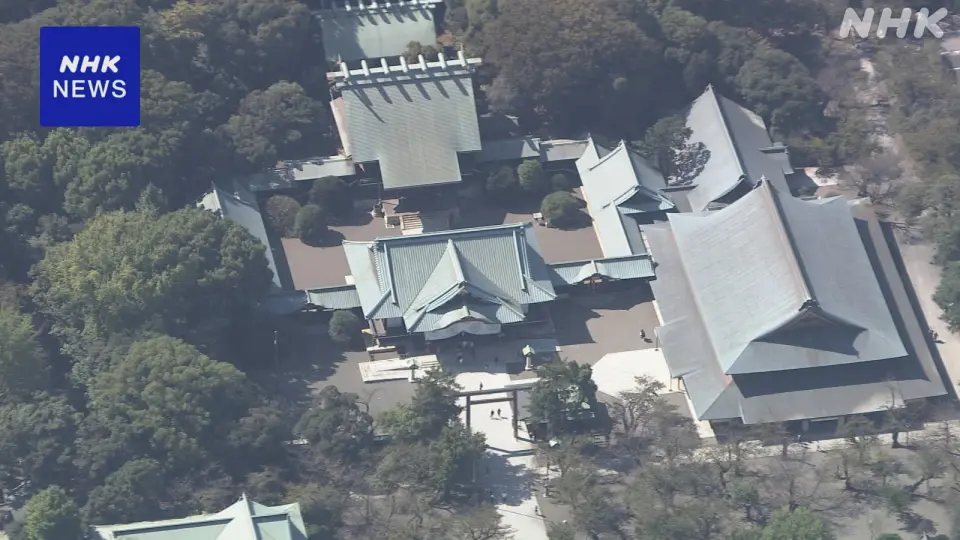
Japanese Prime Minister Sanae Takaichi sent a ritual offering to Yasukuni Shrine for its autumn festival, a move that has drawn sharp condemnation from China. While Takaichi avoided a physical visit to manage diplomatic fallout, other cabinet members attended the shrine, highlighting a complex balance between domestic political expectations and international relations.
Key points
- Prime Minister Sanae Takaichi sent a 'masakaki' plant offering to Yasukuni Shrine on Saturday for the start of its three-day autumn festival.
- Takaichi did not visit the shrine in person, citing strained relations with China, though she had previously visited during her tenure as LDP leader.
- Cabinet members, including Economic and Fiscal Policy Minister Minoru Kiuchi, visited the shrine and made similar offerings.
- China condemned the actions, stating they whitewash war crimes and challenge the postwar international order.
- The shrine enshrines 14 Class-A war criminals, a fact that continues to provoke objections from neighboring countries.
Background
Yasukuni Shrine has long been a flashpoint in East Asian diplomacy due to its enshrinement of war criminals. Previous Japanese leaders have navigated this by sending offerings rather than visiting in person to mitigate diplomatic backlash. Takaichi, who became LDP leader in October 2025, had previously visited the shrine but shifted to private cash offerings and prayers from a distance after becoming Prime Minister. This latest move occurs amid broader tensions, including China's recent diplomatic protests and ongoing debates over Japan's defense spending and historical memory.
How outlets are covering it
NHK World and Kyodo News report the facts neutrally, noting Takaichi's decision to send an offering rather than visit in person due to diplomatic sensitivities. Kyodo highlights that Takaichi is a conservative who previously visited the shrine. CGTN, representing the Chinese perspective, strongly condemns the offering as an attempt to 'whitewash war criminals' and 'distort historical facts,' urging Japan to break with militarism. Japan Today features a mix of domestic opinions; some commenters view the offering as a harmless domestic tradition, while others criticize it as a symbol of right-wing nationalism and historical revisionism, noting the contradiction between the Japanese constitution's separation of church and state and the government's religious activities.
Why it matters
The incident underscores the delicate balance Japan must maintain between honoring domestic political traditions and managing international relations, particularly with China. It highlights the ongoing sensitivity of historical issues in East Asia and the potential for symbolic acts to trigger diplomatic friction. The differing reactions from domestic and international observers reflect the complex legacy of World War II and its continued impact on regional politics.
What to watch
Japan may face continued diplomatic pressure from China and potentially South Korea over the Yasukuni issue. Domestic debates may continue regarding the appropriateness of government officials' religious activities and the handling of historical memory. Takaichi's government will likely continue to navigate these tensions while addressing other policy priorities, such as defense spending and economic reforms.
- Japan PM Takaichi sends offering to Yasukuni Shrine | NHK WORLD-JAPAN News NHKニュース
- Takaichi sends offering to Yasukuni Shrine for autumn rite Japan Today
- China condemns Japanese politicians over Yasukuni Shrine offerings CGTN
- Kyodo News Digest: Oct. 17, 2026 Japan Wire by Kyodo News
- China: Japan needs to face history and reflect on past crimes chinadailyhk
Want the full story? Read the original reporting
Read on NHKニュース