
Tanzania’s Vice President Resigns Amid Reported Rift With President Samia
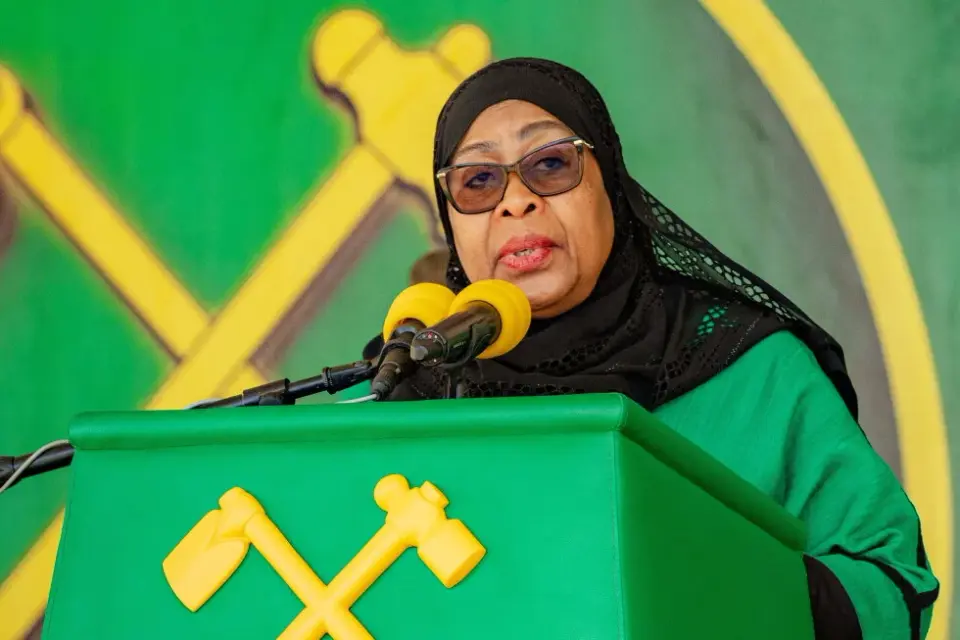
Emmanuel Nchimbi has resigned as Tanzania’s vice president, becoming the first to leave office in the nation’s history. The 54-year-old cited a desire to respect President Samia Suluhu Hassan’s wishes for change, following reports of a power struggle. His departure ends a tenure of less than 10 months and marks a significant shift in the political landscape of the East African country.
Key points
- Emmanuel Nchimbi announced his resignation via Instagram, stating he wished to honor a promise to President Samia Suluhu Hassan to step aside if she desired a different deputy.
- Nchimbi, 54, was sworn in last November as Hassan’s running mate after the pair won 98% of the vote in a disputed October election.
- The resignation makes Nchimbi the first vice president to leave office in Tanzania’s history, ending a tenure of less than 10 months.
- The move follows reports of a falling out between the two leaders, with sources in Nchimbi’s office and the presidency confirming the decision.
- Nchimbi plans to retire from public life at the end of next week, following a period of political instability that included violent post-election protests.
Background
Tanzania has historically been viewed as a stable political oasis in East Africa, largely due to the dominance of the ruling CCM party and orderly transitions of power. This stability was notably maintained when Samia Suluhu Hassan assumed the presidency without incident after the sudden death of John Pombe Magufuli. The current resignation disrupts this narrative of continuity, occurring in the wake of a disputed election that sparked significant unrest.
How outlets are covering it
AP News frames the resignation as the result of a reported power struggle, highlighting the breakdown in the relationship between the president and vice president. BBC emphasizes the unprecedented nature of the move, noting that Nchimbi is the first vice president to resign in the country’s history. Both outlets agree on the timeline and the fact that Nchimbi cited the president’s wishes as the primary reason for his departure. The BBC further contextualizes the event by referencing the violent post-election protests that killed at least 500 people, which AP does not explicitly detail in this specific report but which provides the backdrop for the current political tension.
Why it matters
The resignation of Tanzania’s vice president signals a potential fracture in the ruling coalition and challenges the country’s reputation for political stability. It may lead to further internal conflicts within the CCM party and could impact the government’s ability to manage the aftermath of the disputed election and subsequent unrest. The move also raises questions about the future of the Hassan administration and the potential for further political realignment in East Africa.
What to watch
President Samia Suluhu Hassan is expected to announce a new vice president or restructure her cabinet in the coming weeks. The political landscape may see increased scrutiny of the ruling party’s internal dynamics, and there could be further public reactions to the resignation, particularly given the recent history of post-election violence. International observers will likely monitor the situation for signs of broader political instability or reform.
- Tanzania’s vice president resigns in test to the country’s democracy AP News
- Emmanuel Nchimbi: Tanzania's vice-president announces resignation in unprecedented move BBC
- After Tanzania Vice President Nchimbi's resignation, what happens next? The EastAfrican
- Tanzania's vice president resigns in less than a year Reuters
- Tanzania's vice president resigns in test to the country's democracy The Daily Corinthian
Want the full story? Read the original reporting
Read on AP News