
Trump's Nobel Peace Prize bid ends in mockery after second consecutive loss
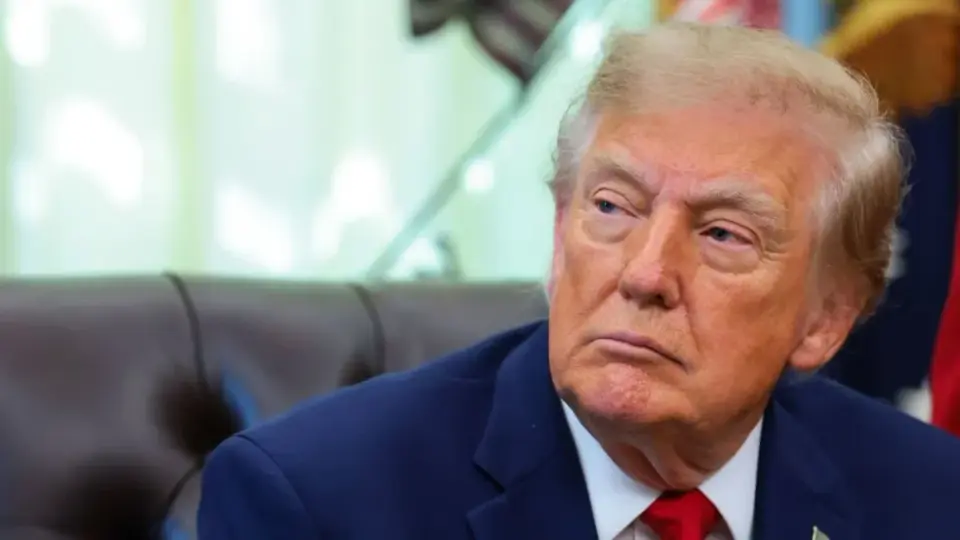
President Donald Trump suffered his second consecutive loss for the Nobel Peace Prize, with the award going to South African human rights advocate Navi Pillay. Trump publicly criticized the decision, falsely claiming he had settled eight wars, while Pillay mocked his campaign by joking she might share the prize with him if the crowd applauded louder. The outcome highlights the disconnect between Trump's self-promotion and his administration's active military conflicts in Iran and Venezuela, which experts argue disqualify him from the honor. Despite the loss, Trump continued to assert his superiority, calling the outcome an 'indelible stain' on Norway, though his claims are widely regarded as counterproductive and desperate by observers.
Key points
- The 2026 Nobel Peace Prize was awarded to Navi Pillay, marking Trump's second straight loss.
- Trump claimed at a rally in Syracuse that he settled eight wars and saved more lives than anyone in history, a claim CNN notes is false.
- Pillay quipped at the ceremony that she might share the prize with Trump if the audience clapped harder.
- Trump's campaign included coercing 2025 winner Maria Corina Machado to give him her medal, which she did, but it did not change the outcome.
- Critics point to active US military operations in Iran and Venezuela, as well as extrajudicial killings at sea, as reasons why Trump is ineligible for the prize.
- A Washington Post poll from last year found only 22% of Americans and 49% of Republicans believed Trump deserved the award.
Background
In early October 2026, Trump intensified his lobbying for the Nobel Peace Prize, claiming he had ended eight wars and prevented Iran from developing nuclear weapons. This push occurred despite ongoing military conflicts in Iran and Venezuela, which critics argued contradicted the prize's criteria. Prediction markets and analysts favored other candidates, including Canadian Prime Minister Mark Carney, Pope Leo XIV, and humanitarian organizations, viewing Trump as an unlikely winner due to his administration's active hostilities. The 2025 winner, Maria Corina Machado, had previously suggested Trump deserved the honor, though the Nobel Institute clarified that the prize cannot be transferred. Trump's campaign included a controversial attempt to take over Greenland and an invasion of Venezuela to arrest Nicolas Maduro, which he later framed as a resource seizure.
Why it matters
The outcome underscores the tension between Trump's pursuit of personal glory and his administration's foreign policy actions, which include active military conflicts and extrajudicial killings. The Nobel loss highlights the international community's skepticism toward his claims of peacebuilding, as his actions are seen as counterproductive to the values the prize represents. It also reflects a broader pattern in his second term, where he seeks shortcuts to recognition while engaging in policies that undermine international law and diplomatic norms. The incident serves as a case study in how self-promotion can backfire when it conflicts with observable reality and established criteria for honor.
What to watch
Trump is expected to continue his campaign for recognition, potentially through other avenues or by further criticizing the Nobel Committee. The administration may face increased scrutiny over its military actions in Iran and Venezuela, as well as its domestic policies. The outcome of the Nobel Peace Prize may influence public perception of Trump's legacy and his ability to secure international accolades. Future Nobel announcements will likely be watched closely for any signs of compromise or continued resistance from the committee.
Want the full story? Read the original reporting
Read on Yahoo News Singapore