
Rubio and Bessent stranded on decoy plane after Trump’s secret Turkey swap
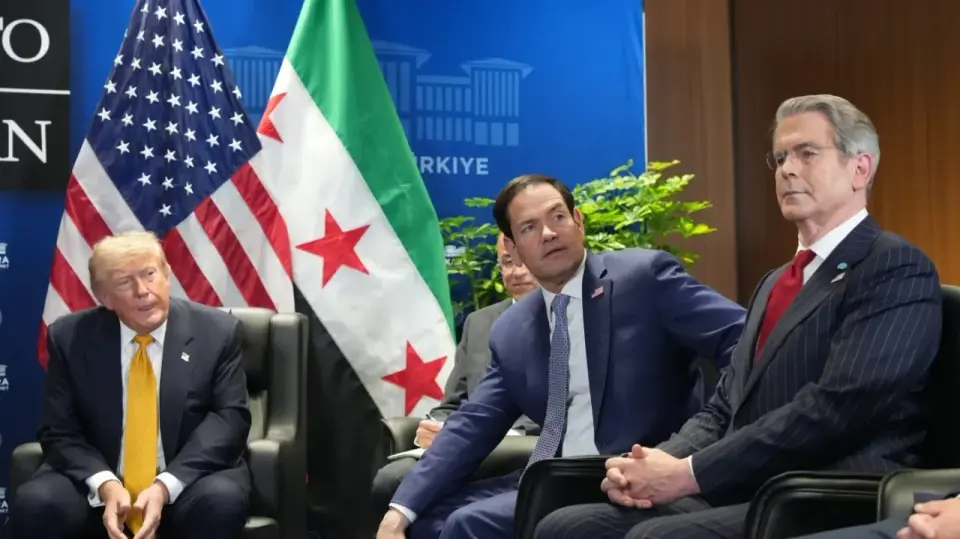
Secretary of State Marco Rubio and Treasury Secretary Scott Bessent remained on a decoy aircraft after President Trump secretly switched planes in Turkey due to an Iranian threat, leaving them unaware of the move. The administration later classified the incident as an assassination attempt, sparking debate over security transparency and succession protocols.
Key points
- Rubio and Bessent stayed on the decoy Air Force One while Trump transferred to a C-32A via a catering truck.
- The Secret Service orchestrated the switch to evade a potential Iranian missile attack on the presidential aircraft.
- Rubio was informed of the threat, but Bessent likely remained unaware of the specific danger.
- The administration officially labeled the incident an assassination attempt in a Supreme Court filing.
- Trump defended the move, stating he followed Secret Service and military orders for safety.
Background
This incident follows earlier reports of Trump using a decoy plane during the NATO summit in Ankara. Previous coverage noted that while such maneuvers are standard for high-risk trips, the secrecy surrounding this specific swap raised questions about cabinet awareness. The administration had previously faced scrutiny over the security of a new Air Force One donated by Qatar, which lacked full protective measures, prompting the use of older aircraft for this trip.
How outlets are covering it
The Hill and The Associated Press reported that Rubio knew of the threat while Bessent did not, highlighting a gap in communication among top officials. The Atlantic criticized the secrecy, arguing that while the evasion was clever, keeping the threat hidden from the public and cabinet was flawed. CNN focused on the logistics of the 'smuggling' operation via catering trucks. USA Today emphasized the administration's formal classification of the event as an assassination attempt, linking it to broader security upgrades at the White House. Trump himself downplayed the secrecy, claiming he simply followed orders for equal safety.
Why it matters
The incident exposes vulnerabilities in presidential security protocols and the potential for critical cabinet members to be left in the dark during life-threatening situations. It also underscores the administration's strategy of using legal filings to justify extensive security infrastructure, such as underground White House facilities, by citing recent assassination attempts.
What to watch
The State and Treasury departments are expected to respond to inquiries regarding the lack of communication with Rubio and Bessent. The Supreme Court will review the administration's request to overturn the block on White House ballroom construction, which cites the need for enhanced security infrastructure. Further scrutiny may arise regarding the transparency of presidential travel security measures.
- Rubio, Bessent stayed on decoy plane after Trump switch: Reports The Hill
- Which Trump Officials Joined Him on His Secret Flight Out of Turkey? The New York Times
- Trump admin calls threat against his Turkey flight an assassination attempt USA Today
- The Flawed Logic of Trump’s Airplane Escape The Atlantic
- Why officials decided to smuggle Trump out of Turkey with a catering truck and a secret plane CNN
Want the full story? Read the original reporting
Read on The Hill