
Trump’s viral tiger attack post sparks global outrage and family distress
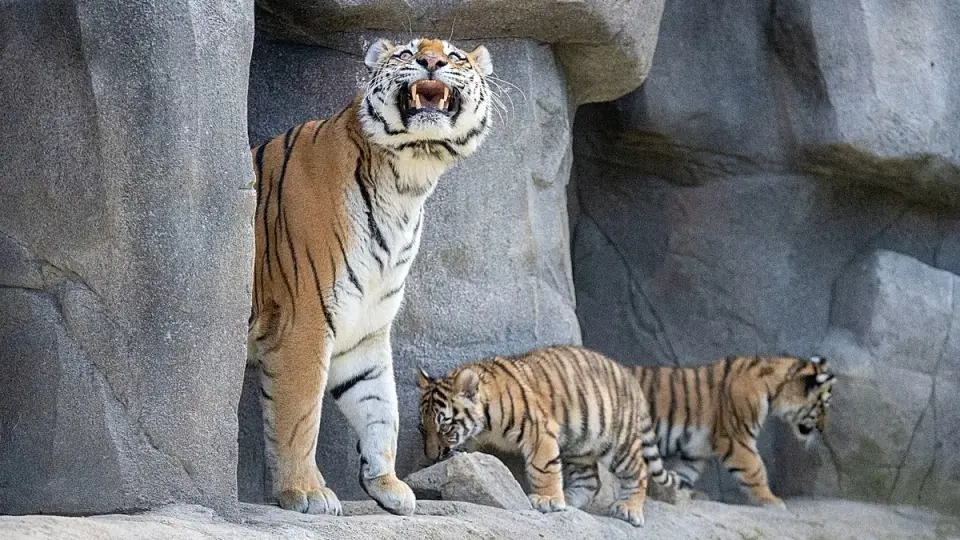
US President Donald Trump faced intense backlash after posting a video of a fatal tiger attack on his Truth Social account. The clip showed William Chapman, a 23-year-old man, being mauled by a tiger at Yorkshire Wildlife Park in the UK. Chapman died at the scene after entering the enclosure. Trump’s post, captioned 'Don't ever mess with nature!', was shared by the White House and followed by AI-generated content. The victim’s family requested privacy, citing severe distress from the circulation of the footage. The incident has reignited debates about the ethics of sharing graphic violence and the use of AI in political communication.
Key points
- Donald Trump posted a 41-second video of William Chapman being attacked by a tiger on Truth Social on Tuesday, October 13, 2026.
- Chapman, 23, died at Yorkshire Wildlife Park near Doncaster, UK, after entering the enclosure of a tiger named Altai on Saturday.
- The White House 'Rapid Response 47' account reposted the video on X, where users called it 'disgusting' and 'sick'.
- Trump followed the real footage with AI-generated videos of lion attacks and a clip of himself wrestling a tiger.
- Chapman’s family released a statement describing him as 'warm and engaging' but noted he suffered from significant mental illness.
- The family asked the public to stop sharing the video, stating it caused severe distress during a vulnerable time.
Background
This incident follows a pattern of Trump using social media for controversial content, including previous AI-generated memes mocking marginalized groups. In September 2026, Trump rejected AI guardrails, claiming only a 'high IQ' president is needed as a safeguard. The current backlash mirrors earlier criticism over an image depicting him as Jesus Christ, which he deleted after religious groups objected. The family of Chapman, a former child actor, has emphasized his mental health struggles, a detail highlighted by BBC and The Guardian.
How outlets are covering it
Euronews and Rolling Stone emphasize the political and social media strategy aspects, noting Trump’s use of AI and the 'memetic warfare' approach. The BBC and The Guardian focus on the human element, detailing Chapman’s background as a former child actor and his family’s request for privacy. The Guardian highlights expert opinions that zoos cannot prevent all breaches, while the family’s statement stresses the impact of the video’s circulation. Rolling Stone contextualizes the post within broader political issues, including gas prices and the Iran war, suggesting the video may be a distraction from midterm election concerns. All sources agree on the factual details of the attack and the family’s distress, but differ in emphasis: some focus on the ethical implications of the post, while others focus on the safety of wildlife parks.
Why it matters
The incident highlights the growing tension between political communication strategies and public sensitivity to graphic content. It underscores the risks of using AI-generated and real violent footage for political gain, potentially normalizing such content. The family’s distress and the public backlash may lead to increased scrutiny of social media platforms and political figures regarding the dissemination of traumatic content. Additionally, it raises questions about the mental health of individuals involved in such incidents and the role of zoos in preventing accidents.
What to watch
The coroner will determine if Chapman’s mental illness played a role in his death. Doncaster Council will continue its health and safety investigation into the park. The White House may face further criticism or take down the posts if backlash persists. The family may seek legal action if the video continues to circulate. Trump may continue using AI-generated content for political messaging, potentially facing more backlash. The incident may influence discussions on AI regulation and social media ethics in the US and UK.
- Trump faces backlash after posting 'sick' video of UK man killed by tiger Euronews
- Trump Shares Bizarre AI Tiger Video In Late-Night Spree After Posting Fatal Attack Footage Forbes
- Family pays tribute to 'warm and engaging' man killed in tiger attack BBC
- Man killed by tiger at Yorkshire Wildlife Park named The Guardian
- Why Is the President Posting Videos of Animals Mauling People? Rolling Stone
Want the full story? Read the original reporting
Read on Euronews