
UK Commits to Time-Bound Slavery Dialogue, Rejects Reparations
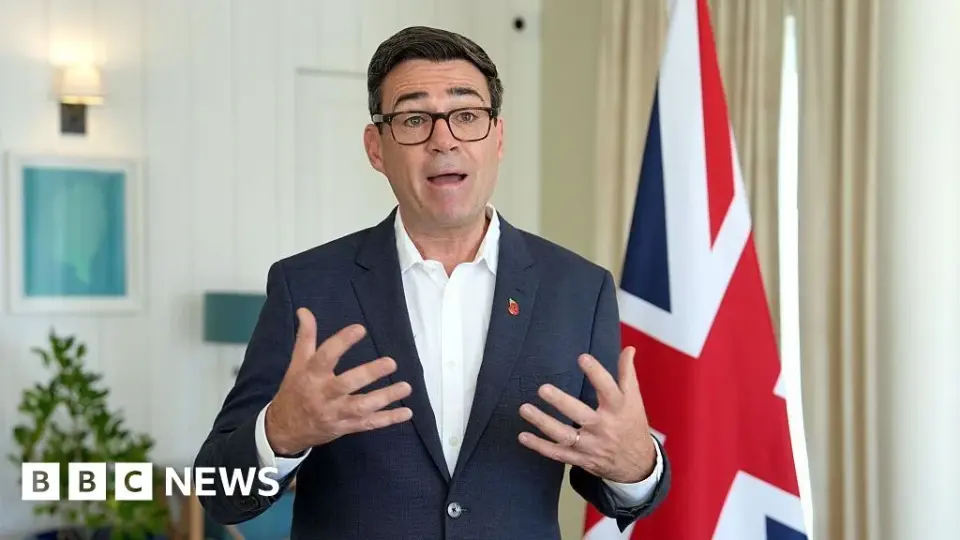
UK Prime Minister Andy Burnham has agreed to structured, time-bound talks with Caribbean nations regarding the transatlantic slave trade. While the government rules out financial reparations, it proposes debt restructuring and infrastructure aid. Critics argue this approach lacks the agency and compensation demanded by affected communities.
Key points
- The Commonwealth Heads of Government Meeting concluded with a communique welcoming the UK’s commitment to a 'structured, time-bound, inclusive and good-faith' dialogue on historical harms.
- Prime Minister Andy Burnham signaled openness to a formal apology but explicitly rejected monetary reparations, proposing instead debt resets and £40m in infrastructure investment for the Caribbean over three years.
- Foreign Secretary Ed Miliband indicated the dialogue could conclude within a year, potentially aligning with the G20 summit in Manchester in November 2027.
- Antigua and Barbuda’s Prime Minister Gaston Browne praised Burnham’s courage but emphasized that reparations must remain part of the dialogue, noting the region would not make 'unreasonable demands'.
- The UK government asserts that the apology process will not incur direct financial costs for taxpayers, framing the move as a sign of strength rather than weakness.
Background
This development follows the opening of the Commonwealth Heads of Government Meeting in Antigua and Barbuda, where King Charles III expressed sorrow over the slave trade but stopped short of a formal apology. Previous coverage highlighted tensions between the UK’s offer of development aid and the Caribbean Community’s demand for monetary compensation and debt cancellation, as outlined in their 10-point reparations plan.
How outlets are covering it
The BBC and The Guardian report on the formal commitment to dialogue, but they highlight different emphases. The BBC focuses on the diplomatic language of the communique and the UK government’s stance that the process is urgent but not yet dated. The Guardian provides a more critical view, quoting reparations advocates like Ralph Gonsalves and Bell Ribeiro-Addy, who argue that replacing reparations with development assistance is insufficient and that the process must center the agency of affected communities. The Telegraph source was inaccessible due to a security block, so its perspective could not be synthesized.
Why it matters
The outcome of these talks will define the UK’s approach to historical accountability and its relationship with Commonwealth nations. A formal apology without financial reparations may satisfy some diplomatic goals but risks failing to address the core demands of reparations movements, potentially leaving historical grievances unresolved and affecting future international cooperation on debt and climate issues.
What to watch
The UK and Caribbean nations are expected to establish the framework for the dialogue by the end of 2026 or early 2027. The government aims to conclude the talks within a year, potentially before the G20 summit in Manchester in November 2027. The next step involves determining whether the dialogue will result in a formal apology and how the issue of reparations will be addressed within the agreed framework.
- UK commits to 'time-bound' talks on slavery apology BBC
- King Charles Says U.K.’s Role in Slave Trade ‘Fills My Heart With Horror’ The New York Times
- UK and Caribbean to begin ‘dialogue’ within next year after slavery reparations call The Guardian
- Burnham is reviving two of the worst ideas in history The Telegraph
- UK agrees to talks on harms of the transatlantic slave trade - but PM rules out reparations Sky News
Want the full story? Read the original reporting
Read on BBC