
UK Ethics Chief Steps Back After 2002 Police Misconduct Sanction Resurfaces
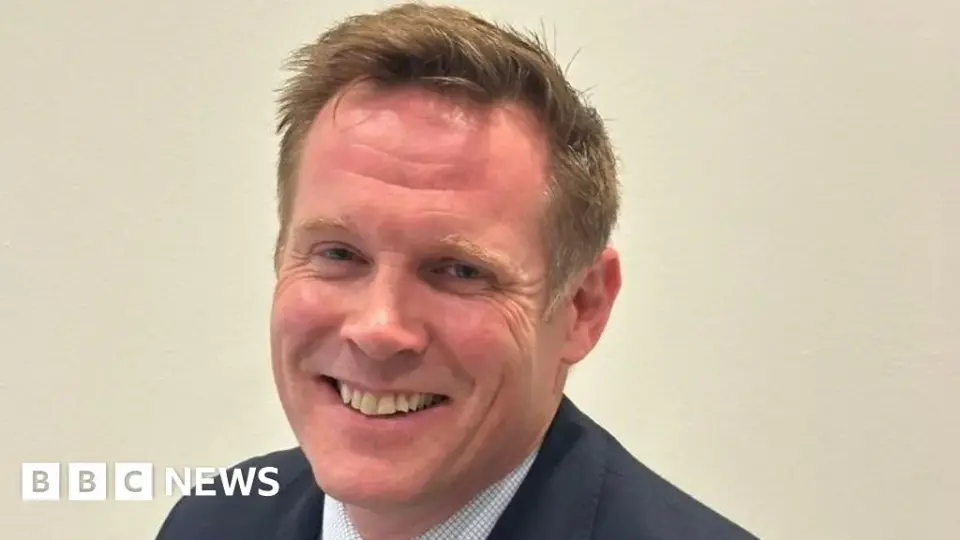
Stuart Sterling, the inaugural chief executive of the UK’s Ethics and Integrity Commission, has stepped back from his role following reports that he was sanctioned for sexual misconduct during his time as a police officer. The allegations, first detailed by The Sunday Times, concern an incident in 2002 where Sterling was suspended and later fined two weeks’ pay after admitting to inappropriately touching a female colleague. A second allegation from 2008, which Sterling denies, reportedly led to his voluntary departure from Northamptonshire Police. The Cabinet Office is now conducting a fact-finding inquiry into the appointment process and the historical records.
Key points
- Stuart Sterling stepped back from his position as chief executive of the Ethics and Integrity Commission (EIC) on November 14, 2026, pending a Cabinet Office inquiry.
- The Sunday Times reported that Sterling was subject to a full misconduct hearing in 2003 while serving with Northamptonshire Police, resulting in a suspension and a fine equivalent to two weeks’ pay.
- The 2002 incident allegedly involved Sterling placing his hands on a female colleague’s breasts; a male witness reported the event, leading to the disciplinary action.
- A second allegation from 2008, which Sterling denies, reportedly prompted his voluntary exit from the police force, though his representative claims he was not under formal investigation at the time.
- The Cabinet Office confirmed that Sterling has stepped back while officials 'swiftly establish the facts,' with no final employment decision or resignation announced as of November 15, 2026.
Background
The Ethics and Integrity Commission was established in October 2025 to replace the Committee on Standards in Public Life, a move promised in the Labour Party’s 2024 manifesto to address scandals from the pandemic era. Sterling, who holds an OBE for his role in Queen Elizabeth II’s 2022 funeral, was appointed as the body’s first chief executive. This incident follows a broader period of scrutiny regarding vetting processes in UK public life, including recent controversies involving other high-profile appointments and misconduct allegations in the media and comedy sectors.
How outlets are covering it
BBC and The Independent emphasize the severity of the 2002 sanction and the fact that Sterling admitted wrongdoing at the time, noting he was moved to a different station and later promoted. Fish4News highlights the procedural distinction between the police disciplinary process and criminal prosecution, stressing that no criminal conviction exists and that the Cabinet Office has not yet determined if due diligence failed. The Independent notes that Sterling’s representative claims he left the police voluntarily and was unaware of any anti-corruption investigation. In contrast, the Geosirius analysis (secondary source 3) frames the incident as a systemic failure in civil service vetting, arguing that fragmented paper records and 'voluntary exit' loopholes allowed historical misconduct to bypass modern integrity checks, thereby undermining the credibility of the new watchdog.
Why it matters
The case raises significant questions about the robustness of background checks for senior civil service appointments, particularly for roles dedicated to enforcing ethical standards. If the Cabinet Office determines that relevant historical misconduct records were not disclosed or properly vetted, it could trigger a wider review of recruitment protocols across government departments. The outcome will also test the public’s trust in the newly formed Ethics and Integrity Commission, which was created to restore confidence in public life after previous scandals.
What to watch
The Cabinet Office is currently establishing the facts regarding the historical police records and the vetting process used for Sterling’s appointment. The outcome will determine whether Sterling resigns or is dismissed, and whether the government initiates a broader review of due diligence practices for senior appointments. No final decision has been announced as of November 15, 2026.
- UK ethics watchdog chief steps back from role over sexual misconduct claims BBC
- Government ethics boss accused of sexually assaulting police colleague The Times
- Government ethics chief accused of groping former police colleague’s breasts The Independent
- Stuart Sterling steps back from UK ethics commission amid sexual misconduct allegations fish4news.co.uk
- Why The Uk Ethics Chief Scandal Exposes A Broken System ИФЗ РАН
Want the full story? Read the original reporting
Read on BBC