
UK Green Party adopts 'Zionism is racism' policy, triggering Israeli ban and legal threats
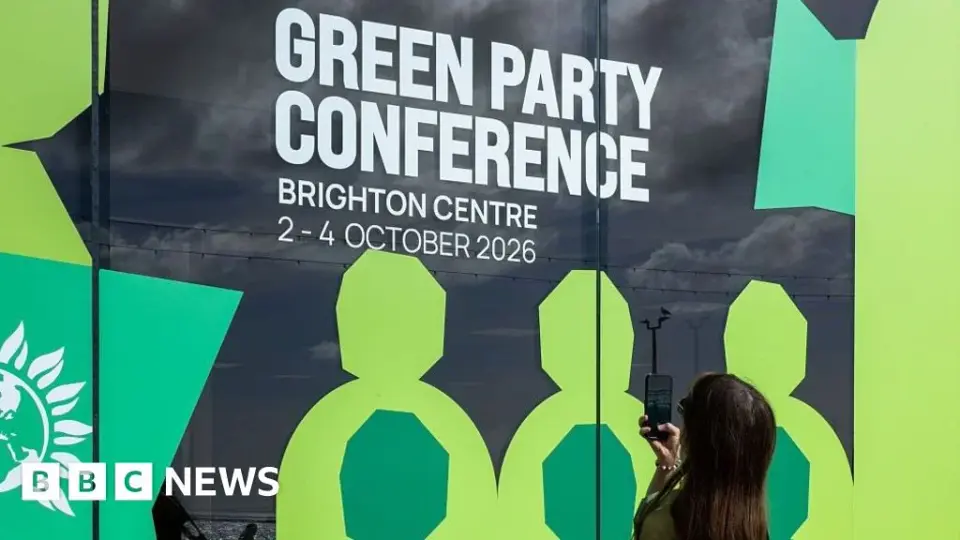
The UK Green Party has formally adopted a policy defining Zionism as racism, making it the first mainstream European party to do so. The motion, which calls for a single democratic Palestinian state, passed by 1,022 votes to 813 at the party’s Brighton conference. Israel’s foreign ministry responded by banning party leader Zack Polanski from entering the country, while Jewish groups and opposition parties condemned the move as antisemitic. Legal experts suggest the policy may breach the Equality Act 2010.
Key points
- The Green Party passed a motion declaring Zionism a form of racism and supporting a single democratic Palestinian state in historic Palestine.
- Israel’s foreign ministry banned Green Party leader Zack Polanski from entering the country, calling the motion a 'clear antisemitic text.'
- Four of the party’s five MPs opposed the motion, with some warning it could alienate Jewish members and violate equalities legislation.
- Polanski did not vote, citing a by-election campaign, but declined to condemn the motion, stating that displacing Palestinians is racist.
- Jewish organizations, including the Board of Deputies of British Jews, labeled the motion an attack on the Jewish community and a source of hatred.
Background
This development follows previous internal Green Party tensions, such as the 2026 controversy involving deputy leader Mothin Ali’s rental properties, which highlighted divisions between party policy and leadership actions. The current motion exacerbates these internal fractures, particularly between the party’s newly enlarged membership base and its elected MPs.
How outlets are covering it
BBC and The Guardian report on the internal party divisions, noting that while Polanski did not vote, his refusal to condemn the motion drew criticism. The Guardian highlights legal risks, citing barrister Adam Wagner KC, who argues the motion may contravene the Equality Act 2010. Al Jazeera and The Jerusalem Post emphasize the international backlash, detailing Israel’s diplomatic response and the condemnation from global Jewish leaders. The Jerusalem Post notes that the Green Party is now the first mainstream European party to adopt such a stance, while The Guardian points out that the motion was pushed by a group called Greens for Palestine, which encouraged non-members to join the party to ensure the vote.
Why it matters
The adoption of this policy marks a significant shift in UK political discourse, potentially impacting the Green Party’s relationship with Jewish communities and its standing in broader UK politics. It may also lead to legal challenges and further international diplomatic tensions, particularly with Israel. The internal divisions within the Green Party could affect its cohesion and electoral prospects in upcoming by-elections and general elections.
What to watch
Legal challenges to the motion are expected, with some Green members consulting lawyers over potential breaches of equalities legislation. The Green Party’s leadership will likely face continued pressure to address the concerns of Jewish members and opposition parties. The motion may also influence future party policies and manifestos, although it is not guaranteed to be included in the next general election manifesto.
- Green Party members back 'Zionism is racism' motion BBC
- Green party votes to adopt policy that equates Zionism with racism The Guardian
- Israel lashes out as UK’s Green Party formally defines Zionism as ‘racism’ Al Jazeera
- Britain’s Greens have voted, shamefully, to say Zionism is racism economist.com
- UK's Greens adopt ‘Zionism is racism’ motion, become Europe’s first mainstream anti-Zionist party The Jerusalem Post
Want the full story? Read the original reporting
Read on BBC