
UK Immigration Blocks Climate Scholar Andreas Malm Ahead of Palestine Action Conference
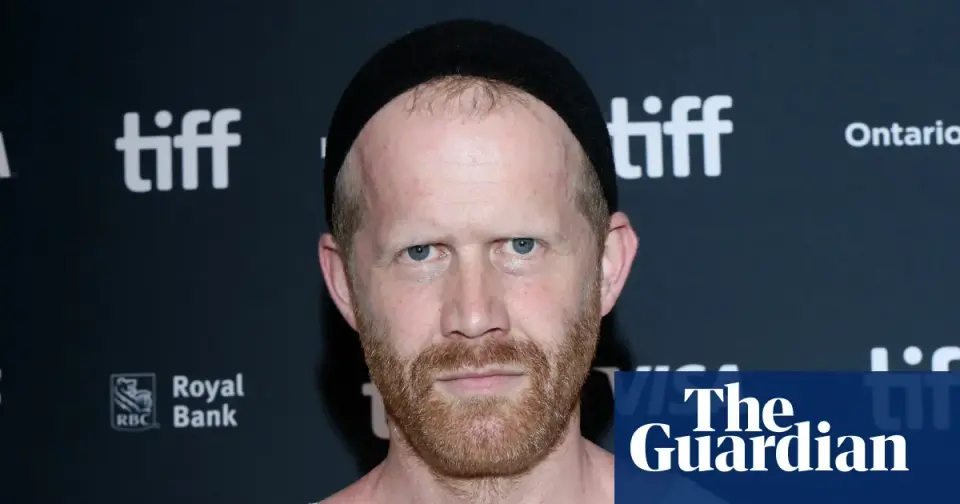
Swedish climate academic Andreas Malm was denied entry to the UK by immigration officials who deemed his presence not conducive to the public good. The ban prevents him from speaking at a Tribune magazine conference alongside Huda Ammori, a co-founder of the banned group Palestine Action. Malm called the decision scandalous, while Sally Rooney described it as cultural self-harm. The Home Office declined to comment on individual cases.
Key points
- Andreas Malm, an associate professor at Lund University and author of How to Blow Up a Pipeline, was barred from entering the UK by immigration officials.
- The decision was based on the grounds that his presence may not be considered conducive to the public good.
- Malm was scheduled to speak at a Tribune magazine conference on Washington’s global reign of terror and Britain’s role in reinforcing it.
- He was to appear alongside Huda Ammori, a co-founder of the proscribed group Palestine Action.
- The event was timed to coincide with a supreme court challenge to the ban on Palestine Action scheduled for next Wednesday.
- Malm was also due to be interviewed for BBC Radio 4’s Radical With Gabriel Gatehouse programme.
Background
This incident follows the proscription of Palestine Action and the subsequent legal and commercial fallout, including Sally Rooney’s withdrawal of her books from UK sale due to anti-terror laws. It also aligns with a broader pattern of restrictions on speakers and academics in the UK, as seen in the barring of US leftwing commentators earlier in 2026. The UN’s recent declaration of genocide in Gaza and the West Bank has intensified debates around free speech and political activism in the UK.
Why it matters
The ban on Andreas Malm highlights the escalating tension between free speech and national security in the UK, particularly regarding support for Palestine Action. It underscores the government’s use of public good clauses to restrict entry, raising concerns about the chilling effect on academic and intellectual discourse. The incident also reflects the broader impact of the Palestine Action ban on cultural and literary figures, such as Sally Rooney, and the political implications of such restrictions on international relations and domestic policy.
What to watch
Malm has urged the government to reconsider the decision, and the supreme court challenge to the Palestine Action ban is scheduled to begin next Wednesday. The outcome of this legal challenge may influence future decisions on similar cases and the broader debate on free speech and national security in the UK.
Want the full story? Read the original reporting
Read on The Guardian