
UK Net Migration Plummets to 77,000, Lowest Since 1997
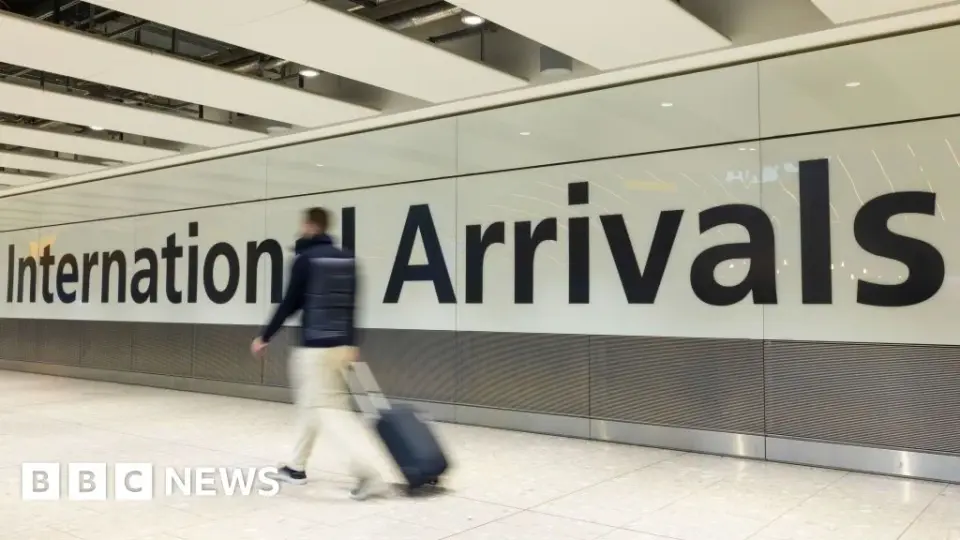
UK net migration dropped to 77,000 in the year ending June 2026, the lowest level since 1997 excluding the pandemic. The sharp decline, down from 204,000 the previous year, was driven by fewer arrivals from outside Europe in work, study, and asylum categories. Prime Minister Andy Burnham and Home Secretary Shabana Mahmood credited Labour’s policies for restoring control, while the Conservatives argued their pre-2024 restrictions were the primary cause. Asylum claims and hotel accommodations also fell significantly, though citizenship applications reached record highs.
Key points
- Net migration fell 92% from the 2023 record high of 944,000 to 77,000 in the year ending June 2026, according to the Office for National Statistics.
- Arrivals from outside Europe dropped by over 100,000, with specific decreases of 45,000 in work visas, 33,000 in student visas, and 19,000 in asylum claims.
- Asylum seekers in hotels fell 64% to 13,000, and 52 hotels dedicated to asylum seekers were emptied this year.
- Citizenship applications reached a record high of 320,000, and grants of indefinite leave to remain rose to a 15-year high of 240,000.
- Indians were the largest foreign nationality group for both immigration and emigration, with 44,000 arriving for work and 77,000 to study.
Background
Net migration had previously peaked at 944,000 in the year ending March 2023, often referred to as the 'Boris Wave' following Brexit and eased visa rules. The current decline follows tightening of visa rules that began under the Conservative government of Rishi Sunak and continued by the Labour government from July 2024. In 1997, net migration was 48,000, making the current 77,000 figure the lowest in nearly three decades outside of pandemic travel restrictions.
How outlets are covering it
Labour, including Prime Minister Andy Burnham and Home Secretary Shabana Mahmood, credited their government’s policies for 'restoring control' and delivering on the public’s desire for lower migration, arguing they succeeded where Conservatives failed. The Conservatives, via shadow home secretary Chris Philp, argued that restrictions introduced before the 2024 election were the primary driver of the fall and called for a legally binding annual cap. Reform UK’s Zia Yusuf dismissed the figures as 'no cause for celebration,' citing ongoing strain on public services. The Green Party and Liberal Democrats criticized the 'harsh environment' for migrants, while Oxford University’s Ben Brindle noted the drop may be temporary due to high emigration and warned of potential fiscal costs from reduced skilled worker visas.
Why it matters
The figures represent the first time UK net migration has been in the tens of thousands since David Cameron’s 2010 pledge, a target his government never met. The drop is seen as a political boost for Labour ahead of future elections, potentially blunting the appeal of anti-immigration parties like Reform UK. However, rising citizenship applications and ILR grants suggest that long-term population growth may continue despite the headline net migration drop.
What to watch
The government plans to implement further reforms through the Immigration and Asylum Bill, including stricter standards for indefinite leave to remain and English proficiency checks. Analysts expect net migration could fall further next year due to high emigration, but warn the downward trend may not be sustained. The Home Office aims to more than double the capacity of Campsfield Immigration Removal Centre, and the EU is finalizing a Rwanda 'return hub' pilot for 2027 to process rejected asylum seekers.
- UK net migration at lowest level since 1997 as asylum claims also fall BBC
- Net Migration to U.K. Falls to Lowest Level Since 1997, Excluding Pandemic The New York Times
- Shabana Mahmood is a winner Yahoo
- U.K. net migration falls to lowest since 1997; Indians largest foreign group entering and leaving the country The Hindu
- Net migration falls to lowest level in 30 years The Times
Want the full story? Read the original reporting
Read on BBC