
UK PM Burnham breaks precedent by confirming Russian interference in 2016 Brexit vote
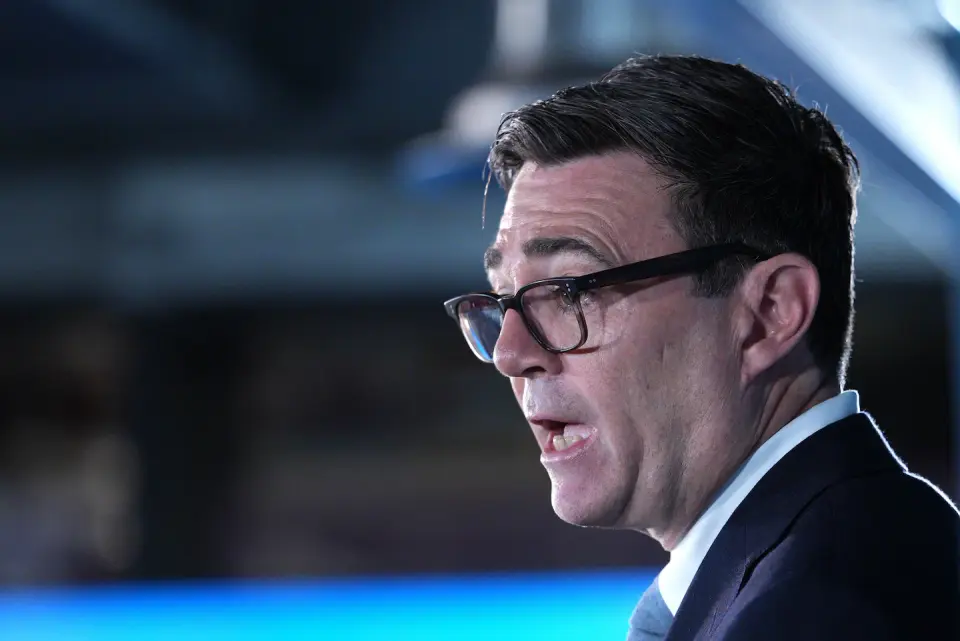
UK Prime Minister Andy Burnham has become the first British leader to explicitly state that Russia interfered in the 2016 Brexit referendum. Speaking on a podcast, Burnham said intelligence sources provided a 'clear answer' that Moscow attempted to influence the vote, marking a sharp departure from previous Conservative governments that denied such interference. The admission has triggered fierce backlash from pro-Brexit figures, including Nigel Farage, who called the PM a liar, while officials scrambled to clarify that the government does not seek to overturn the referendum result. Burnham linked the historical admission to current concerns about Russian disinformation campaigns targeting elections in Germany and France.
Key points
- Andy Burnham stated that he asked about Russian interference in the 2016 referendum upon taking office in July and received a 'clear answer' that it occurred.
- This is the first time a UK Prime Minister has publicly confirmed Russian meddling in the Brexit vote, reversing previous government positions that cited a lack of evidence.
- Nigel Farage and pro-Brexit groups, including Britain Unbound, condemned the remarks as an insult to voters and an attempt to undermine the referendum's legitimacy.
- Burnham warned that similar Russian disinformation campaigns are currently targeting political processes in Germany and France, urging European voters to recognize foreign interference.
- Downing Street clarified that the statement was not an attempt to reject the 2016 result but a warning about ongoing threats to democratic institutions.
Background
In 2020, the UK Parliament's Intelligence and Security Committee published a report criticizing successive governments for failing to fully assess or counter Russian interference, though it did not definitively conclude that the 2016 referendum result was influenced. The Conservative government at the time stated it was 'almost certain' that Russian actors interfered in the 2019 general election. Recently, Burnham has advocated for closer UK-EU ties, suggesting the current Brexit settlement has caused 'more harm than good,' and announced plans to establish a new center to combat disinformation.
How outlets are covering it
The Washington Post and AP News reported the controversy as a significant political rupture, noting that Burnham's remarks sparked fury and required official clarification to prevent the perception that the government was rejecting the referendum outcome. The BBC highlighted the lack of specific details provided by Burnham regarding the nature of the interference, while noting the 2020 parliamentary report that criticized previous governments for failing to assess the threat. The Guardian, through a satirical column, mocked the claim as absurd and highlighted Nigel Farage's intense personal reaction, framing the incident as part of a broader political marginalization of Farage by the current government. All sources agreed that this was the first explicit confirmation by a sitting UK Prime Minister, contrasting it with previous denials or non-committal stances by Conservative leaders.
Why it matters
This admission shifts the UK's official stance on historical foreign interference, potentially influencing how European allies view the UK's democratic resilience. It also provides a new narrative for Burnham's push for closer EU relations, framing Brexit as a potential victim of foreign manipulation rather than a sovereign choice. The controversy highlights the ongoing tension between acknowledging foreign threats and respecting the democratic mandate of past referendums, a debate likely to intensify as elections approach in Germany and France.
What to watch
Expect continued political debate in the UK Parliament regarding the legitimacy of the 2016 referendum and the government's approach to disinformation. Burnham is likely to continue pressing for closer EU ties and the establishment of the new disinformation center. Pro-Brexit parties may use the controversy to rally support by framing the government as undermining democratic sovereignty. International observers will watch how this admission affects UK-EU relations and the perception of British democratic stability in Europe.
- U.K. prime minister accuses Russia of meddling in Brexit vote The Washington Post
- UK PM Burnham says Russia interfered in 2016 Brexit vote Reuters
- Burnham says it is 'clear' Russia interfered with Brexit vote BBC
- If Russia had interfered with the Brexit vote, Nige would have been the first to know The Guardian
- UK prime minister say it is ‘clear’ Russia interfered in 2016 Brexit referendum AP News
Want the full story? Read the original reporting
Read on The Washington Post