
UK threatens total visa ban on Eritrea over refusal to accept deportees
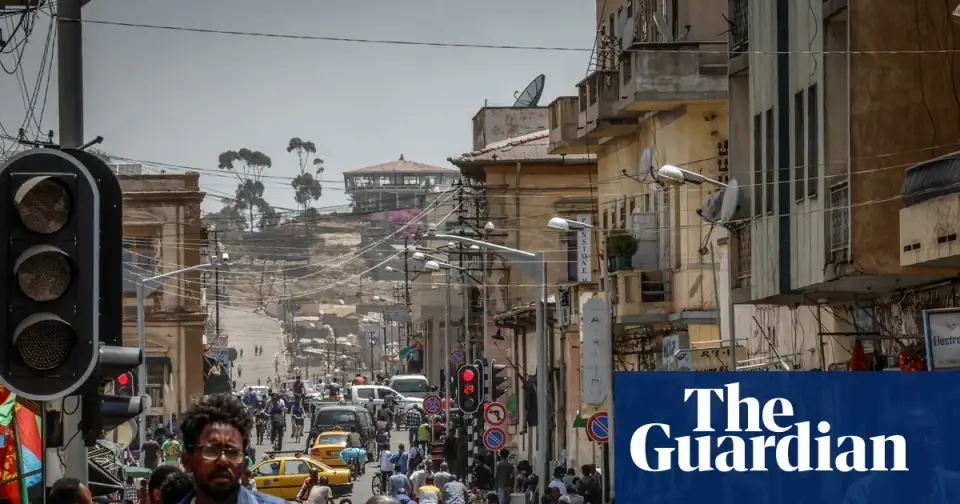
UK Home Secretary Shabana Mahmood has threatened to ban all Eritrean citizens from entering Britain unless Asmara resumes accepting rejected asylum seekers and criminals. The dispute follows Eritrea's withdrawal of cooperation earlier in 2026. While the UK cites 18% of small-boat arrivals being Eritrean, experts note that most Eritrean asylum claims are successful, making deportations rare. The move is part of a broader UK strategy to pressure African nations, following similar threats against Angola, Namibia, and the DRC.
Key points
- UK Home Secretary Shabana Mahmood warned that a complete visa ban for Eritreans could be imposed if the country does not accept more returns of rejected asylum seekers and foreign national offenders.
- Eritrea has already faced initial restrictions, including limits on diplomatic travel beyond 60km from London and the suspension of fast-track visas for officials, effective from Thursday.
- Eritreans accounted for 18% of small-boat arrivals to the UK in the 12 months ending June 2026, making them the most common nationality in that category.
- The UK government states that Eritrea abruptly withdrew cooperation on migrant returns earlier in 2026, while Eritrea accuses the UK of failing to engage in meaningful dialogue and misrepresenting the nature of previous returns.
- Only seven Eritreans were returned to their home country from the UK in the past year, despite over 5,800 arriving via small boats, highlighting the difficulty of enforcement due to high asylum success rates.
- The UK has previously used visa threats to secure cooperation from Angola, Namibia, and the Democratic Republic of Congo, with measures against the latter being lifted after improved cooperation.
Background
This dispute occurs against a backdrop of escalating tensions in the Horn of Africa. In early October 2026, Ethiopia and Eritrea severed diplomatic ties following renewed fighting in Ethiopia's Tigray region, with both nations accusing each other of aggression and supporting rebel groups. The UK's visa threat coincides with these regional instability issues, though the primary focus of the current UK-Eritrea row is migration cooperation rather than the broader geopolitical conflict. Previous UK coverage in October 2026 had already signaled potential restrictions, marking this as an escalation of that earlier warning.
How outlets are covering it
The Guardian and BBC emphasize the repressive nature of Eritrea's regime, citing arbitrary detention, lack of elections since 1993, and severe restrictions on freedom of expression and religion. They highlight that Eritreans are the most common small-boat arrivals but note that 84% of their asylum claims are successful, suggesting that a visa ban may have limited practical impact on deportations. Business Insider Africa focuses on the UK's strategic use of visa leverage, noting that similar threats against Angola and Namibia led to improved cooperation, while measures against the DRC were lifted. The Eritrean government, as reported by the BBC, dismissed the UK's move as a 'perfunctory political gimmick,' claiming the UK had not issued visas to Eritrean officials since 2023, a claim the Home Office denies. The Telegraph source was inaccessible due to a security block, so its perspective could not be synthesized.
Why it matters
The potential visa ban signals a shift in UK migration policy, using diplomatic leverage to force cooperation from countries with high asylum success rates. It highlights the tension between human rights concerns regarding Eritrea's authoritarian regime and the UK's domestic pressure to reduce small-boat arrivals. The move may set a precedent for future UK engagements with other African nations, potentially affecting trade and diplomatic relations. Additionally, the dispute underscores the complexity of migration enforcement, where high asylum success rates limit the effectiveness of deportation-based cooperation.
What to watch
The UK government is likely to monitor Eritrea's response to the initial diplomatic restrictions, with a potential escalation to a full visa ban if cooperation does not resume. Eritrea may continue to reject the UK's demands, citing its own diplomatic grievances. The UK may also explore alternative migration deals, such as the recently announced agreement with Egypt, to reduce reliance on Eritrean cooperation. Regional tensions in the Horn of Africa, particularly the Ethiopia-Eritrea conflict, may further complicate diplomatic relations and migration flows in the region.
- Repressive, secretive and highly militarised: Eritrea, the east African country facing UK visa ban threat The Guardian
- UK threatens to ban Eritreans over migrant return policy BBC
- Eritrea rejects Shabana Mahmood’s demands to take back its migrants The Times
- UK targets 4th African nation with visa ban threat to force acceptance of deportees Business Insider Africa
- Mahmood to block Eritrean visas in row over migrant returns The Telegraph
Want the full story? Read the original reporting
Read on The Guardian