
Fedorov’s Wartime Election Call Marks First Major Political Challenge to Zelenskyy Since 2022
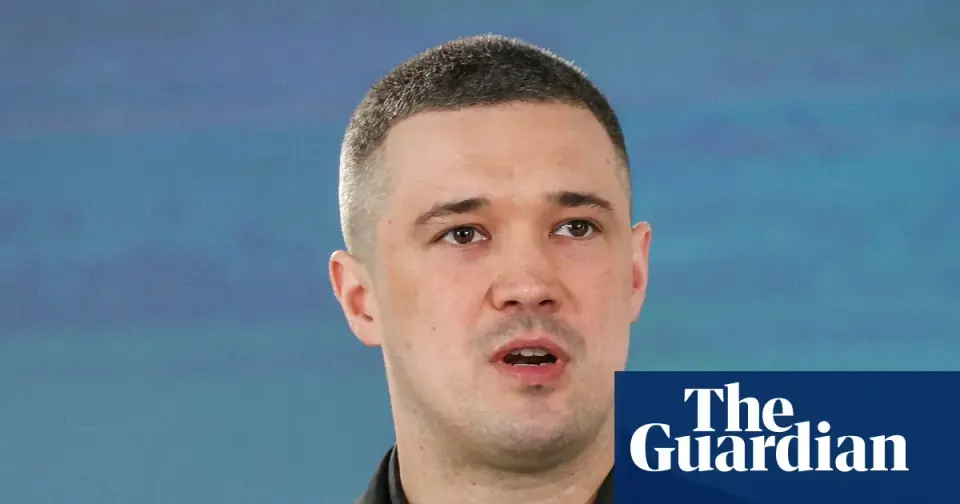
Former Ukrainian defence minister Mykhailo Fedorov has called for a wartime presidential election, marking the most direct political challenge to President Volodymyr Zelenskyy since Russia’s 2022 invasion. In a video address, Fedorov argued that democracy cannot be held hostage by Russia and criticized the current government for corruption and a 'systemic crisis of governance.' This follows his abrupt dismissal in July, which sparked mass protests and the subsequent sacking of army commander Oleksandr Syrskyi. While Zelenskyy has nominated acting defence minister Yevhen Khmara to replace Fedorov, Fedorov has rejected other cabinet positions, insisting he will only return as defence minister. Polling indicates Fedorov could defeat Zelenskyy in a runoff, though legal and logistical barriers remain significant.
Key points
- Fedorov called for a wartime presidential election, stating that Ukraine must restore a full democratic process despite the ongoing war.
- The call for elections is the first major political challenge to Zelenskyy since the start of the full-scale invasion in 2022.
- Fedorov was dismissed in July after a falling out with army commander Oleksandr Syrskyi, leading to protests that resulted in Syrskyi’s sacking.
- Zelenskyy has nominated acting defence minister Yevhen Khmara for the permanent role, with a parliamentary vote expected on Wednesday.
- Polling shows Fedorov would defeat Zelenskyy in a runoff, though he currently trails in the first round behind Zelenskyy and Valerii Zaluzhnyi.
- Ukraine’s constitution prohibits elections during martial law, and logistical challenges include displaced populations and occupied territories.
Background
Fedorov, 35, served as Ukraine’s digital minister from 2019 until January 2026, where he pioneered drone warfare and cyber-operations. He was appointed defence minister in January 2026, where he focused on data-driven reforms and procurement transparency. His dismissal in July triggered widespread protests, leading to the sacking of army commander Oleksandr Syrskyi. Zelenskyy subsequently appointed Yevhen Khmara as acting defence minister. Fedorov has rejected other cabinet positions, insisting he will only return as defence minister. The current political crisis has raised questions about the stability of Zelenskyy’s government and the future of Ukraine’s democratic processes during the war.
How outlets are covering it
The Guardian and CNN emphasize Fedorov’s call for elections as a direct challenge to Zelenskyy, highlighting the 'systemic crisis of governance' and corruption. BBC focuses on Fedorov’s achievements in drone warfare and his refusal to accept other cabinet positions. Politico.eu highlights the constitutional barrier of martial law and Fedorov’s argument that Putin should not decide when Ukrainians can choose their government. Analysts like Artem Bronzhukov question the practicality of holding elections during active warfare, while polling suggests Fedorov could defeat Zelenskyy in a runoff. The sources generally agree on the significance of Fedorov’s move but differ in their emphasis on the logistical and legal challenges versus the political implications.
Why it matters
Fedorov’s call for a wartime presidential election represents a significant shift in Ukraine’s political landscape, challenging the status quo of martial law and the suspension of elections. It highlights growing concerns about corruption and governance within the Ukrainian government and could influence future political dynamics, both domestically and in international relations. The move also tests the limits of democratic processes during wartime and may set a precedent for how Ukraine handles political transitions in the future.
What to watch
The next steps include a parliamentary vote on Wednesday to confirm Yevhen Khmara as the permanent defence minister. Fedorov may continue to push for his reinstatement or potentially run for president if elections are held. The outcome of these events will depend on the political and military situation in Ukraine, as well as the response from Zelenskyy and the international community. The practicality of holding elections during wartime remains a significant challenge, with logistical and legal barriers to be addressed.
- Ukraine’s dismissed defence minister calls for wartime presidential election The Guardian
- Sacked Ukrainian defence minister calls for presidential election BBC
- Ukraine’s ousted defense minister calls for wartime elections in bombshell address CNN
- Ousted Ukrainian defense chief Fedorov demands elections in challenge to Zelenskyy politico.eu
- Ukraine’s ousted defence minister calls for wartime election Financial Times
Want the full story? Read the original reporting
Read on The Guardian