
U.S. Lawmakers Demand Accountability After Settlers Beat Washington Post Photographer in West Bank
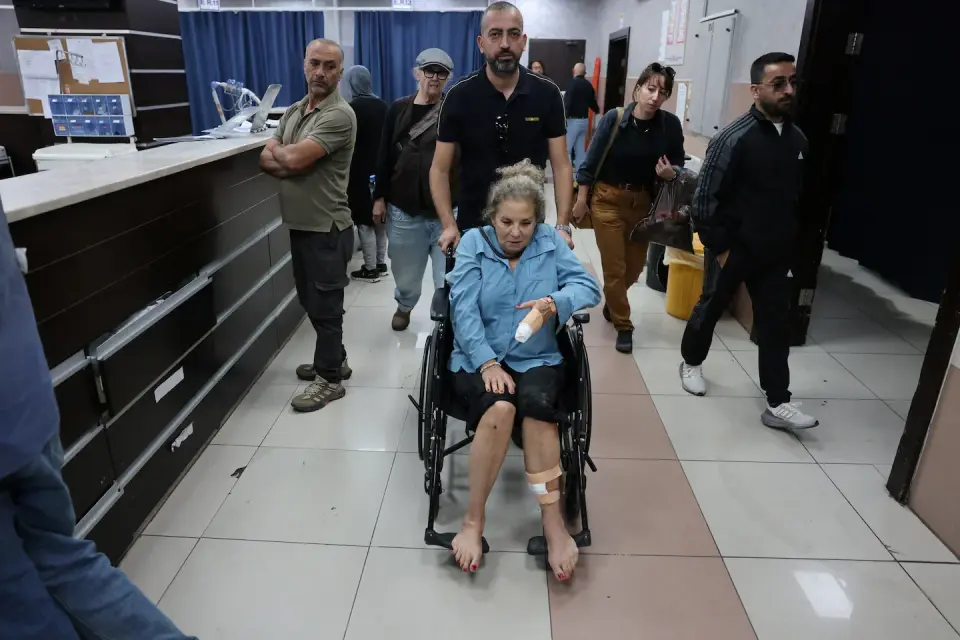
On October 16, 2026, masked Israeli settlers attacked Washington Post photojournalist Heidi Levine and Palestinian olive farmers near Abu Falah in the West Bank. Levine, 64, was kicked approximately 50 times and stripped of her equipment despite wearing visible press gear. U.S. lawmakers, including Rep. Jamie Raskin, condemned the assault as 'unconscionable' and called for a formal investigation. The incident occurred during the annual olive harvest, a period marked by a surge in settler violence. While the Israeli government stated the facts were under review, the U.S. State Department demanded arrests and convictions for those responsible. The attack highlights ongoing tensions regarding press safety and settler actions in the occupied territories.
Key points
- Heidi Levine, a veteran Washington Post photojournalist, was severely beaten by masked Israeli settlers while reporting on the olive harvest near Abu Falah, West Bank.
- Rep. Jamie Raskin and other U.S. officials condemned the attack, describing it as a 'moment of reckoning' and demanding an investigation into the violence against journalists and civilians.
- The U.S. State Department called for 'investigations, arrests, and convictions' of those responsible, while the Israeli Prime Minister's office stated the facts remained unclear and were under review.
- The assault occurred during the annual olive harvest, a time of heightened settler violence; the UN reported that over 120 people have been injured in similar attacks this season.
- Witnesses reported that Israeli soldiers did not intervene to stop the beating and later fired tear gas at Palestinian farmers, raising questions about the protection of journalists in the region.
Background
This incident follows a pattern of violence against journalists in the West Bank, including an October 6 attack on AFP photographers. The broader context involves a significant increase in settler violence during the olive harvest season, with the UN documenting over 1,600 incidents this year. Previous coverage noted that new military restrictions have limited Palestinian access to agricultural land, intensifying tensions as Israeli elections approach.
How outlets are covering it
The Washington Post and U.S. lawmakers emphasized the deliberate targeting of a clearly identified journalist, framing the attack as a violation of press freedom and a failure of state protection. In contrast, the Israeli government and military described the incident as a 'violent confrontation' with unclear facts, focusing on the need for investigation rather than immediate condemnation. The BBC highlighted the broader context of settler violence during the olive harvest, noting that the attack was part of a coordinated assault on Palestinian farmers and that soldiers did not intervene to stop the violence. Both sources agree on the severity of the attack but differ in their framing of the Israeli state's responsibility and the nature of the confrontation.
Why it matters
The attack on a U.S. journalist by Israeli settlers has drawn international attention to the safety of press workers in the West Bank and the role of the Israeli state in protecting or failing to protect them. It underscores the escalating violence during the olive harvest and the potential for such incidents to influence U.S.-Israel relations and international perceptions of settler actions. The demand for accountability from U.S. officials signals a potential shift in diplomatic pressure regarding press freedom and settler violence in the occupied territories.
What to watch
The Israeli government has stated that the incident is under investigation, and the U.S. State Department has called for arrests and convictions. U.S. lawmakers are expected to push for further diplomatic action and accountability. The broader situation in the West Bank may see continued violence during the olive harvest season, with potential for increased international scrutiny of settler actions and the role of Israeli forces in protecting or failing to protect journalists and civilians.
- Congress members condemn Israeli settler attack on Washington Post photographer The Washington Post
- Palestinians and US journalist injured by Israeli settlers in West Bank harvest attack BBC
- Israeli settlers attack Palestinians and Washington Post photographer in West Bank The Washington Post
- Israeli settlers burn olive trees, injure journalist in West Bank attack Reuters
- Israeli settlers beat Palestinians and a U.S. photojournalist in West Bank attacks NPR
Want the full story? Read the original reporting
Read on The Washington Post