
Pope Leo XIV urges Rome diocese to prioritize quality over quantity in new pastoral evaluation
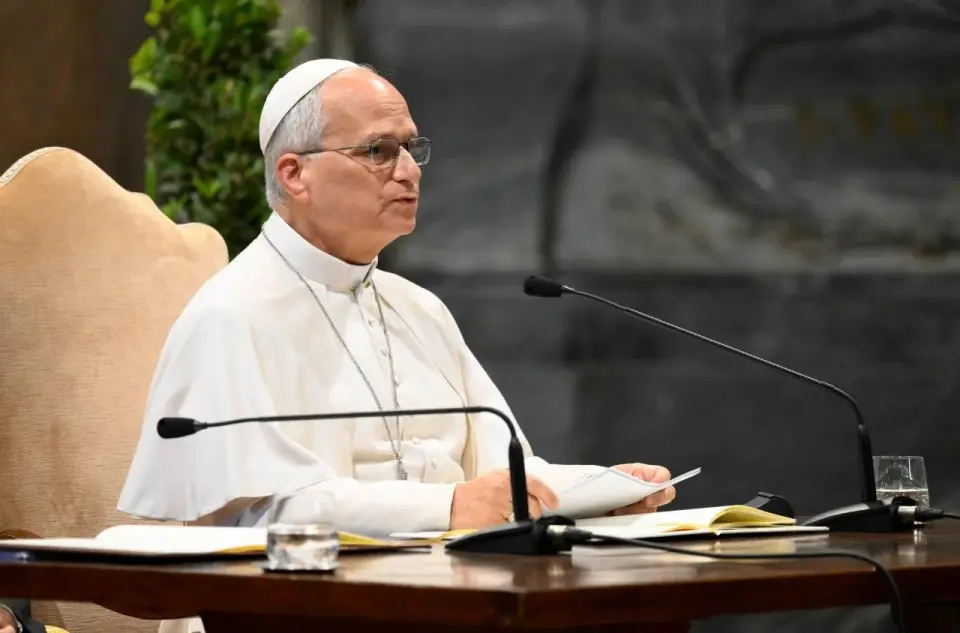
Pope Leo XIV launched the new pastoral year for the Diocese of Rome by calling for a comprehensive evaluation of existing activities rather than introducing new programs. He urged clergy and lay leaders to assess what is effective in leading people to Christ and serving the city, emphasizing that the goal is to 'do less and do it better' to avoid overburdening priests. The Pope also initiated the diocesan inquiry into the life of Don Luigi Di Liegro, founder of Rome’s Caritas, as a model for this discernment process.
Key points
- Pope Leo XIV addressed the Diocesan Assembly at St. John Lateran on September 18, 2026, proposing a method of 'pastoral evaluation' instead of a new program.
- The evaluation focuses on three priorities: encountering Christ, generating community, and serving the city of Rome, with a fourth cross-cutting focus on forming the People of God.
- The Pope emphasized that the process should not add burdens, stating it gives permission to 'do less and do it better' by discerning what works and what does not.
- He called for listening to those outside the Church and highlighted the need for priests to foster communion rather than manage all responsibilities alone.
- The Pope approved the start of the diocesan inquiry into the life of Don Luigi Di Liegro, the founder of Rome’s Caritas, linking his legacy to the new pastoral direction.
Background
This move follows Pope Leo XIV’s recent reorganization of the diocese’s governing structures and aligns with his broader emphasis on human-centric approaches, as seen in his August 2026 calls for ethical AI governance and peace. The new pastoral evaluation builds on previous synodal processes and a 2018 report on 'spiritual illnesses' in the diocese, aiming to prepare for the Jubilee of the Redemption in 2033.
How outlets are covering it
Vatican News and Infovaticana provided the full text of the Pope’s address, highlighting the theological basis in the Gospel account of Mary Magdalene and the specific questions for discernment. OSV News emphasized the practical implications for clergy, noting the Pope’s call for priests to listen before responding and the involvement of laypeople in the process. Il Messaggero focused on the critique of ecclesial self-reference, stressing the Pope’s demand for a Church that measures success by its ability to reach the city’s poor and marginalized, rather than by the number of activities. All sources agreed on the core message of prioritizing quality and encounter over quantity and structure.
Why it matters
This directive signals a shift in the Diocese of Rome’s approach from expanding activities to refining existing ones, potentially reducing clerical burnout and increasing the Church’s relevance to non-practicing citizens. It also sets the stage for a multiyear discernment process that could influence pastoral strategies across the diocese and provide a model for other churches facing similar challenges of engagement and resource allocation.
What to watch
The Diocese of Rome will implement the proposed 'pastoral evaluation' method over a multiyear journey, involving stages of listening and discernment across five areas: catechesis, youth, family, charity, and vocations. The diocesan inquiry into Don Luigi Di Liegro’s life will proceed, potentially leading to his beatification. The process aims to prepare for the Jubilee of the Redemption in 2033, with ongoing feedback from both internal communities and external observers.
- Pope calls Diocese of Rome to pastoral evaluation: ‘Do less and do it better' Vatican News
- Priests, pastoral leaders have permission to do less, do it better, pope says OSV News
- Not what, but who and how: Leo launches review in Rome aleteia.org
- A Church Closer to the People Il Messaggero
- "The Church does not exist for itself": Leo XIV calls on Rome for a pastoral approach that truly leads to Christ infovaticana
Want the full story? Read the original reporting
Read on Vatican News