
Belgian car salesman recognized as Prince Laurent's son after DNA test
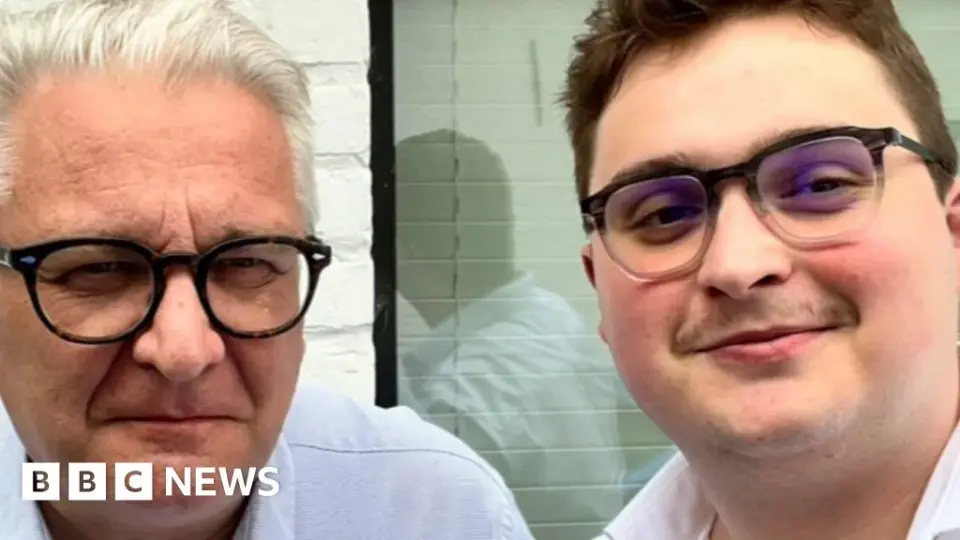
A former car salesman in Belgium has been confirmed as the son of Prince Laurent, the younger brother of King Philippe. The revelation emerged from a VTM documentary, where Clément, whose mother is Iris Vandenkerckhove, detailed how he discovered his royal parentage at age 16. After contacting Prince Laurent in 2017, the two underwent a DNA test that confirmed a 99.5% match. This case mirrors the earlier paternity scandal involving King Albert II, who acknowledged a daughter, Delphine Boël, in 2020. Under current Belgian law, only specific royals receive public allowances, and it remains unclear if the new recognition grants financial benefits to Clément.
Key points
- Clément, a former car salesman, was identified as the son of Prince Laurent after a DNA test showed a 99.5% match.
- Clément’s mother, Iris Vandenkerckhove, had a relationship with Prince Laurent before he married Princess Claire in 2003.
- Clément first met Prince Laurent in a shopping center in 2013 without knowing his identity, and only learned the truth when he was 16.
- The case echoes the 2013 abdication of King Albert II, who faced a paternity battle with artist Delphine Boël, eventually recognizing her as a princess in 2020.
- Belgian law from 2013 limits public allowances to King Philippe, King Albert II, Prince Laurent, and Princess Astrid.
Background
This development follows the 2013 abdication of King Albert II, which was influenced by a paternity scandal involving Delphine Boël. Albert II eventually recognized her as his daughter in 2020, granting her the title of princess. The current case highlights ongoing scrutiny of royal family affairs in Belgium, particularly regarding non-marital relationships and the legal recognition of children. The archive notes recent shifts in other royal families, such as the Sussexes' return to the UK, but these are unrelated to the Belgian royal lineage issues.
How outlets are covering it
The BBC provides detailed personal accounts from Clément, emphasizing the emotional journey of discovering his royal parentage and the DNA confirmation process. The Telegraph source is inaccessible due to a security block, so no comparative perspective is available from that outlet. The BBC highlights the parallel between Prince Laurent’s case and King Albert II’s earlier scandal, suggesting a pattern of royal paternity issues in Belgium. No conflicting reports are available from secondary sources due to the access issue.
Why it matters
The confirmation of Clément’s royal parentage adds another chapter to Belgium’s ongoing scrutiny of royal family affairs. It may influence public perception of the monarchy and could raise questions about the legal and financial implications for newly recognized royal relatives. The case also underscores the continued relevance of DNA testing in resolving paternity disputes within royal families, as seen in the Albert II and Delphine Boël case.
What to watch
It is unclear if Clément will receive public allowances or other royal benefits, as Belgian law limits such support to a few specific royals. Further legal or public discussions may arise regarding the rights and status of newly recognized royal family members. The Belgian monarchy may need to address how such recognitions affect the broader royal family structure and public perception.
- Belgian car salesman becomes prince after royal parentage confirmed BBC
- A Prince at 26: Once-Secret Son of Belgian Royal Gains Legal Recognition The New York Times
- Belgian prince recognises illegitimate son after 26 years The Telegraph
- Prince Laurent of Belgium’s Secret Son Officially Recognized as a Prince Yahoo
- Belgian royals quietly make former car salesman a prince The Times
Want the full story? Read the original reporting
Read on BBC