
Ukrainian Navy details multi-stage strategy to bypass Russian air defenses and destroy Crimean Bridge
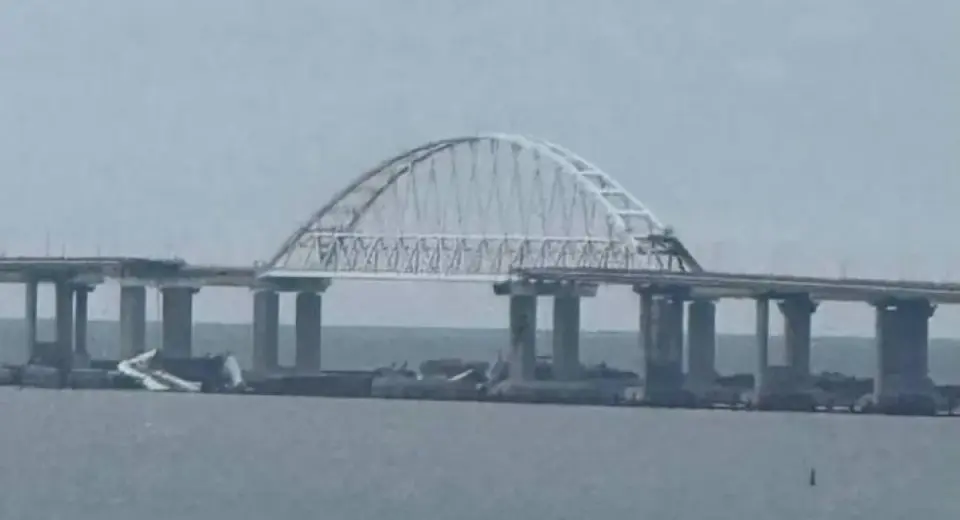
Ukrainian military officials explain that destroying the Crimean Bridge required a complex, multi-stage operation to neutralize Russian air defenses before striking the main target. While the road section was successfully collapsed, the rail section remains intact, indicating continued Ukrainian intent to fully sever the link. Western allies view the strike as a justified response to Russian aggression, while the Trump administration scrambles to force a peace deal before the US Congress shifts in January 2027.
Key points
- Ukrainian Navy spokesman Dmytro Pletenchuk stated that destroying heavily defended targets requires preparatory steps to degrade enemy air defense capabilities before the main strike.
- The operation against the Crimean Bridge involved several weeks of preparation, utilizing a variety of Ukrainian systems including 'Palianytsia' drones and 'Flamingos' without relying on Starlink communications.
- The attack successfully collapsed the road section of the bridge but failed to fully destroy the more robust rail section, which Ukrainian President Volodymyr Zelensky indicated will remain a target.
- Zelensky justified the strikes as a 'fair response' to 109 Russian attacks on Ukrainian bridges, rejecting Russian claims that the Crimean Bridge was exclusively for civilian use.
- The strike occurred amid intense diplomatic pressure from the US administration, which fears losing leverage over Ukraine and Russia once a new, potentially more hostile Congress takes power in January 2027.
Background
This development follows Ukraine's destruction of the central span of the Crimean Bridge in late November 2026, which triggered a diplomatic crisis with Russia and led to massive Russian retaliatory strikes on Kyiv. The bridge, which links mainland Russia to the annexed Crimean Peninsula, is a critical logistical and symbolic asset for Moscow. Previous coverage noted that the damage may render the bridge unreparable for years, effectively isolating Crimea from mainland Russia.
How outlets are covering it
Defense Express highlights the technical complexity of the Ukrainian operation, emphasizing that even enhanced Russian air defenses cannot guarantee protection if the enemy systematically weakens those defenses first. BBC focuses on the diplomatic fallout, noting Zelensky's justification of the strike as a proportional response and UK Defence Secretary Wes Streeting's condemnation of Russian provocations. Asia Times frames the strike within a broader geopolitical timeline, arguing that the attack is part of a larger plan to degrade Russian logistics and isolate forces in western Ukraine, while also highlighting the Trump administration's panic to secure a deal before the US Congress shifts in January 2027. The outlets differ in emphasis: Defense Express focuses on military tactics, BBC on diplomatic justification, and Asia Times on strategic and political implications.
Why it matters
The destruction of the Crimean Bridge represents a significant shift in the war, demonstrating Ukraine's ability to strike deep into Russian territory despite heavy air defense coverage. It isolates Crimea, disrupts Russian supply lines, and potentially forces a reassessment of Russian logistics. The timing of the strike, coinciding with intense diplomatic pressure from the US, suggests that Ukraine is leveraging military success to influence negotiations and resist pressure to make territorial concessions.
What to watch
Ukrainian forces are expected to continue targeting the rail section of the Crimean Bridge to fully sever the link. Russia is likely to escalate its retaliatory strikes on Ukrainian infrastructure, as seen in recent attacks on Kyiv. The US administration will continue to push for a peace deal before the new Congress takes power in January 2027, while European allies may increase support for Ukraine in response to Russian provocations.
- Ukrainian Navy Explains Why russian Air Defenses Failed to Protect Crimean Bridge Defense Express
- After Bridge Attack, Putin Says He Will ‘Not Be Negotiating’ Ukraine Cease-Fire The New York Times
- Zelensky says Crimean Bridge strikes 'fair response' as he meets UK's Streeting BBC
- As the Kerch Bridge goes down, the Ukraine war clock is ticking Asia Times
- Ukraine strains Russian logistics with Crimean bridge strikes Reuters
Want the full story? Read the original reporting
Read on Defense Express