
Retired Hepatitis B Research Chimps Receive Care in West Africa
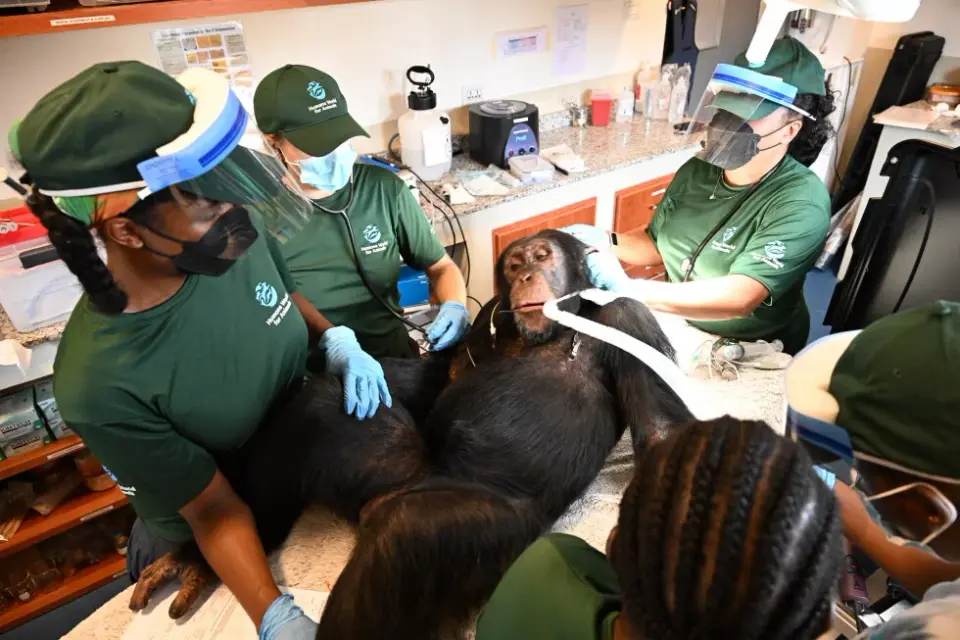
Former chimpanzees used in hepatitis B vaccine research are now receiving medical care in West Africa. The animals, averaging 30 to 35 years of age, are undergoing assessments to determine the long-term impact of past experiments. While final conclusions are pending, caretakers report visible signs of past suffering, aiming to provide these primates with a dignified second chance at life.
Key points
- Chimpanzees previously utilized for hepatitis B vaccine research are currently receiving care in West Africa.
- The average age of these primates is between 30 and 35 years old.
- Assessments are ongoing to determine the extent of the experiments' impact on the animals.
- Caretakers note visible signs of pain and hurt from past experimental procedures.
- The initiative aims to provide the chimps with a dignified life after their use in research.
Background
Recent developments in vaccine policy, such as Florida's proposal to remove hepatitis B from school entry requirements, highlight the ongoing relevance of hepatitis B research and public health strategies. While this story focuses on the ethical treatment of animals used in such research, it contrasts with current debates over human vaccination mandates and exemptions.
Why it matters
This story highlights the ethical and welfare considerations for animals used in medical research, particularly in the development of vaccines like hepatitis B. It underscores the importance of post-experiment care and the long-term impacts of scientific studies on non-human subjects.
What to watch
The final conclusions of the assessments on the chimps' health and well-being are expected to be released soon, which may influence future policies on primate research and care.
Want the full story? Read the original reporting
Read on AP News