
Aug. 12 Total Solar Eclipse: Aurora Odds, Scientific Expeditions, and Cultural Raves
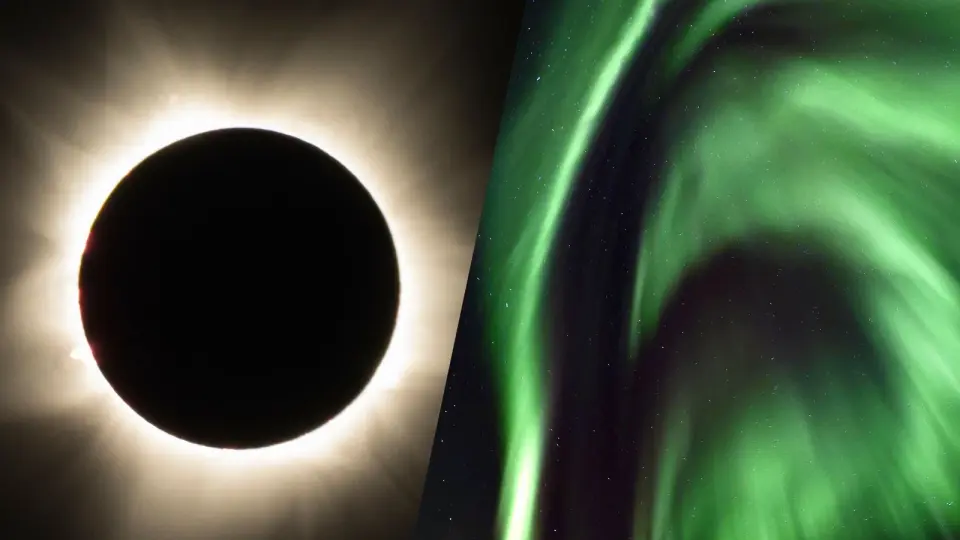
On August 12, 2026, a total solar eclipse will traverse Greenland, Iceland, and northern Spain. While the event offers a rare chance to observe the solar corona, experts note that simultaneous aurora visibility is unlikely due to twilight brightness. Meanwhile, scientific teams in Iceland and Spain face weather and fire challenges, and a major electronic music festival in Reykjavik coincides with the event.
Key points
- The eclipse path covers Greenland, Iceland, and northern Spain, with maximum duration of 2 minutes 18 seconds.
- Aurora visibility during totality is possible but improbable because the sky remains at civil twilight brightness.
- Czech scientists in Spain encountered smoke from a nearby fire, while Icelandic teams faced rain and wind.
- Delta Air Lines added flights to Reykjavik to facilitate eclipse tourism.
- Björk is hosting a 7,000-person electronic music festival in Reykjavik to coincide with the eclipse.
Background
This event is part of a rare double-header with the Perseid meteor shower peak. Previous coverage noted that citizen scientists are also broadcasting the event from Spain, and a longer total eclipse is expected in 2027.
How outlets are covering it
Space.com emphasizes the low probability of seeing auroras during the eclipse, citing twilight brightness. Czech Radio highlights the logistical challenges faced by scientific expeditions, including weather and fires. The Reykjavík Grapevine focuses on the cultural impact, specifically the large-scale music festival organized by Björk. Delta News Hub frames the event through the lens of travel logistics and tourism.
Why it matters
The event combines astronomical observation with significant cultural and economic activity, illustrating how rare celestial events drive both scientific research and mass tourism in Europe.
What to watch
Observers are advised to use certified eclipse glasses. Scientific teams will analyze data from the corona, and the music festival will proceed in Reykjavik.
- Could the northern lights be visible during the total solar eclipse on Aug. 12? Maybe. Space
- Delta connects travelers to Europe’s best eclipse-viewing destinations Delta News Hub
- Brno scientists chase total solar eclipse to Iceland and Spain english.radio.cz
- Having fun with your friends… during a solar eclipse, in front of 7,000 people The Reykjavík Grapevine
- A once-in-a-lifetime spectacle: Iceland prepares for total solar eclipse Euronews.com
Want the full story? Read the original reporting
Read on Space