
Chernobyl’s Wild Oasis: Wildlife Thrives in the Human-Free Exclusion Zone
TL;DR
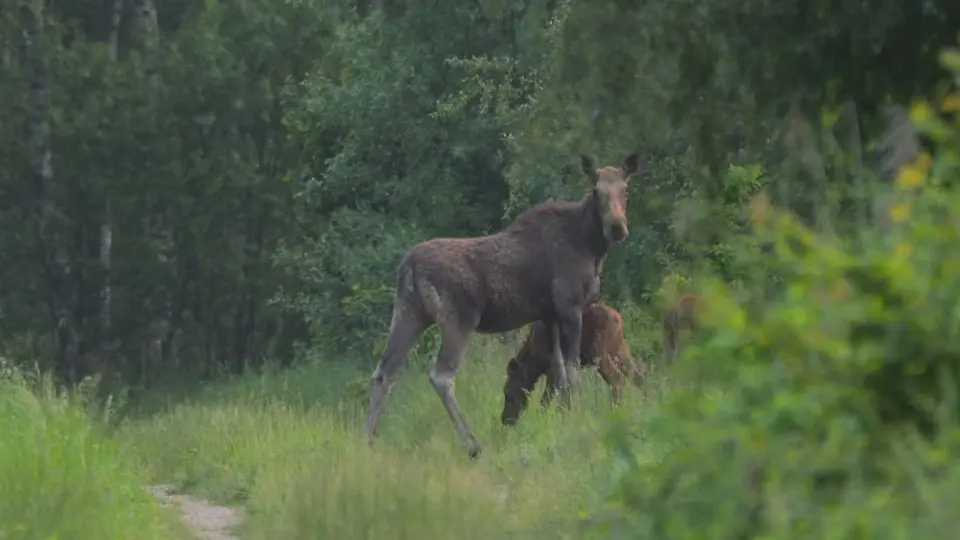
A camera-trap survey across 60,000 square kilometers in northern Ukraine finds higher wildlife occupancy and diversity in the Chernobyl Exclusion Zone and connected reserves, with species like Przewalski’s horse, moose, lynx, and deer most abundant there, suggesting reduced human activity and habitat connectivity boost large mammals; researchers note they did not assess radiation effects and access is limited by conflict; study published in Proceedings of the Royal Society B (2026).
Topics:worldscience#camera-traps#chernobyl-exclusion-zone#habitat-connectivity#protected-areas#science#wildlife
- Animals Are Thriving in Chornobyl's Human-Free Zone, Study Finds ScienceAlert
- Large mammals 'thriving' in Chernobyl exclusion zone, scientists say Yahoo
- Chernobyl disaster zone has more wildlife than Ukraine’s reserves The Independent
- The Chernobyl exclusion zone is now one of the largest wildlife sanctuaries in Europe, revealing a grim paradox: removing humans from the landscape did far more for the animals than a nuclear disaster did to harm them Space Daily
- ☢️ Forty years after the disaster, Chernobyl teems with wildlife warpnews.org
Want the full story? Read the original reporting
Read on ScienceAlert