
Leipzig Drone Probe Links Suspects to GRU and European Sabotage Network
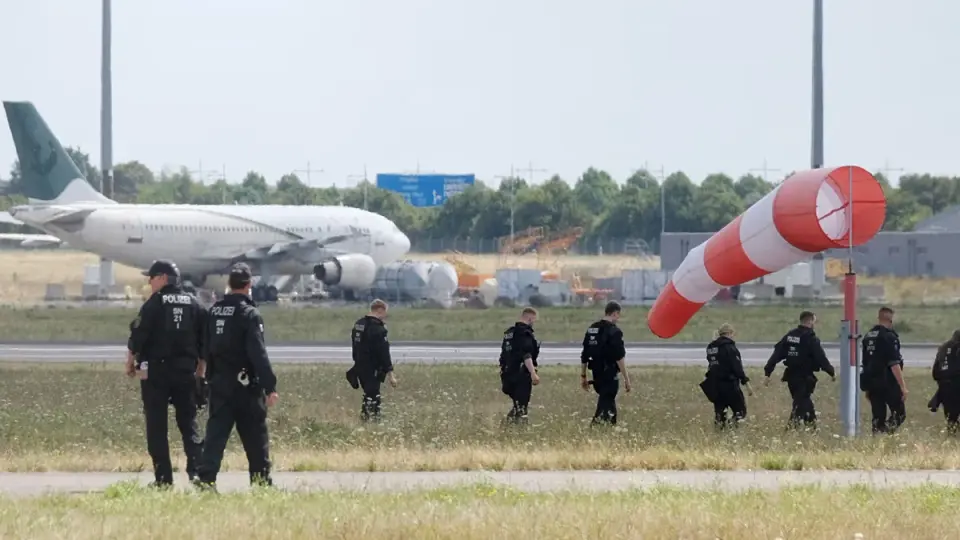
New investigative files reveal that a Russian national linked to the GRU and a Belarusian suspect orchestrated an attempted drone attack on a Ukrainian aircraft at Leipzig/Halle Airport in August. The plot involved 1.8 kilograms of Semtex and failed due to a detached detonator. DNA evidence connects the suspects to sabotage cases in Finland and Lithuania, prompting Germany to close Russian diplomatic facilities and intensify security measures.
Key points
- Investigative files indicate Oleg Le., a Russian citizen linked to the GRU, organized logistics, while Andrei Ka., a Belarusian national, executed the drone attack.
- The August 4 incident involved a drone with explosives approaching a fuelled Antonov transport aircraft; the charge failed to detonate because the detonator detached.
- Investigators found debris from two additional drones near the airport, suggesting a pre-planned operation with multiple launch points and hiding places.
- DNA traces from a glove found on a drone antenna match records from Finland and Lithuania, linking the suspect to prior criminal and sabotage cases in those countries.
- Germany has closed the Russian consulate in Bonn and the Russian House in Berlin, while Moscow denies state involvement and has retaliated by closing German facilities in St Petersburg.
Background
This development follows earlier reports in August and September 2026 where US intelligence and German officials publicly attributed the Leipzig attack to Russia. Previous coverage highlighted the discovery of a third drone and 50 grams of explosive in Saxony-Anhalt, as well as Germany’s fast-tracking of new intelligence laws and increased military aid to Ukraine in response to what Berlin described as a broader pattern of Russian hybrid threats across Europe.
Why it matters
The case underscores the escalating risk of state-sponsored sabotage in Europe, potentially leading to further diplomatic isolation of Russia and stricter security protocols for critical infrastructure. It highlights the transnational nature of covert operations, where low-level agents are recruited across borders while masterminds remain hidden, challenging traditional law enforcement and intelligence cooperation.
What to watch
German authorities are prioritizing the substantiation of evidence to identify masterminds and confirm GRU involvement. Further diplomatic measures at the European level are being examined, while Moscow continues to reject the accusations, maintaining that there is insufficient evidence of direct state involvement.
- Drone attack on Leipzig: clues apparently point to Russian intelligence service Euronews.com
- Russian GRU spies behind failed Leipzig attack: reports DW.com
- Germany Identifies Russian Agent Behind Drone Attack, WamS Says Bloomberg.com
- German security officials reportedly suspect Russian GRU agent helped plan failed Leipzig airport attack The Times of Israel
- Merz says disaster narrowly averted in Russia-prepared drone attack at airport Reuters
Want the full story? Read the original reporting
Read on Euronews.com