
UK 'Be Ready' Campaign Drives Surge in Household Stockpiling Amid Affordability Concerns
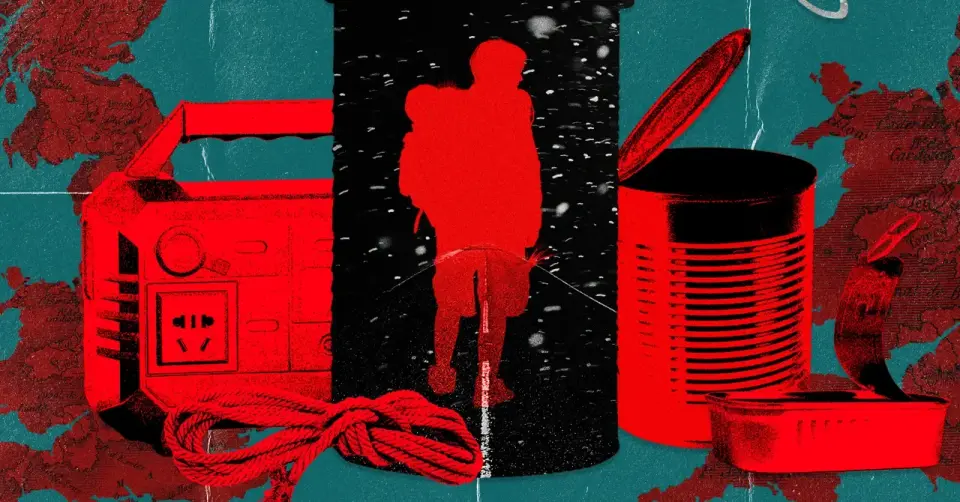
The UK government’s 'Be Ready' campaign, launched in October 2026, has significantly boosted public interest in emergency preparedness. A YouGov survey indicates that 30% of Britons now maintain an emergency stockpile, with 23% purchasing supplies in the past month. While the initiative has normalized prepping for severe weather and infrastructure failures, critics and polling data highlight that 29% of parents struggle to afford the recommended three-day supply, raising questions about equity and government responsibility.
Key points
- The Cabinet Office launched the 'Be Ready' campaign on October 22, 2026, advising households to store three days’ worth of water, food, and essentials to prepare for disruptions in power, water, and internet services.
- A YouGov survey of 2,021 adults found that 92% of Britons are aware of the campaign. Approximately 30% of the population now has an emergency stockpile, with 23% having purchased items in the last month.
- Common stockpile items include long-lasting food (90% of stockpilers), bottled water (83%), torches (75%), and batteries (75%). Radios are the least common item, held by only 37% of stockpilers.
- The Independent reports that 29% of parents with children under 18 would struggle to afford the recommended supplies, a figure rising to 45% for those earning less than £25,000 annually.
- Prepper communities report a shift toward 'normal person preppers' who focus on basic resilience rather than extreme survivalism, though some note hostility and death threats from those who view prepping as fearmongering.
Background
The UK government’s push for household preparedness follows a period of heightened awareness regarding infrastructure vulnerabilities. In November 2026, the 'Be Ready' initiative marked a formal state endorsement of individual resilience, moving away from the previous norm where prepping was largely viewed as a fringe activity. This shift coincides with broader concerns about climate instability, including El Niño effects and cyberattacks on supply chains, which have made short-term disruptions to essential services more likely. The campaign represents a strategic pivot to encourage proactive household planning, distinct from earlier emergency responses that focused primarily on state-led relief efforts.
How outlets are covering it
WIRED emphasizes the cultural shift, noting that the government’s advice has 'broken normalcy bias' and legitimized prepping for mainstream households, particularly those focused on practical resilience rather than doomsday scenarios. The outlet highlights the community-minded nature of UK preppers, who often plan to stay home and rely on neighbors, contrasting with the US 'bug out' culture. YouGov provides quantitative data, confirming a broad uptake of the advice, with older demographics showing higher participation rates. The Independent offers a critical perspective, focusing on economic barriers; it cites Parents for Future to argue that the government should prioritize national food security over individual stockpiling, as many low-income families cannot afford the recommended supplies. While WIRED and YouGov frame the campaign as a successful normalization of preparedness, The Independent frames it as a potential exacerbation of inequality, suggesting that the state bears the primary responsibility for safeguarding food and water supplies.
Why it matters
The 'Be Ready' campaign signals a fundamental shift in the UK’s approach to civil resilience, moving responsibility for emergency preparedness from the state to the individual. This has immediate implications for consumer behavior, driving a surge in sales of essential goods and altering public expectations regarding government support during crises. However, the affordability gap highlighted by polling data suggests that without state intervention or subsidies, the campaign may inadvertently deepen social inequalities, leaving vulnerable households less prepared for the very climate and infrastructure disruptions the campaign aims to mitigate. This dynamic could influence future policy debates on food security, social safety nets, and the role of the state in managing climate-related risks.
What to watch
The 'Be Ready' campaign is the first stage of a three-year initiative, suggesting further government communications and potentially expanded guidance in the coming months. Retailers are expected to continue reporting increased sales of emergency supplies as the campaign gains traction. Policymakers may face pressure to address affordability concerns, potentially leading to discussions about subsidies for emergency kits or broader national food security strategies. Prepper communities may continue to expand, with a focus on community-based resilience and neighborhood cooperation, while debates over the effectiveness and equity of individual preparedness measures are likely to persist in public discourse.
- The British Government is Turning Everyone Into a Prepper WIRED
- Preparing for Doomsday: UK Scrambles to Be Ready for Crisis Bloomberg.com
- Spooked by hackers and heat waves, the British become proper preppers The Washington Post
- Three in ten Britons have an emergency stockpile YouGov
- Third of UK parents would ‘struggle to afford stockpiling for emergencies’ The Independent
Want the full story? Read the original reporting
Read on WIRED