Tag

Food Security

All articles tagged with #food security

EU Transit Blockade Threatens Ukraine’s 2027 Harvest as Poland and Romania Refuse Aid
geopolitics5 days ago

EU Transit Blockade Threatens Ukraine’s 2027 Harvest as Poland and Romania Refuse Aid

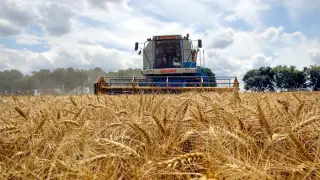
Ukraine’s agriculture minister, Taras Vysotskyi, appealed to Brussels for €1.1 billion in subsidies and expanded transit routes to move grain trapped by the Black Sea blockade. Poland and Romania rejected the request, citing overloaded infrastructure and the need to protect domestic farmers. Vysotskyi warned that without aid, Ukraine’s sown area could shrink by 35-40% next year, potentially triggering a global food crisis.

UK Fishermen Demand Fuel Subsidies as Rising Costs Threaten Industry Viability
economy13 days ago

UK Fishermen Demand Fuel Subsidies as Rising Costs Threaten Industry Viability

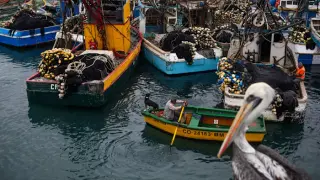
Fishermen in South West England are urging the UK government to provide direct fuel subsidies, warning that soaring costs are forcing them out of business. While the government points to existing duty relief and a long-term development fund, industry leaders argue these measures do not address the immediate crisis. The debate highlights tensions over food security and the perceived disparity between support for UK and EU fleets.

Grain Gate: How a Black Sea Blockade Could Shock Global Food Markets
world19 days ago

Grain Gate: How a Black Sea Blockade Could Shock Global Food Markets

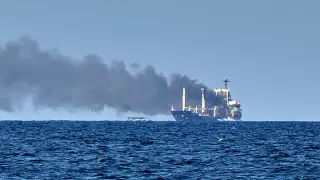
A Black Sea grain blockade tied to the Russia–Ukraine conflict threatens a global food-security shock, since Russia and Ukraine together account for a large share of world wheat and other grain trade. With ports attacked and routes blocked, shipments are diverted at higher cost or canceled, raising prices for bread and edible oils and stressing storage in Ukraine. Nations are seeking alternative routes and suppliers (e.g., Bulgaria, France, the Baltic region), but replacements are costly and slow, leaving import-heavy countries facing inflation risk even if Hormuz-like tensions ease.

Black Sea Blockade Sparks Global Food Shock Risks and Migration Pressure
world1 month ago

Black Sea Blockade Sparks Global Food Shock Risks and Migration Pressure

Renewed Russian strikes on Ukrainian ports have deepened the Black Sea blockade, threatening global grain supplies, raising food prices and renewing fears of a migration wave toward Europe. EU foreign ministers pressed for an immediate ceasefire, while Kyiv warned that alternative routes can’t fully replace sea shipments, risking Ukraine’s revenues and widening a funding gap as Brussels considers financing tweaks and asset use to stabilize markets.

Desalination Shutdown Threatens Israel's Harvest Ahead of Holidays
israel-news1 month ago

Desalination Shutdown Threatens Israel's Harvest Ahead of Holidays

Israel faces crop losses and food-security risk as most desalination facilities were shut down due to turbid seawater. Authorities are boosting pumping from wells and the Sea of Galilee and have approved two additional desalination plants to keep household water flowing, while the Agriculture Ministry coordinates aid for at-risk farms in the South. The Israel Farmers Federation is demanding immediate government compensation and action as areas like Nitzana could lose tens of thousands of dunams of crops ahead of the High Holy Days. The situation echoes prior State Comptroller warnings about desalination management and cybersecurity readiness, and separate Bedouin-water outages are being addressed with tankers.

Black Sea disruptions push global grain prices to multi-year highs
world1 month ago

Black Sea disruptions push global grain prices to multi-year highs

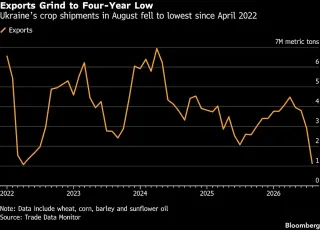
Grain prices jumped to near three-year highs as Russia and Ukraine’s strikes on Black Sea ports and shipping disrupt exports, threatening a large global supply shortfall (up to about 86 million tonnes, ~17% of world cereal exports). Ukraine’s exports are down about 75% year-on-year this month, with Russia’s also slipping; alternative routes via rail and the Danube can only partly compensate. Analysts warn global food prices could rise around 11.8% this year and 4.8% in 2027, and some say the market underprices sustained disruption.

Grain at stake: Black Sea blockade endangers Ukraine harvest and global food security
world1 month ago

Grain at stake: Black Sea blockade endangers Ukraine harvest and global food security

Russia’s renewed Black Sea blockade of Ukrainian ports threatens Ukraine’s 2026–27 grain harvest (exports could drop from ~60 million tonnes to ~38–40 million) and risks global food security as more than 50 Ukrainian cargo ships have been attacked since June. Ukraine is pursuing alternatives via Poland, Romania (Constanța), Hungary, and Moldova (600,000 tonnes transit), but rail/road transport is costlier and Danube water levels complicate shipments. Russia’s own grain exports could fall by more than half in August, adding pressure to global markets and highlighting the geopolitical leverage of food should a truce fail to materialize.

Russia escalates strikes across Ukraine, targeting Odesa as food-security fears rise
world2 months ago

Russia escalates strikes across Ukraine, targeting Odesa as food-security fears rise

Russia carried out a multi-front assault: in Kharkiv an overnight attack hit a high-rise, killing two people and wounding at least 21; in Kherson a 61-year-old woman was killed in Berislavsky district; Pavlohrad near a shopping mall saw nine wounded, including four children. In Odesa, missiles and more than 200 Shahed drones damaged residential buildings and the port while striking energy infrastructure; repair work was underway and eight people were injured. Zelenskyy tied the strikes to a broader effort to disrupt global grain exports from Odesa, accusing Moscow of harming world food security.

El Niño Threat: Crops, Prices and Food Security in the Balance
business2 months ago

El Niño Threat: Crops, Prices and Food Security in the Balance

A strengthening El Niño threatens to disrupt production of major agricultural commodities, lifting coffee and cocoa prices and risking global food shortages and inflation as fertiliser constraints and weather extremes bite across key growing regions. Analysts warn the shock could trigger further price volatility and export restrictions, with potential broader impacts on the world economy and food security for vulnerable populations.

El Niño Forecasts Push Toward Unprecedented Heat, Sparking Food-Security Fears
science2 months ago

El Niño Forecasts Push Toward Unprecedented Heat, Sparking Food-Security Fears

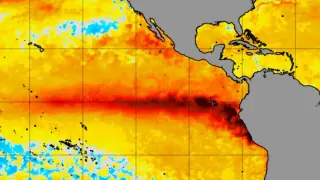
ECMWF models project a record-strength El Niño peaking this December, potentially pushing temperatures more than 4°C above average and already surpassing prior events in the Pacific; NOAA data shows unusually warm Niño-3.4 conditions and record subsurface heat. The forecasted strength could intensify global heat and extreme weather, and the UN World Food Programme warns it may push tens of millions more people into acute food insecurity by 2027, though such extreme forecasts are unprecedented and not yet validated by historical ensembles.

Iran’s breadline widens as theft reports highlight a worsening inflation crisis
world2 months ago

Iran’s breadline widens as theft reports highlight a worsening inflation crisis

Reports of shoppers concealing food items and even eating products in stores, tied to soaring inflation and a collapsing rial, point to an escalating food-security crisis in Iran. Experts say such anecdotes align with official macro data showing food inflation well over 110% in March 2026, a sharp currency depreciation, and eroding purchasing power, potentially fueling protests even as authorities tighten controls. The regime acknowledges difficulties but stresses resilience, with analysts warning economic desperation could become a trigger for unrest rather than immediate political change.

El Niño Could Push 50 Million More People Into Acute Hunger, WFP Warns
world2 months ago

El Niño Could Push 50 Million More People Into Acute Hunger, WFP Warns

UN agency WFP warns that a developing El Niño could push about 50 million more people into acute hunger by the end of next year, on top of the 225 million already in crisis, with the worst impacts in Central/South America, the Caribbean and southern Africa and rainfall shortfalls in parts of Asia. If strongest in seven decades, the event—amplified by climate change—could raise food prices and deepen lean seasons; the WFP is using anticipatory relief funded around $80 million, but data gaps and potential price shocks complicate aid as regional harvests and export decisions influence outcomes.

Healthy eating out of reach for billions, UN warns
global-development2 months ago

Healthy eating out of reach for billions, UN warns

A joint UN report warns that 2.69 billion people cannot afford a healthy diet, with such diets costing about 4.28 PPP dollars per person per day. Despite global hunger dipping to 7.8% in 2025, affordability remains extremely high, and Africa now has the most hungry people (about 309 million, surpassing Asia’s 292 million). The report urges major policy shifts—investing in infrastructure and supply chains, promoting diverse diets including fruits and vegetables, and addressing rising obesity tied to less varied diets—to reduce costs and improve nutrition.

Black Sea grain lifeline at risk as Russia escalates strikes
world2 months ago

Black Sea grain lifeline at risk as Russia escalates strikes

Russian drone and missile strikes on Ukraine’s Black Sea ports, notably Odesa, have reduced storage capacity, deterred ships, and disrupted grain shipments, threatening Ukraine’s export revenue and tightening global wheat supply as traders eye Danube routes and higher war-risk insurance costs; wheat futures surged as market expectations shift to a longer disruption of Black Sea exports.

Canada unveils a $3.2B plan to strengthen domestic food supply after Trump remarks
world3 months ago

Canada unveils a $3.2B plan to strengthen domestic food supply after Trump remarks

Canada announced a $3.2 billion food-security strategy to reduce reliance on foreign supply and shield households from shocks by boosting domestic production, expanding year-round fruits and vegetables, increasing competition in the sector, and streamlining regulations. The plan includes about $1 billion for new food terminals and distribution hubs to help independent grocers, nearly $130 million to enforce anti-competitive practices, and more than $1 billion in financing and grants to help producers and processors scale up and modernize. The approach aims to strengthen Canada’s supply chains amid inflation and global tensions, though experts caution it may not automatically lower grocery prices.