
Global Households Adopt Emergency Stockpiling Amid UK’s New Crisis Guidance
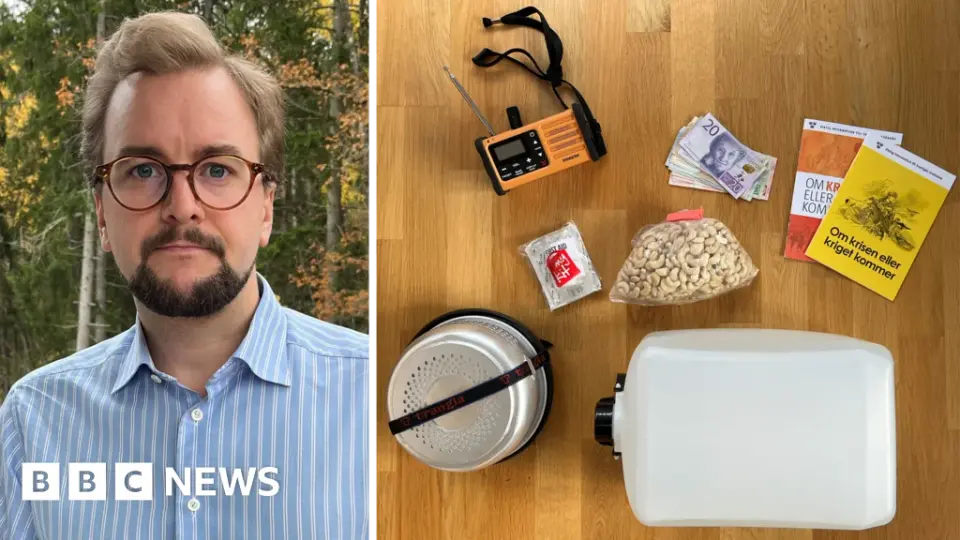
UK government advice to stockpile three days of supplies triggered a 40% spike in tinned food sales and sold-out radios. While this is new for Britain, similar preparedness measures are standard in Sweden, Japan, and the US. Experts emphasize practical items like water, first aid kits, and offline communication tools, noting that preparedness reduces strain on emergency services during crises.
Key points
- UK supermarket sales of tinned food rose by 40% and wind-up radios sold out following government advice to stockpile essentials for three days.
- Sweden posts government crisis booklets to every household, prompting citizens like Andreas Wennerberg to store water, cash, and radios.
- In the US, individuals like Dan C in Maryland invest up to $6,000 in water, food, and solar power, citing past power outages and parental responsibility.
- Japan’s Ayumi T updates emergency kits annually after the 2024 Noto Peninsula earthquake, following a 68-page local disaster guide.
- The Netherlands launched a late-2025 campaign advising households to hold 72 hours of supplies, mirroring recent UK guidance.
Background
This trend follows a period of heightened climate and geopolitical anxiety. In September 2026, California declared a state of emergency ahead of a record-breaking El Niño, while global concerns over cyber-attacks and conflicts in Ukraine and the Middle East have intensified public focus on resilience. The UK’s 2024 guidance received little attention, but 2026’s advice coincided with severe winter storms and a scorching summer, making the message more urgent.
How outlets are covering it
BBC highlights individual stories, showing varied levels of commitment from minimal stockpiles to extensive off-grid setups. Financial Times notes the social divide, suggesting that wealthier households with space and solar panels are better positioned to prepare, while others face logistical barriers. The Guardian focuses on expert advice, recommending specific items like wool blankets, water filters, and first aid kits, while stressing that preparedness is a routine responsibility rather than panic-driven behavior. All sources agree that the UK’s recent guidance has been more effective than previous attempts, likely due to timely context.
Why it matters
The surge in emergency preparedness reflects a shift in public mindset toward self-reliance in the face of climate and geopolitical risks. It highlights the importance of government communication in driving behavioral change and underscores the economic and social inequalities in disaster resilience. As extreme weather and global instability persist, widespread stockpiling may become a norm, reducing pressure on emergency services and enhancing community resilience.
What to watch
Monitor whether the spike in emergency supply sales sustains or fades. Watch for further government campaigns in the UK and other nations to reinforce preparedness. Track retail availability of key items like radios and water purification tablets, which may face shortages. Observe if local authorities provide additional guidance or resources to support households in implementing these measures.
- How to prepare for an emergency: What households in different countries stock up on BBC
- The age of prepping is here Financial Times
- Buy a wind-up radio – and don’t forget the chocolate: survival experts on how to prepare for an emergency The Guardian
- Stockpile Food, Water And Medicines: Why Governments Across Europe Are Preparing Citizens For Emergencies Northeastern University
- Map Shows Nations Urging People to Stockpile Food as France Issues Warning Newsweek
Want the full story? Read the original reporting
Read on BBC