
US Weighs New Iran Strikes Amid Depleted Munitions and Escalation Risks
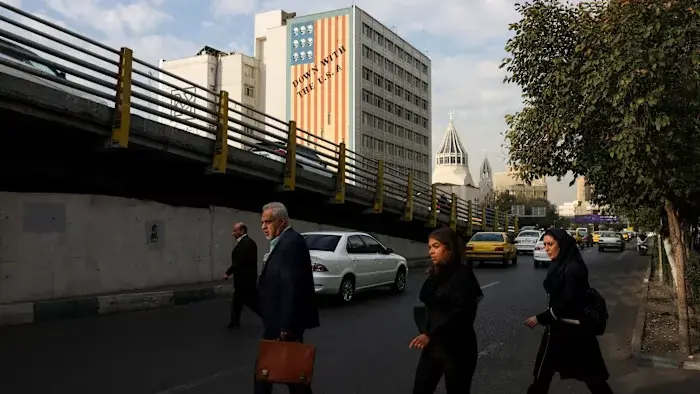
Donald Trump and Benjamin Netanyahu are threatening renewed strikes on Iran ahead of US midterms, but military experts warn that previous goals remain unmet. Options range from limited maritime strikes to massive attacks on nuclear sites, though the US faces depleted interceptor stocks and high risks of regional escalation.
Key points
- Trump claims the previous war failed to secure Iranian commitments or dismantle its nuclear program, prompting threats of a new 'Epic Fury' campaign.
- Former Centcom commander Joseph Votel suggests limited 'mowing-the-lawn' strikes on coastal defenses are low-risk but easily rebuilt by Iran.
- The US considers using the massive ordnance air blast bomb against the deeply buried Pickaxe Mountain facility, though this requires risky C-130 cargo plane deliveries.
- US stockpiles of Patriot and Thaad interceptors have dropped significantly, with some munitions taking years to replenish, raising concerns for potential conflicts with China.
- Iran has threatened to target seabed cables, Gulf energy infrastructure, and US bases in Europe, including in Bulgaria, in response to any new assault.
Background
This tension follows a 12-day war in June 2025 and recent incidents in the Strait of Hormuz, including a supertanker fire from a naval mine. Iran’s Supreme Leader Mojtaba Khamenei recently ordered unrestricted military responses, while diplomatic efforts by Qatar and Saudi Arabia attempt to de-escalate tensions amidst rising global energy prices.
How outlets are covering it
The Financial Times highlights the strategic dilemma of limited versus expansive strikes, noting that while Israel pushes for heavy bombardment to collapse the regime, analysts doubt air power alone can achieve this. The Center for Ethics and the Rule of Law, citing Votel, views current threats as evidence of successful financial pressure on Iran, suggesting negotiations are ultimately required. In contrast, Sabaq News emphasizes internal Iranian power struggles, with former Mossad official Oded Ellam suggesting Israel might target military leaders like Ahmad Vahidi, while retired General Jack Keane advocates for strikes on energy and missile sites. Democratic lawmakers warn that escalation could mirror the costly Iraq and Afghanistan wars, whereas Republicans predict a quick post-election resolution.
Why it matters
A renewed conflict could devastate global energy markets through attacks on Gulf infrastructure and disrupt critical seabed cables. The US faces a critical shortage of defensive interceptors, potentially leaving it vulnerable to asymmetric attacks by Iranian proxies and limiting its ability to respond to other global threats, such as in the Pacific.
What to watch
Watch for the movement of the USS Theodore Roosevelt carrier to the region and any announcements from the White House regarding specific strike objectives. Monitor Iranian retaliation in the Strait of Hormuz and potential attacks on European US bases, as well as the outcome of post-midterm diplomatic efforts led by regional mediators.
- Military briefing: what would another US-Iran conflict look like? Financial Times
- Israel Could Unleash Hezbollah-Style Pager Attack on Iran Leaders Yahoo
- Middle East threats show success of American efforts Center for Ethics and the Rule of Law
- Israel Hints at Targeting Iranian Leaders with 'Pager' Style Amid Internal Regime Disputes and Regional Escalation Threats صحيفة سبق الإلكترونية
Want the full story? Read the original reporting
Read on Financial Times