
Senate SCREEN Act Proposes Sweeping Age Verification for All Online Content
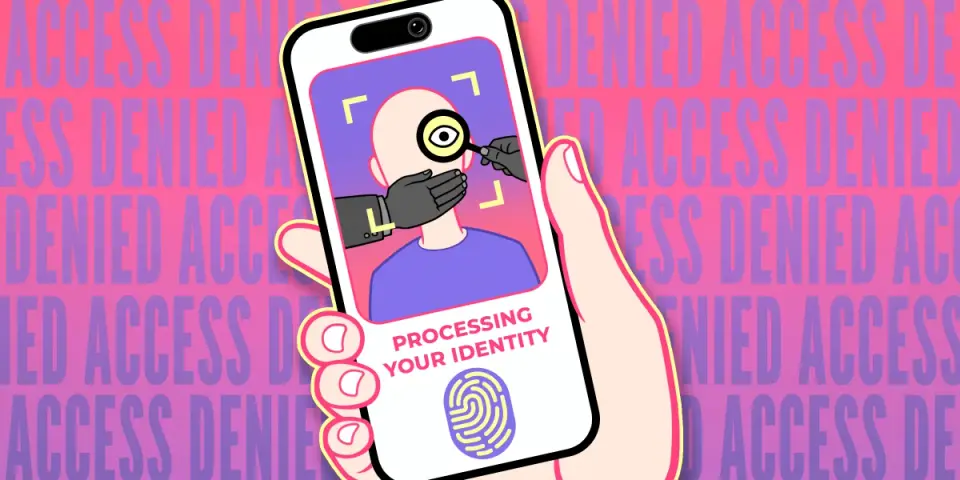
The Senate Commerce Committee is set to review S. 737, the SCREEN Act, which would mandate strict age verification for any website hosting sexually explicit content. Unlike state laws that target specific adult sites, this federal bill applies to mainstream platforms like Netflix, Reddit, and Discord if they host any such material. The legislation rejects simple self-attestation, requiring third-party verification that captures personal data, potentially including biometric scans. Critics warn this creates massive privacy risks, while supporters argue it is necessary to protect minors from harmful content.
Key points
- S. 737, the SCREEN Act, requires age verification for any service hosting even a single piece of sexually explicit content, affecting major platforms beyond adult sites.
- The bill prohibits simple age attestations, forcing platforms to use third-party services that collect and store personal data, including potential biometric information.
- The legislation targets VPN usage by requiring age verification based on IP addresses, discouraging privacy tools used by millions of users.
- Data security concerns are high, as third-party verifiers could retain sensitive user data indefinitely, creating targets for hackers.
- Facial age estimation is becoming a common compliance tool, though it raises significant privacy and First Amendment concerns regarding anonymity.
Background
This development follows a trend of state-level age verification laws and federal efforts to protect minors online. In 2025, the FTC amended the Children's Online Privacy Protection Rule, and the Senate passed the Children and Teens' Online Privacy Protection Act, which restricts targeted advertising to minors but does not mandate age verification. California’s Digital Age Assurance Act, effective in 2027, is also pushing for stricter age assurance. These moves reflect a broader legislative push to address youth mental health and online safety, often at the expense of user privacy.
How outlets are covering it
The Electronic Frontier Foundation (EFF) argues the SCREEN Act is a privacy nightmare that forces adults to surrender anonymity and personal data, with weak protections against data retention. They highlight the bill's impact on VPN users and mainstream platforms. In contrast, KTAR News 92.3 FM presents a balanced view, acknowledging the goal of protecting children but warning that advanced verification methods create new privacy risks and that users should scrutinize third-party services. The Reason Foundation criticizes the shift toward biometric facial scans, arguing that while these tools may help platforms comply with youth safety laws, they lower the baseline of privacy and create long-lived surveillance risks. Legis1 notes that while some federal laws have been challenged on free speech grounds, the push for age verification continues, with methods like facial estimation facing technical limitations and privacy concerns. The sources differ in their emphasis: EFF and Reason Foundation focus on the invasive nature of the proposed measures, while KTAR and Legis1 provide a more neutral overview of the methods and their limitations.
Why it matters
The SCREEN Act could fundamentally change how adults access the internet, requiring them to prove their age before accessing mainstream platforms. This shift could normalize the collection of sensitive personal data, including biometric information, and reduce online anonymity. It also raises significant data security risks, as third-party verification services could become targets for hackers. The bill's impact on VPN usage could further erode privacy for users who rely on these tools for security. Ultimately, the SCREEN Act represents a major step in the ongoing debate between protecting minors online and preserving adult privacy and free speech.
What to watch
The Senate Commerce Committee will consider S. 737, the SCREEN Act, in the coming weeks. If passed, the bill would require platforms to implement age verification systems, potentially leading to widespread adoption of biometric scans and third-party verification services. Companies may also choose to block access in certain states rather than comply with the new requirements. Privacy advocates and civil rights groups are likely to challenge the bill in court, citing First Amendment and privacy concerns. The outcome of this legislative process will have significant implications for online privacy and the future of age verification in the United States.
- The SCREEN Act Threatens Privacy Far Beyond Adult Websites Electronic Frontier Foundation
- Age verification online: Is it safe? KTAR News 92.3 FM
- Protecting teens online shouldn’t require mandatory facial scans for digital users Reason Foundation
- Online Age Verification Methods Face Privacy Limitations Legis1
Want the full story? Read the original reporting
Read on Electronic Frontier Foundation