
Cologne Police Investigate Livestreamed Robot Assault as Critics Call Coverage Lazy
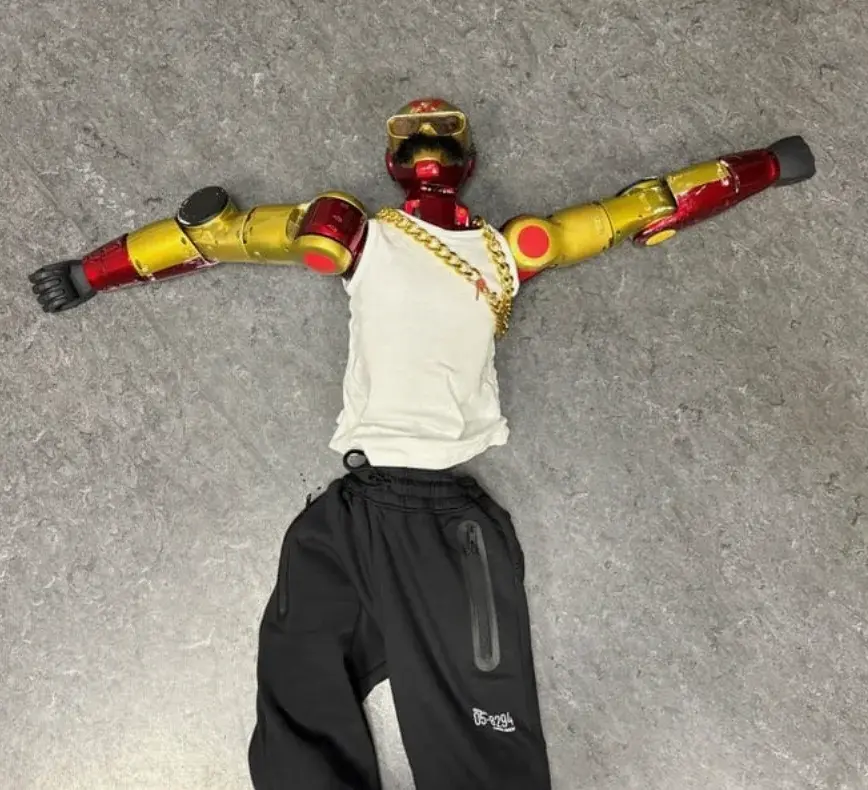
German authorities are investigating two young men after a humanoid robot allegedly groped a 16-year-old girl in Cologne. The incident occurred during a livestream by streamer Agaamuza, who used a commercially available Unitree R1 robot to harass pedestrians. While police seized the device and suspect phones, critics argue that English-language media outlets failed to identify the robot as a standard consumer product, instead treating it as a mysterious new threat. The case highlights existing legal gaps in prosecuting machine-mediated harassment, as German laws typically require direct human contact for sexual assault charges.
Key points
- Cologne police seized a Unitree R1 humanoid robot and two mobile phones following an incident on October 11 where the device allegedly touched a 16-year-old girl's buttocks and performed thrusting movements.
- The suspects, aged 16 and 19, are believed to have livestreamed the event on Twitch under the persona 'Ahmad the Robot,' a character they had been using for weeks to film public reactions.
- The robot is a commercially available Unitree R1 model, costing between $4,900 and $5,900, which is widely used for entertainment and stunts rather than being a specialized surveillance or harassment device.
- Legal experts note that German sexual harassment statutes generally require direct human-to-human contact, creating a prosecutorial challenge for machine-mediated offenses.
- Critics of the media coverage argue that major outlets like CNN and BBC relied too heavily on police statements that described the robot as 'unusual,' failing to identify the device through basic internet research.
Background
This incident follows a pattern of public harassment via livestreaming that has been documented in previous years, often involving smart glasses or other recording devices. Our archive from October 14 and 15 noted that German authorities faced legal hurdles in prosecuting the suspects because current laws do not explicitly cover machine-to-human sexual harassment. The earlier reports also confirmed the suspects' ages and the seizure of the 120cm tall device, which was dressed in a white vest and gold chain. The current development adds detail regarding the specific commercial origin of the robot and the broader cultural context of 'prank' streaming in Germany.
Why it matters
The case exposes a gap in legal frameworks regarding technology-mediated harassment and highlights the tendency of mainstream media to treat common consumer technology as novel threats. It also underscores the ongoing issue of public harassment through livestreaming, where perpetrators often face minimal consequences unless authorities actively intervene. The incident serves as a test case for how law enforcement and legal systems will adapt to crimes committed via autonomous or remotely controlled devices.
What to watch
Investigators will determine whether the robot was remotely controlled or acting autonomously, a distinction that will likely dictate the legal charges applied. The suspects may face charges related to sexual harassment or defamation, depending on the evidence gathered from the seized phones and the robot's operational logs. Twitch has temporarily suspended the streamer's channel, but the incident has already generated significant viral content across social media platforms.
Want the full story? Read the original reporting
Read on 404 Media