
Activists breach Microsoft data center site in Amsterdam amid anti-AI protests
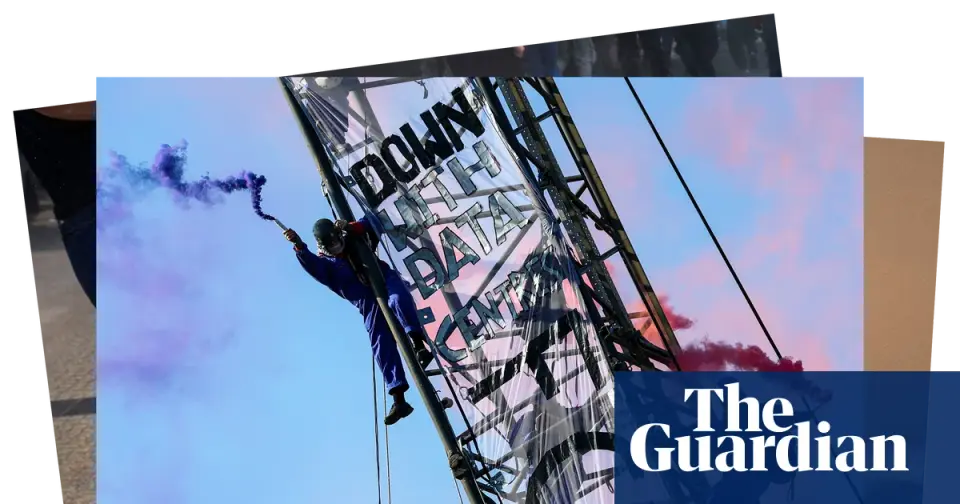
On November 6, 2026, members of the Dutch activist group Geef Tegengas breached the construction site of a new Microsoft data center in Amsterdam. Approximately 100 protesters scaled fences and a crane, displaying banners with anti-AI slogans and chanting against Microsoft’s role in surveillance and military operations. The incident highlights growing public backlash against data center expansion, which critics link to environmental strain and AI ethics. Microsoft acknowledged the demonstration but condemned unlawful actions, while the project proceeds despite a city-wide ban on new data centers until 2030.
Key points
- Geef Tegengas organized the protest, claiming hundreds of supporters blocked construction at the Westpoort Amsterdam site.
- Protesters scaled a crane to unfurl a banner reading 'fuck AI' and another stating 'Microsoft powers genocide.'
- The group criticized the project for straining the power grid, consuming drinking water, and facilitating surveillance.
- Microsoft stated it respects peaceful expression but does not condone unlawful actions or risks to safety.
- The construction is proceeding despite Amsterdam’s ban on new data centers until 2030, with Microsoft as the sole tenant.
Background
This incident follows a broader wave of data center protests, including a mock Israeli military checkpoint at a Microsoft facility in Dublin earlier in the week. In June 2026, Geef Tegengas activists previously targeted the same Amsterdam site, temporarily halting work. The project, developed by Pure Data Centres, has navigated regulatory loopholes to reach the construction stage despite local opposition and a 2023 temporary stop.
How outlets are covering it
The Guardian provided visual documentation of the protest, focusing on the scale of the demonstration and the use of flares. Business Insider detailed the activists’ specific grievances, including water usage and the project’s impact on the power grid, while noting police fears of chemical damage to the site. The Verge emphasized the political context, highlighting that the project proceeds despite a city ban and noting the connection to broader anti-surveillance and pro-Palestine sentiments within the tech industry. All three sources agree on the core facts of the breach but differ in emphasis: The Guardian on imagery, Business Insider on environmental and economic impacts, and The Verge on regulatory and geopolitical implications.
Why it matters
The protest underscores escalating tensions between tech corporations and local communities over the environmental and social costs of AI infrastructure. It highlights the challenges of enforcing local bans on data centers and the growing public resistance to the expansion of AI capabilities, particularly when linked to surveillance and military applications. The incident may influence future regulatory decisions and corporate strategies regarding data center development in urban areas.
What to watch
Microsoft has stated its commitment to safety and legality, but the project is expected to continue as planned. Authorities may investigate potential damage to the construction site, and further protests could occur as the data center nears completion. The incident may also prompt renewed debate in Amsterdam and other cities about the balance between technological advancement and community welfare.
- Datacentre protest and a giant statue of Pope Leo: photos of the day – Friday The Guardian
- Activists breach Microsoft data centre construction site as protests spread in Europe Reuters
- Protesters Break Into Microsoft Data Center in Amsterdam Bloomberg.com
- Anti-AI Protesters Break Into Microsoft Data Center Site in Amsterdam Business Insider
- Protesters break into Microsoft data center site in Amsterdam The Verge
Want the full story? Read the original reporting
Read on The Guardian