
French court voids under-15 social media ban, forcing Macron to pivot to spring 2027
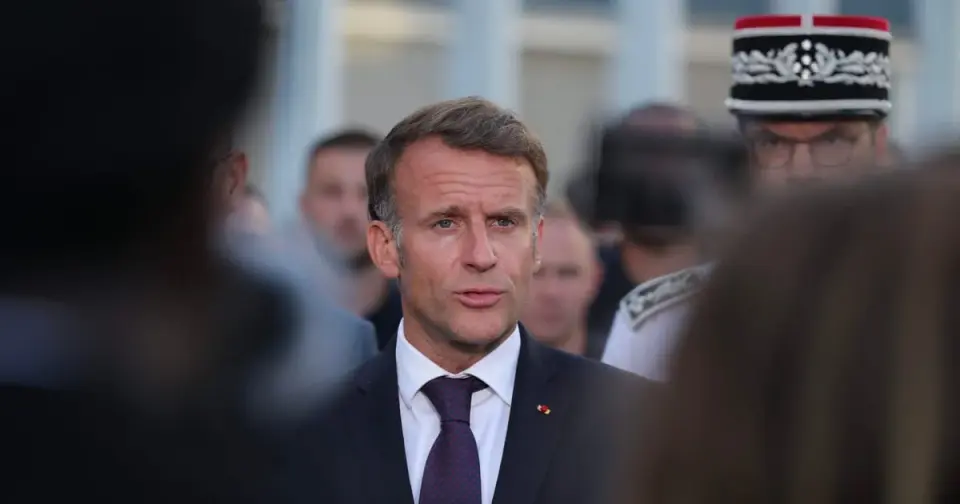
France’s Constitutional Council struck down a law banning social media for under-15s, ruling it violated freedom of expression. President Emmanuel Macron’s office confirmed the government will not abandon the policy but has set a new target date for spring 2027. The ruling requires future legislation to allow parental flexibility rather than imposing a blanket ban. This decision may impact similar proposals across the European Union, as fundamental rights are harmonized across the bloc.
Key points
- The French Constitutional Council invalidated the social media ban for minors under 15, citing disproportionate infringement on freedom of expression.
- The court ruled the blanket ban failed to distinguish between platform risks and individual minor vulnerability, lacking necessary safeguards.
- President Emmanuel Macron’s office stated the government will not abandon the policy, setting a new implementation target for spring 2027.
- The ruling suggests that future legislation must include mechanisms for parents to override restrictions based on a child’s maturity.
- Legal experts warn the decision could hinder similar national and EU-wide restrictions, as the reasoning relies on fundamental rights harmonized across the European Union.
Background
In July 2026, the French parliament approved a two-stage plan to block under-15s from creating social media accounts, with new accounts barred from September 1 and existing ones from January 2027. This followed global trends, including an Australian ban on under-16s that saw over 80% of teens circumvent restrictions within three months. The current ruling is the latest in a series of legal challenges to Macron’s digital safety agenda, which also includes a recently upheld law on assisted dying.
How outlets are covering it
Politico emphasizes the ruling as a major blow to President Macron’s flagship policy and highlights the potential impact on European Commission measures, noting that fundamental rights are harmonized across the EU. CNN’s source content was largely technical metadata and did not provide substantive editorial perspective on the ruling, though the headline confirms the court’s action. Both sources agree on the core facts of the court’s decision and the government’s response, but Politico provides deeper analysis on the legal implications for other nations like Greece and Denmark.
Why it matters
The ruling sets a precedent for how governments can regulate minors' online access without violating constitutional rights. It forces a shift from blanket bans to nuanced, parent-controlled frameworks. This could delay or reshape similar legislation across the European Union, affecting how the European Commission approaches digital safety for children. It also highlights the tension between protecting children online and preserving fundamental freedoms of expression and communication.
What to watch
The French government will work on a legally sound draft that incorporates parental flexibility, aiming for implementation by spring 2027. European Commission President Ursula von der Leyen is expected to announce bloc-wide measures in September, which may now need to align with the French court’s reasoning. Other countries like Greece and Denmark, which planned similar bans, may need to reassess their legislative approaches to avoid similar legal challenges.
- French court blocks social media ban for under 15s politico.eu
- France’s top court blocks bill banning social media for under-15s CNN
- France's top court blocks social media ban for under-15s Reuters
- World in Brief: French court blocks social-media ban; Luigi Mangione pleads guilty to federal charges The Economist
- France: Top watchdog blocks social media ban for children DW.com
Want the full story? Read the original reporting
Read on politico.eu