
US Push for Autonomous Military Robots Sparks Global Backlash
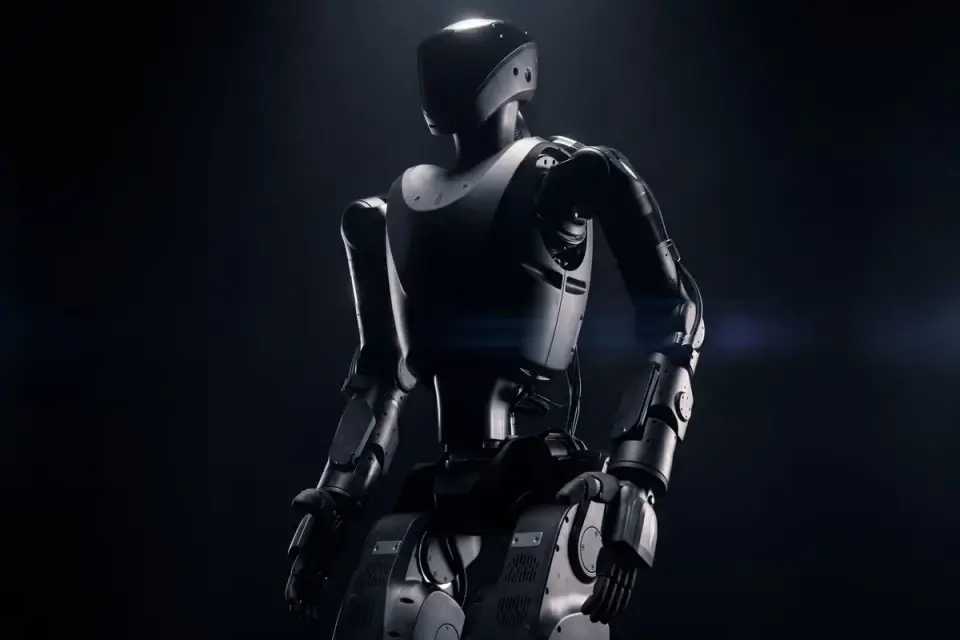
The US military is accelerating the development of autonomous armed robots, a move that has triggered intense debate between Silicon Valley proponents and global human rights advocates.
Key points
- San Francisco-based company Foundation has developed armed robots, including a model capable of loading mortars, and holds a $24 million contract with the Pentagon.
- The Trump administration is pushing to rapidly integrate AI into military operations, arguing that automation improves precision and deters adversaries like China and Russia.
- UN Secretary-General Antonio Guterres has called for an international ban on autonomous weapons, describing the technology as 'morally repugnant.'
- The Senate is debating a national security bill that would encourage the use of AI in warfare while attempting to maintain human oversight.
- Tech firms like Anthropic and OpenAI are facing pressure from the Pentagon to allow their AI models to be used in military applications, leading to internal protests and resignations.
Background
This development follows a broader trend of AI integration in defense, as noted in earlier coverage of military technology shifts. The current push contrasts with previous industry hesitancy, where many tech leaders opposed the militarization of AI. The debate echoes long-standing UN discussions on autonomous weapons, which have stalled for over a decade due to conflicting national interests.
How outlets are covering it
The Independent highlights the growing alarm among human rights experts and the ethical concerns raised by tech leaders. In contrast, the Washington Post, via Macomb Daily, emphasizes the strategic arguments from Silicon Valley founders and national security experts who view autonomous weapons as a necessary tool for precision and deterrence. While The Independent focuses on the moral repugnance of the technology, the Washington Post notes the practical reality of existing automated defense systems and the political push to remove barriers to AI adoption in the military.
Why it matters
The rapid advancement of autonomous weapons challenges existing international norms and raises critical questions about accountability in warfare. The potential for AI-driven conflict could lead to unintended escalations and ethical dilemmas, impacting global security and the future of military technology.
What to watch
The Senate is expected to finalize its national security bill, which may influence future Pentagon policies on AI. The outcome of the debate between tech firms and the military will determine the extent to which AI is integrated into autonomous weapons. International discussions at the UN may also progress, potentially leading to new regulations or bans on autonomous weapons.
- Robot soldiers are being built in America to fight tomorrow’s wars – and the alarm is growing The Independent
- Military Humanoid Robots Are Closer to Reality, California Company Says military.com
- From Drones To Nuclear Reactors To Robots: An Engineer’s Journey Yahoo Tech
- Armed robots are on the horizon, as Silicon Valley pitches new military tech macombdaily.com
- Foundation Robotics Labs, Backed by Trump Family, Targets Military Humanoid Robot Deployment Within 18 Months - EPS Surprise History po-news-eg.net
Want the full story? Read the original reporting
Read on The Independent