
EU and China Reach Historic Agreement to Halve Chinese Hybrid Car Exports
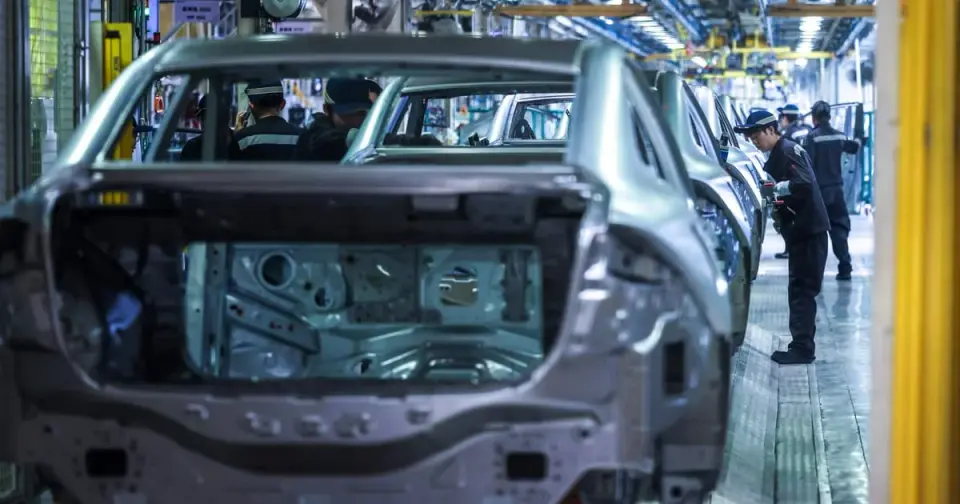
The European Union and China have finalized a deal to curb Chinese hybrid car exports, potentially preventing millions of vehicles from entering the EU market over four years. The agreement, reached after two days of talks in Beijing, includes Chinese concessions on duties for European goods and rare earth exports, aiming to rebalance the bloc's massive trade deficit.
Key points
- EU Trade Commissioner Maroš Šefčovič announced a breakthrough agreement with China to moderate exports of hybrid and plug-in hybrid vehicles to the EU.
- The deal is projected to cut Chinese hybrid car exports to the EU by more than half, preventing 'several millions' of vehicles from entering the market over the next four years.
- China agreed to lower duties on €4 billion worth of European goods, including olive oil and footwear, saving EU exporters an estimated €225 million.
- Beijing also committed to fast-tracking export licenses for rare earth elements and permanent magnets, addressing previous supply chain disruptions for European automakers.
- The agreement is described as a 'first step' in rebalancing trade, with further talks scheduled for January 2026 and March 2027 to address other sectors like chemicals and machinery.
Background
This deal follows months of escalating tensions, including a recent deadlock in October 2026 where Beijing initially rejected EU requests to limit hybrid exports. The EU had been under pressure from France and Germany to take tougher action against Chinese export surges, which had contributed to a record trade deficit of nearly €360 billion in 2025. Previous negotiations in September 2026 focused on voluntary caps or potential tariffs, but this latest agreement represents a negotiated solution that avoids immediate tit-for-tat retaliation.
Why it matters
The agreement provides critical relief for Europe's struggling automotive industry, which has faced job cuts and plant closures due to low-price Chinese competition. By securing a voluntary export cap rather than imposing tariffs, the EU avoids a potential trade war while addressing its largest trade imbalance. The deal also sets a precedent for future negotiations in other sectors, such as chemicals and medical devices, and helps stabilize supply chains for rare earth materials essential for clean energy technologies.
What to watch
Šefčovič will report the agreement to EU leaders at a summit in Brussels next week. The two sides plan to hold a video call in January 2026 and meet again in March 2026 to expand the framework to other sectors. The EU will also monitor compliance with the rare earth export licensing commitments and assess the impact of the duty reductions on European exporters.
- China says it reaches ‘understanding’ with EU on hybrid cars POLITICO.eu
- China, EU reach hybrid vehicle trade understanding, keep talks alive on EV dispute Reuters
- How Europe should deal with the new China shock The Economist
- A French-German non-paper could be a turning point in EU trade defense Atlantic Council
- ‘No more dumping, no more spying’: European Parliament hardens line on China South China Morning Post
Want the full story? Read the original reporting
Read on POLITICO.eu