
Trump’s Diesel Deal and Zelensky Ultimatum Spark Diplomatic Crisis
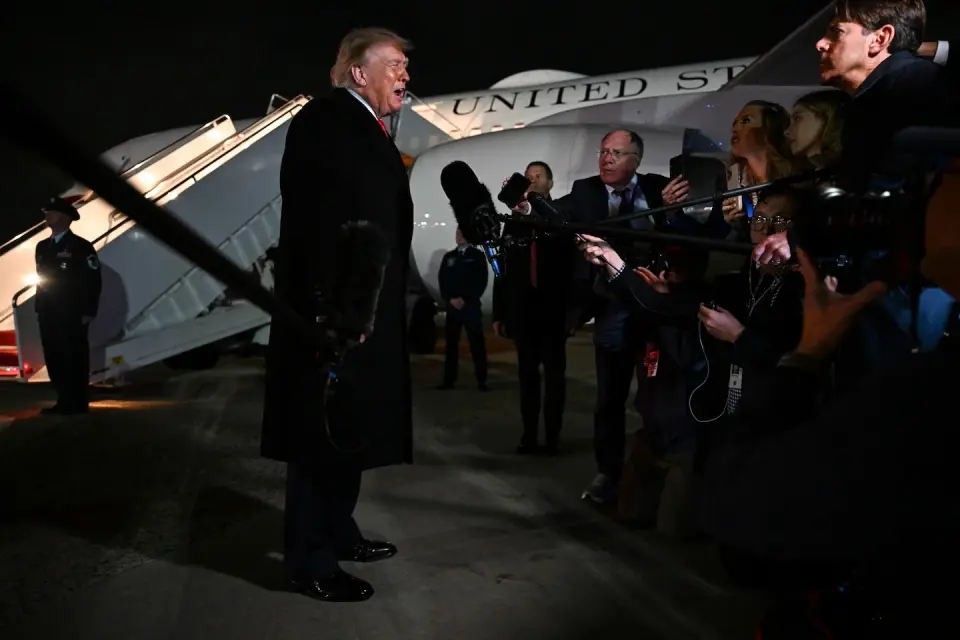
President Donald Trump faced bipartisan backlash after calling for Ukraine to replace President Volodymyr Zelensky and announcing a deal to purchase Russian diesel. Zelensky rejected the demand, stating Ukraine would halt strikes on Russian refineries only if Moscow reciprocated. The move drew criticism from European allies and U.S. lawmakers who argued the deal funds Russia’s war effort.
Key points
- Trump demanded a new Ukrainian leader, blaming Zelensky for high diesel prices and prolonged conflict.
- Zelensky offered a reciprocal ceasefire but noted Russia continued striking Ukrainian energy grids.
- U.S. Republicans and European allies criticized the diesel deal, arguing it finances Moscow’s military operations.
- Ukraine launched its third drone strike on a Yandex data center in four days, widening the aerial war.
Background
This escalation follows a series of events in early October 2026, including a controversial U.S.-Russia diesel agreement and Trump’s public calls for Zelensky’s removal. Previous coverage noted that Russian strikes on Zaporizhzhia killed at least 20 people shortly after the deal was announced, while UK officials rejected the arrangement as funding the war effort.
How outlets are covering it
The Washington Post and Politico emphasized the domestic political fallout, noting that several Republican lawmakers objected to the diesel deal and expressed support for Zelensky. The New York Times highlighted Zelensky’s defiant response, framing it as a rejection of U.S. pressure. CNBC focused on the military dimension, detailing Ukraine’s continued strikes on Russian infrastructure, including a third hit on Yandex facilities in four days. All sources agreed that the diesel deal was viewed by allies as counterproductive, though they differed on the immediate impact on global fuel prices.
Why it matters
The confrontation threatens to fracture U.S.-Ukraine relations and undermine Western unity against Russia. If the diesel deal proceeds, it could provide Moscow with critical revenue, potentially prolonging the conflict and destabilizing global energy markets ahead of U.S. midterm elections.
What to watch
Zelensky is awaiting details from the U.S. regarding the proposed energy ceasefire. European leaders are expected to continue opposing the diesel deal, while U.S. lawmakers may pursue legislative action to block the agreement. The situation remains volatile as Russian strikes on Ukrainian infrastructure continue.
- Trump’s Zelensky attack, Russia diesel deal draw criticism in U.S. and abroad The Washington Post
- Trump Told Ukrainians to ‘Get a New President.’ Ukraine Shrugged. The New York Times
- Kyiv pushes back on Trump’s call for a new Ukrainian president as drones hit Russian data hub CNBC
- Trump says Zelenskyy ‘better damn well stop' attacks on Russian oil refineries, calls for new Ukrainian leader Politico
- Germany rejects Trump demand, 'fully supports' Zelenskyy DW.com
Want the full story? Read the original reporting
Read on The Washington Post